SMC PENTAX 1:2.8 24mm Tested and a little compared.

Time for another post! I believe I mentioned in my last one that I was going to be testing this one next, but if you missed it, here it is.
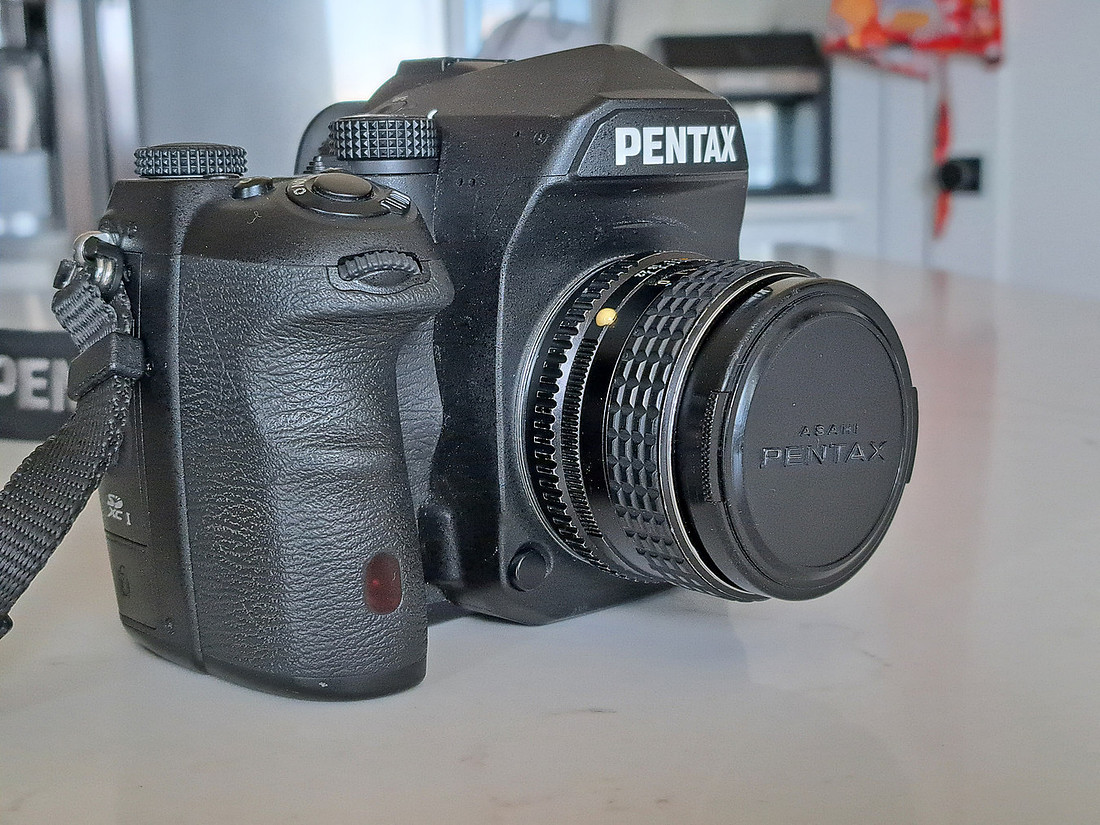
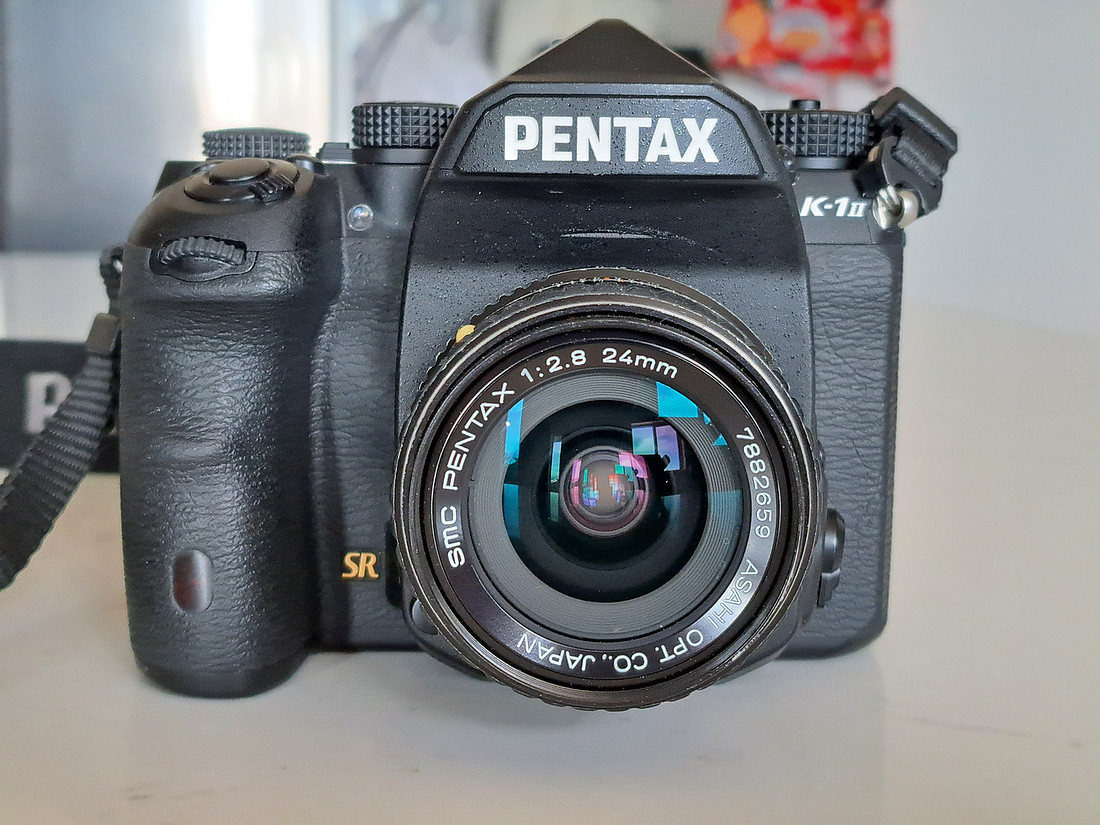
The SMC PENTAX 1:2.8 24mm on my full frame Pentax K1 mii.
This is an old full frame manual focus lens, from the same series as my other old Pentax Lenses. You can read more about it here if you wish: https://www.pentaxforums.com/lensreviews/SMC-Pentax-K-24mm-F2.8-Lens.html
My history with this lens, is murky as I cannot remember where I bought it, I am pretty sure I got it off ebay many years ago, but I really cannot recall. It may have been off one of the photography forums... hmmmm... Anyway, I have it, really liked it on APS-c (Pentax K-5) where it was less extreme wide angle and more medium wide and used the sharper center of the lens cropping out the edges. It is quite sharp wide open at f2.8 and I used it a fair amount as a walk around lens equivalent to 36mm on full frame.
It is quite compact and easy to carry around, not unduly heavy at all. Like the rest of the K series (first Pentax lenses with bayonet mounts instead of screwing onto the camera) this lens is built of metal, no plastic, and is a solid chunk. The focus ring moves with the right amount of dampening and it is a tactile pleasure to use.
The field of view is quite wide on full frame, not as extreme as some of my other lenses like my 15-30, but for it's time it was pretty wide. That will be a theme as we get into the end of the review, should you stick around that long. "For it's time" it was a good lens, the early 70's was a time where lens quality was really REALLY good for some lenses and focal lengths, like 50mm, there are many 1950's lenses in that focal length that are still really quite good. 35mm and 28mm were getting better designs, but wider than that there was less quality and fewer lenses. The 70's and into the 80's saw the increasing use of computers to enhance optical designs and as time has gone on, lenses have gotten sharper, or faster with f1.8 or even f1.4 lenses in the wider focal lengths being designed in the last few years. We are truly spoiled in modern times, to have lenses that are fast, sharp and optically excellent. There is something to be said for older lenses like these though, they are quirky and have optical performance that would be considered poor in modern testing, but that add... quirk... a feel, or just some kind of a difference that modern lenses lack. They are also easier to use on Extension Tubes and other weird gizmos that allow for closer focus. Eventually I will do a blog post on those too. Part of why I love photography is there is always something different to try.
We are going to jump into an initial dump of the photos I have taken recently then get technical at the end. Should you want to look at all of these photos and ones I didn't post here you can view my gallery here: https://www.lloydshell.com/p633889536
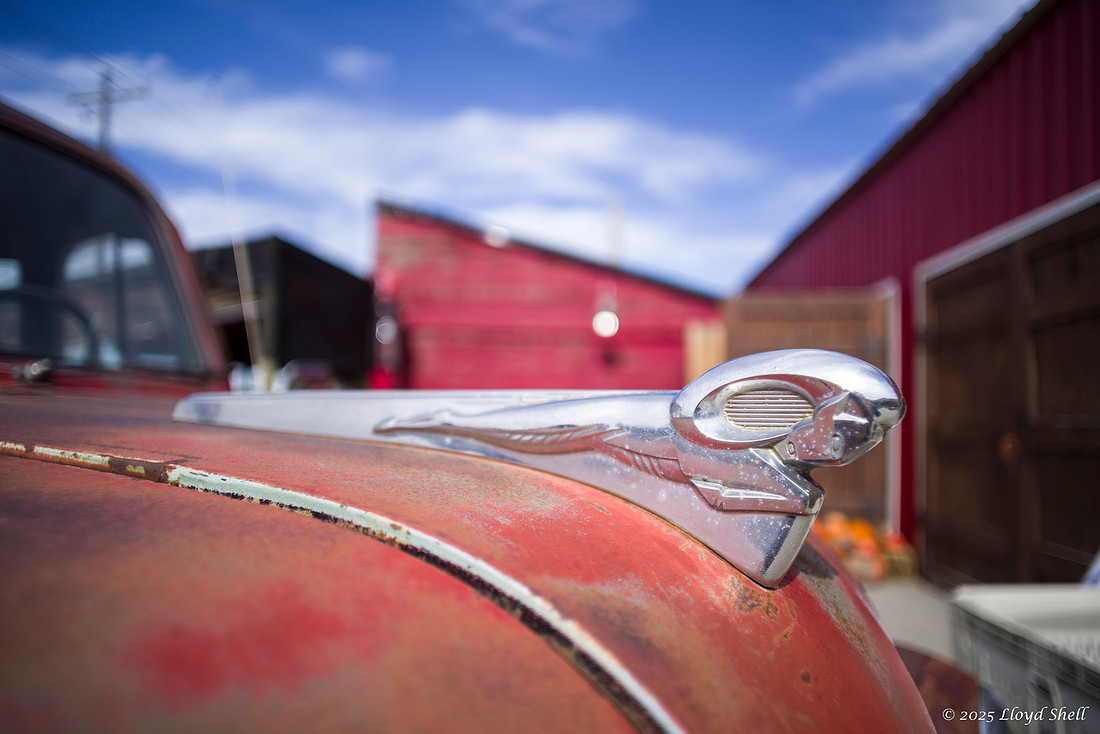
This was one of the first photos I ever took with this lens on full frame, wide open and at closest focusing distance. Just to see what it could do. The colors are excellent.

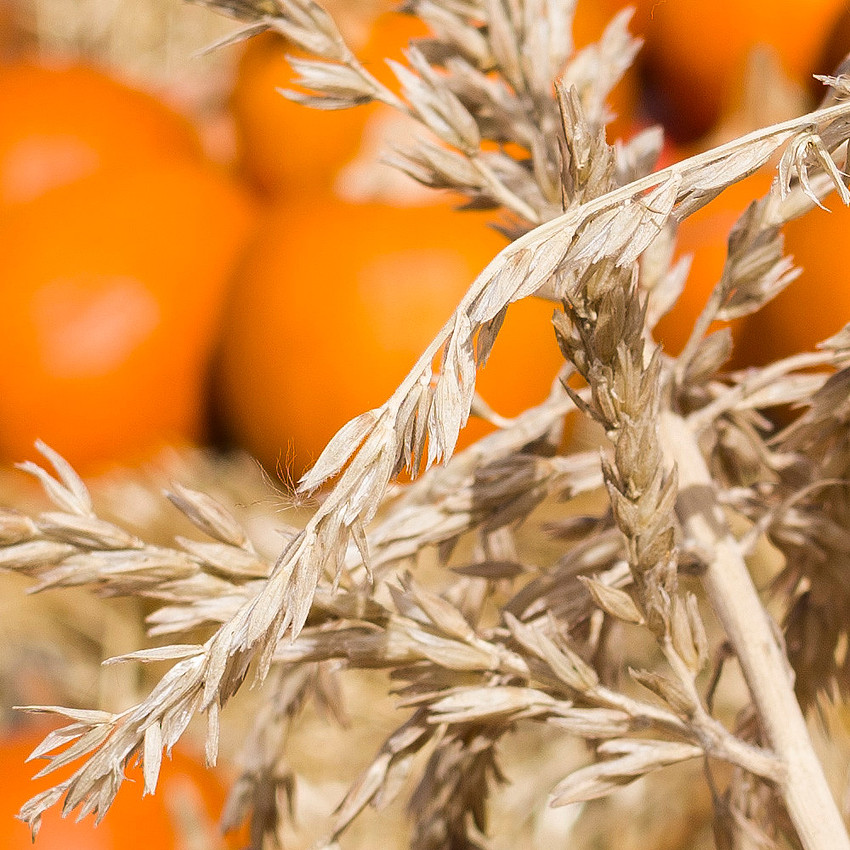
This is a 100% crop from the photo just below, this is wide open at f2.8, in the right conditions this lens can make full use of the resolution of the sensor.
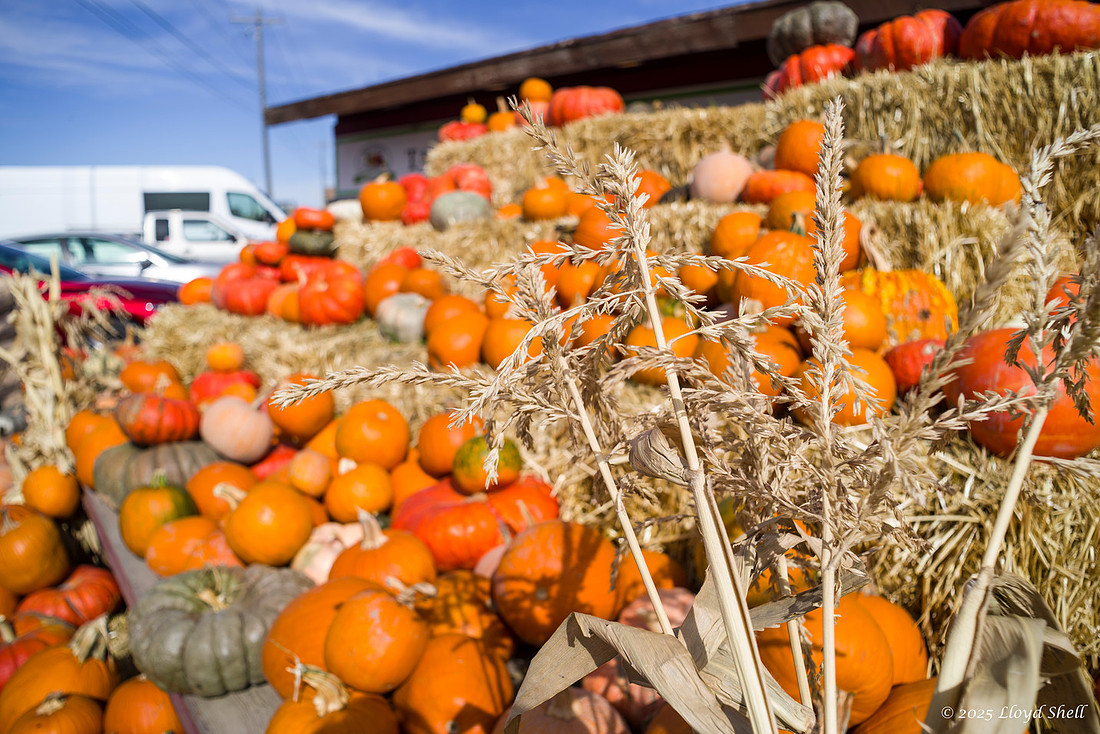
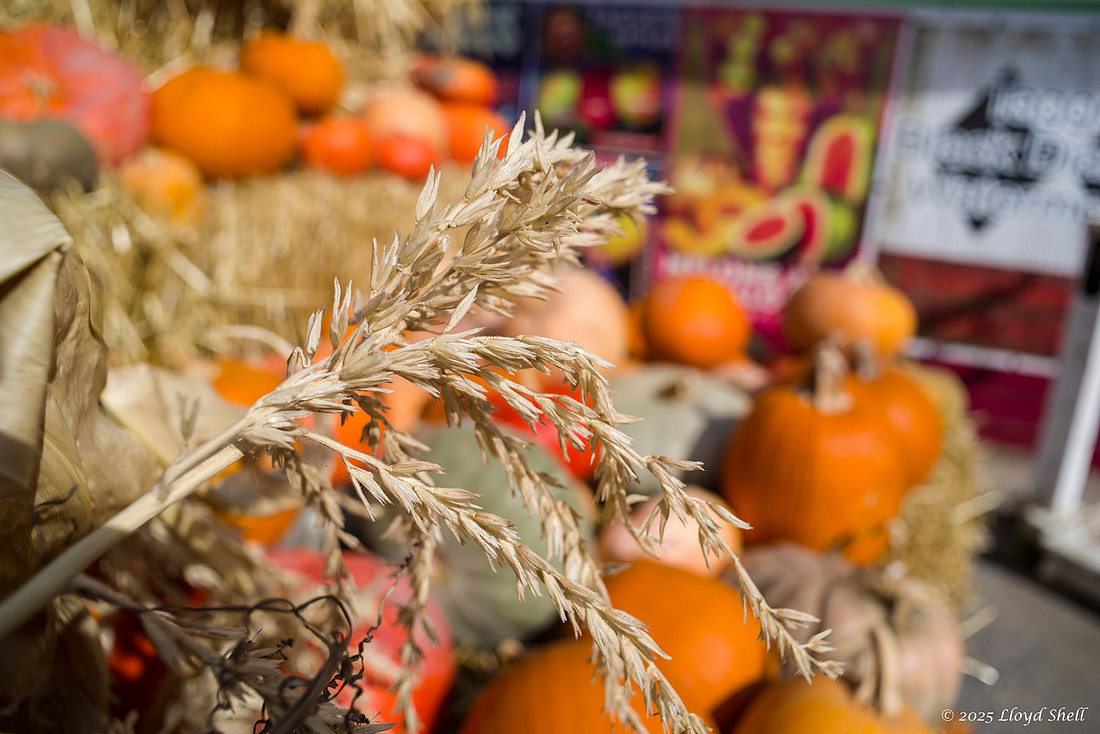
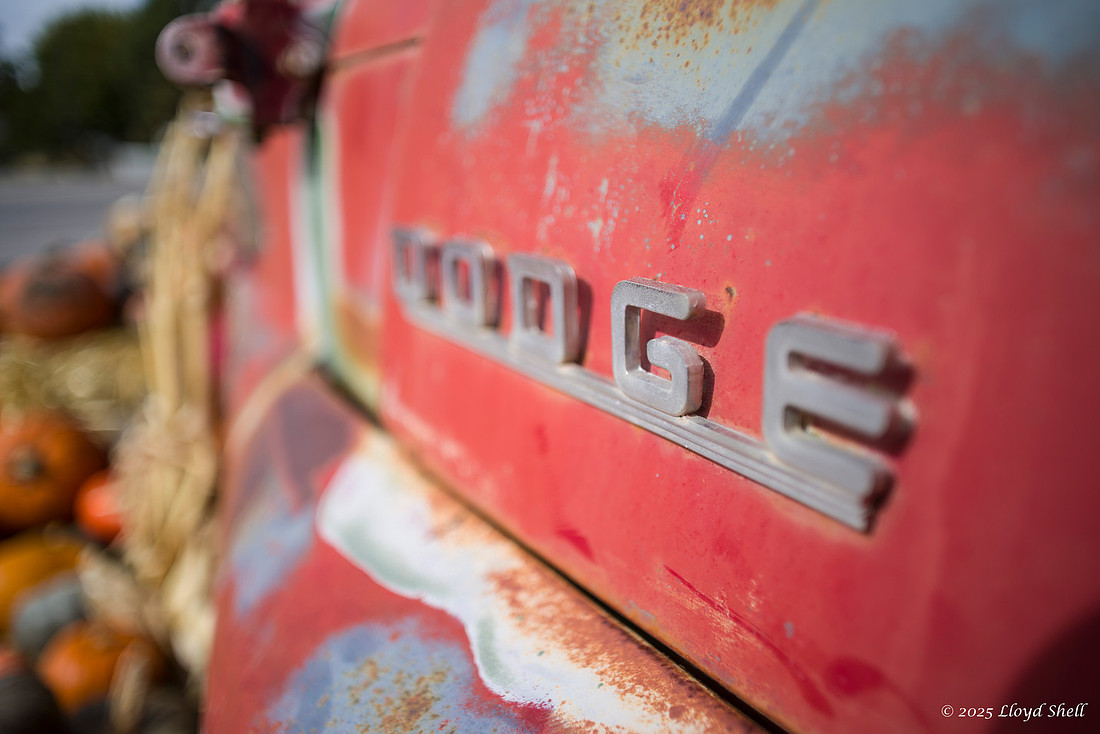
The bokeh can be a little busy.
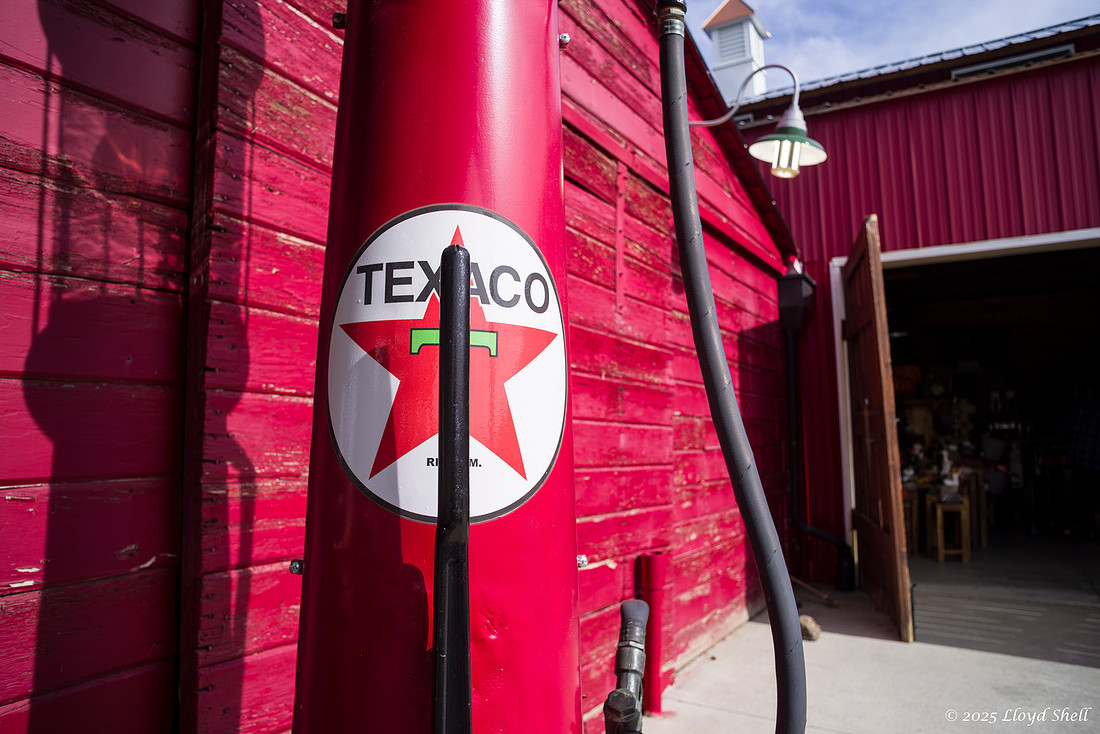
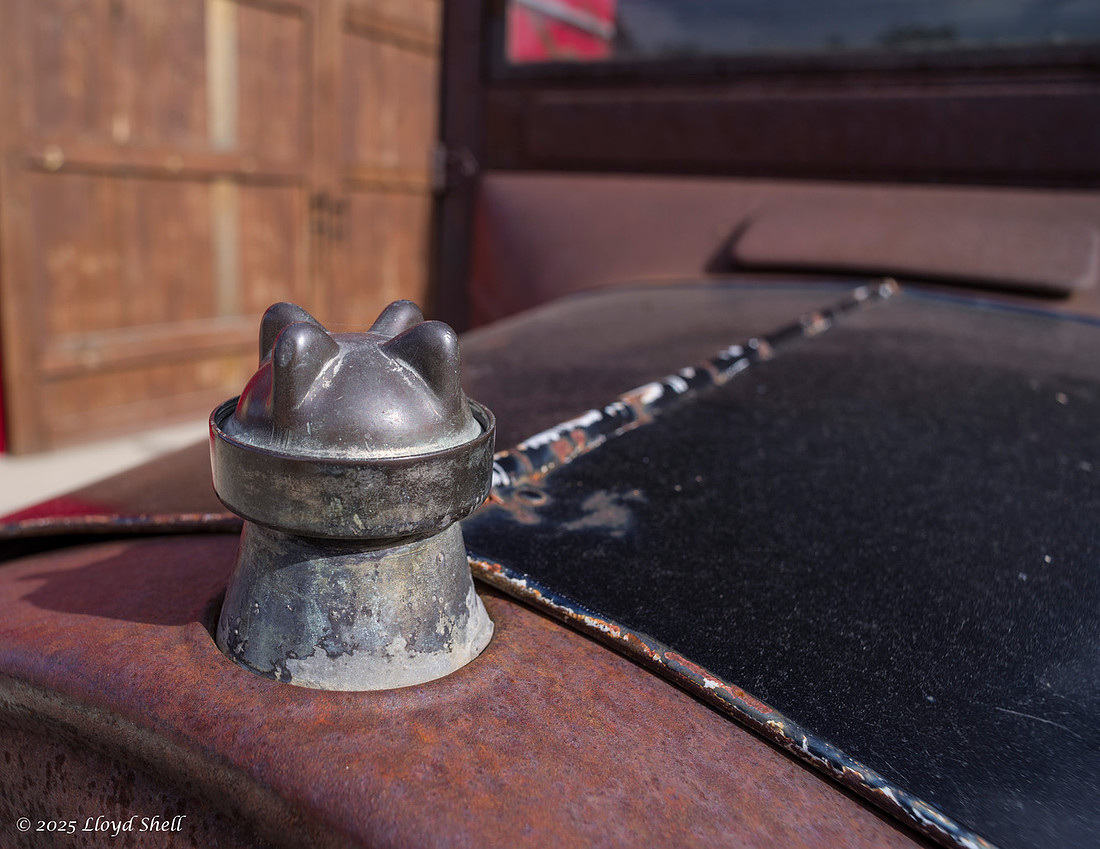
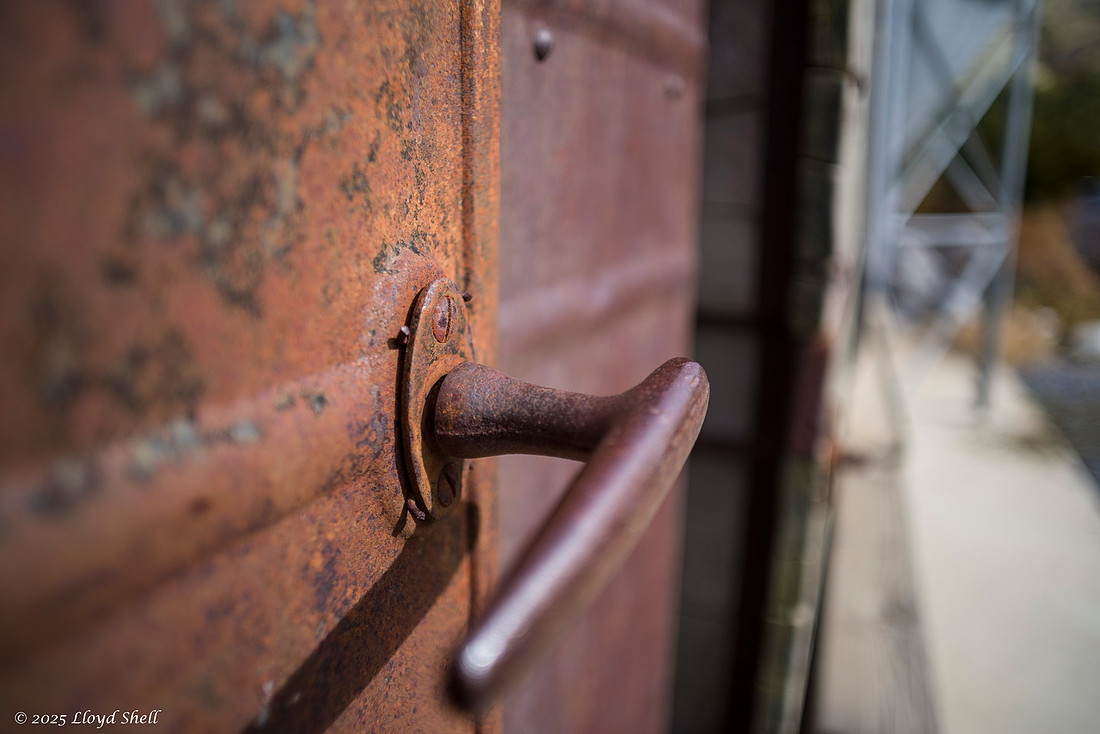

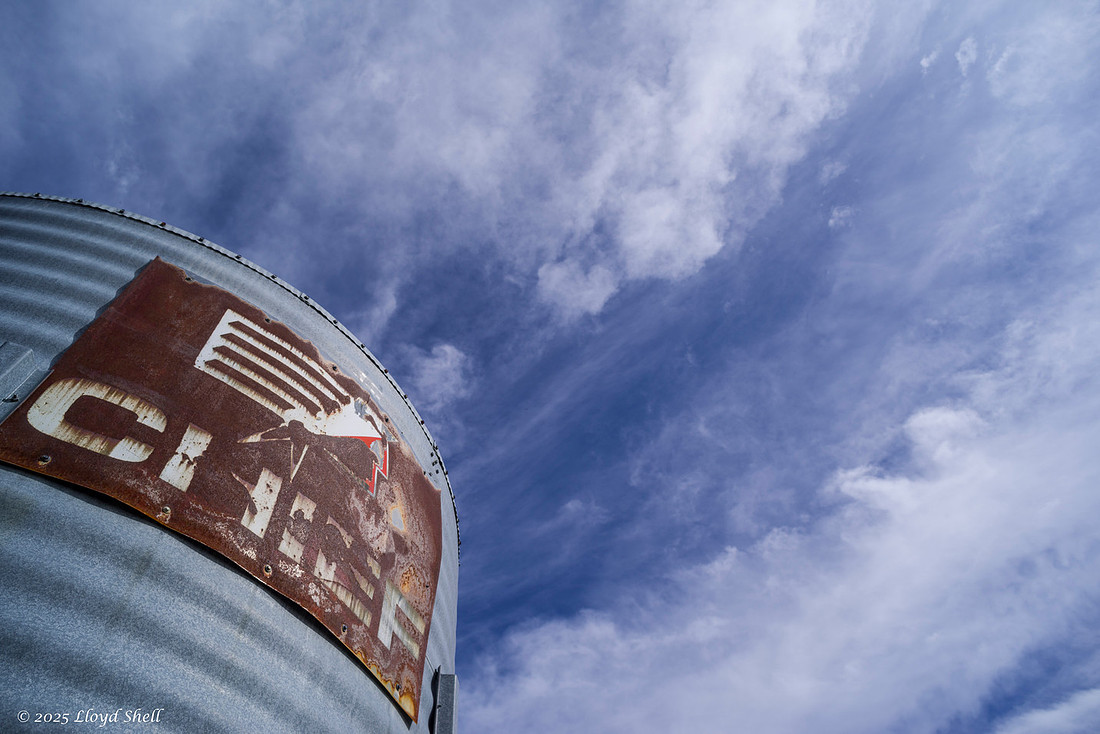
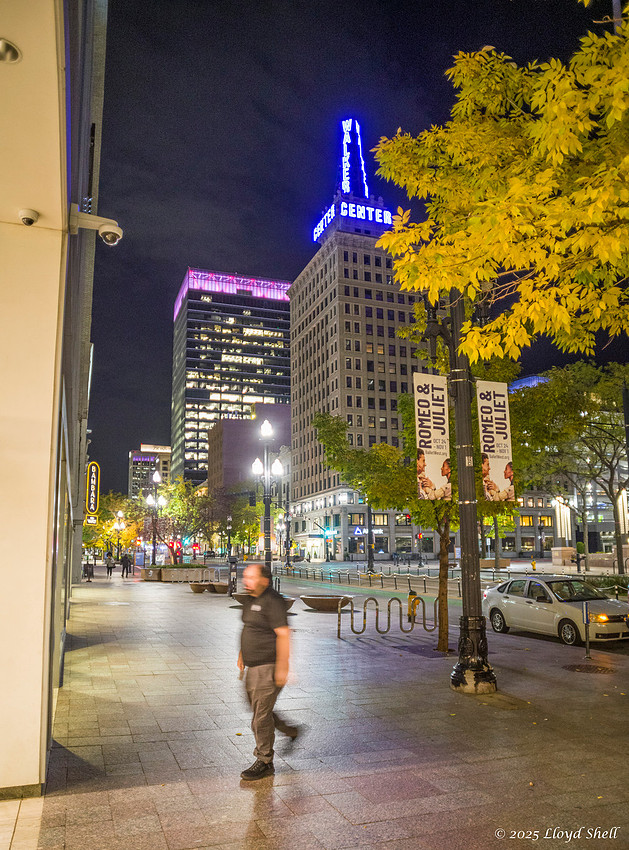
With a bump of ISO handheld is easily doable at f2.8 even in the early morning gloom. Focused on the building and not viewed pixel for pixel this is pretty good for street shooting.
Strongly backlit, I did have to bring up the exposure a bit but the purpose was to see about chromatic abberation in this type of light and it handled it quite well!
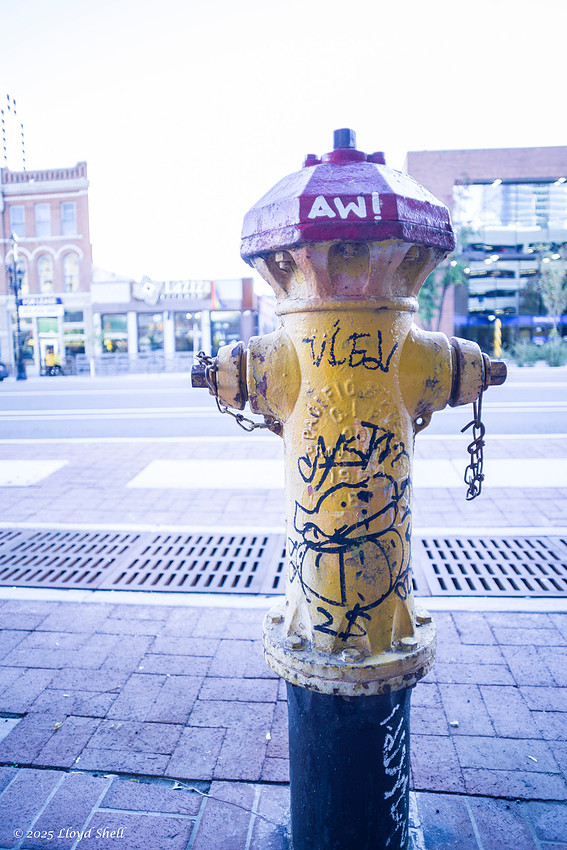
Some people take pictures of brick walls to test distortion, I'm less worried about that and more about getting a cool shot. Not entirely sure this qualifies but I like it. f8 gives great depth of field.
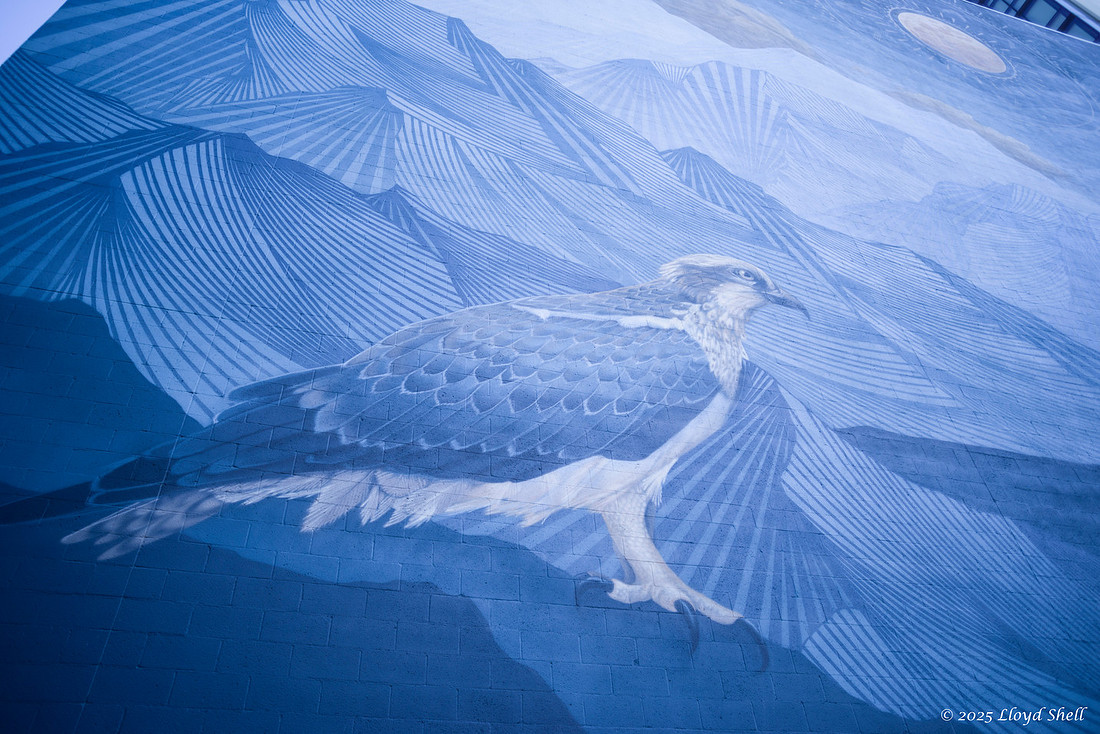
Back to wide open f2.8 at medium distance focus and the background looks much better.
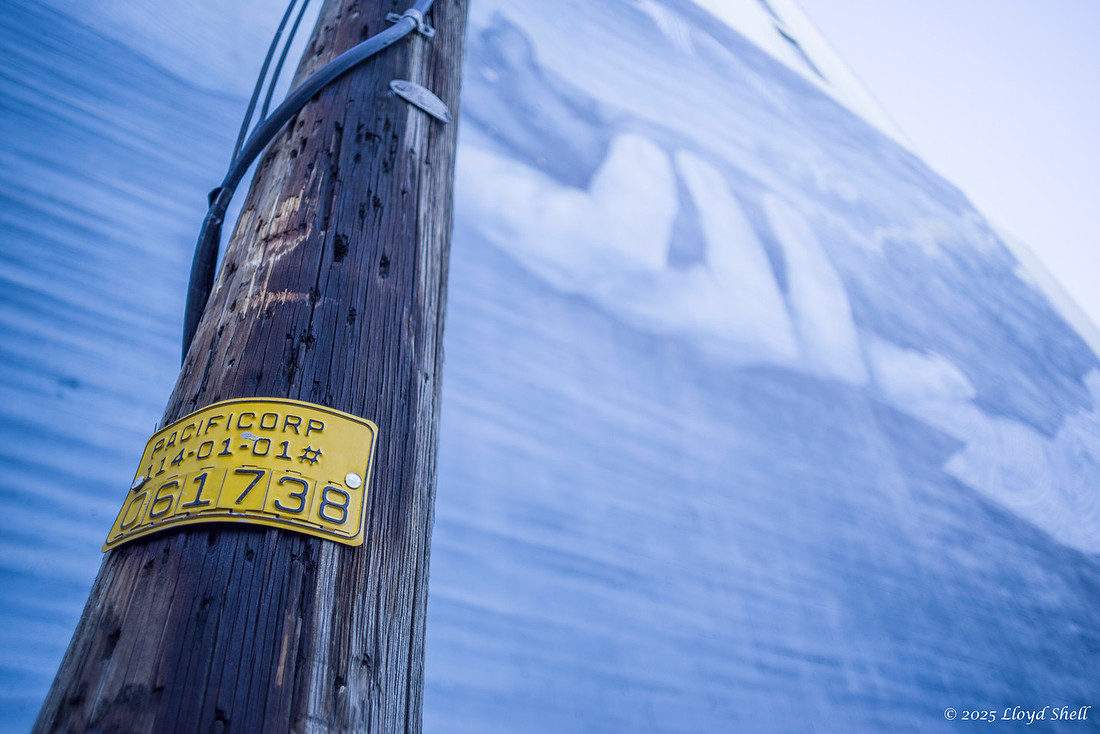
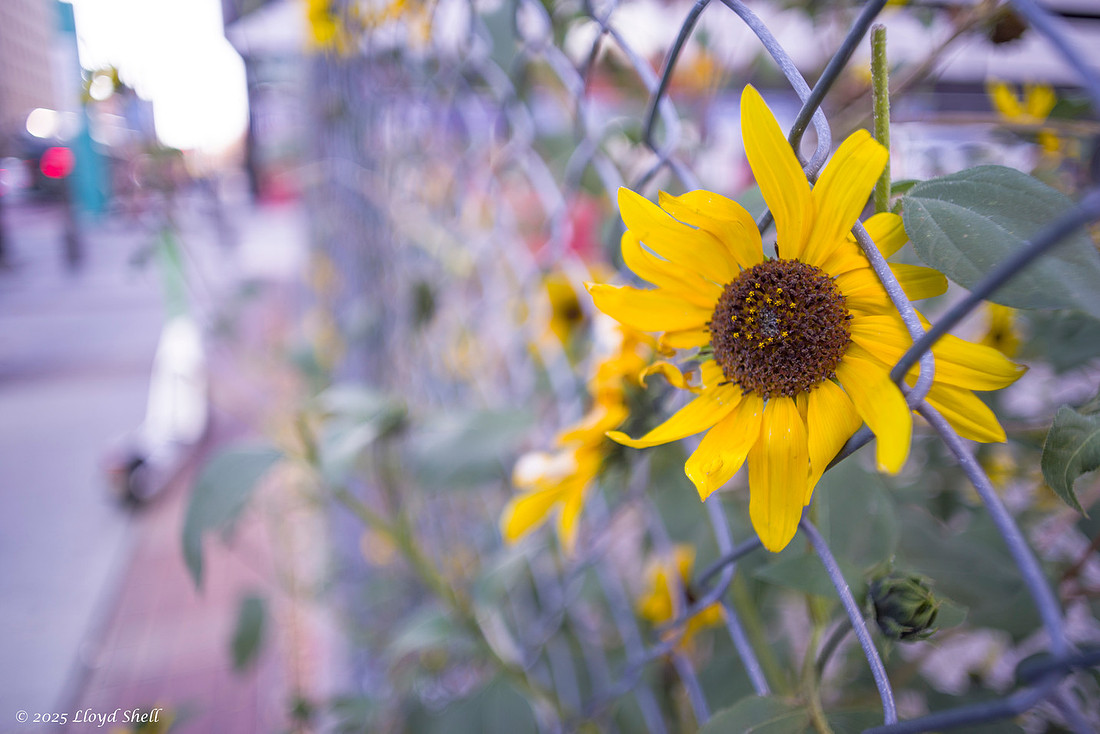
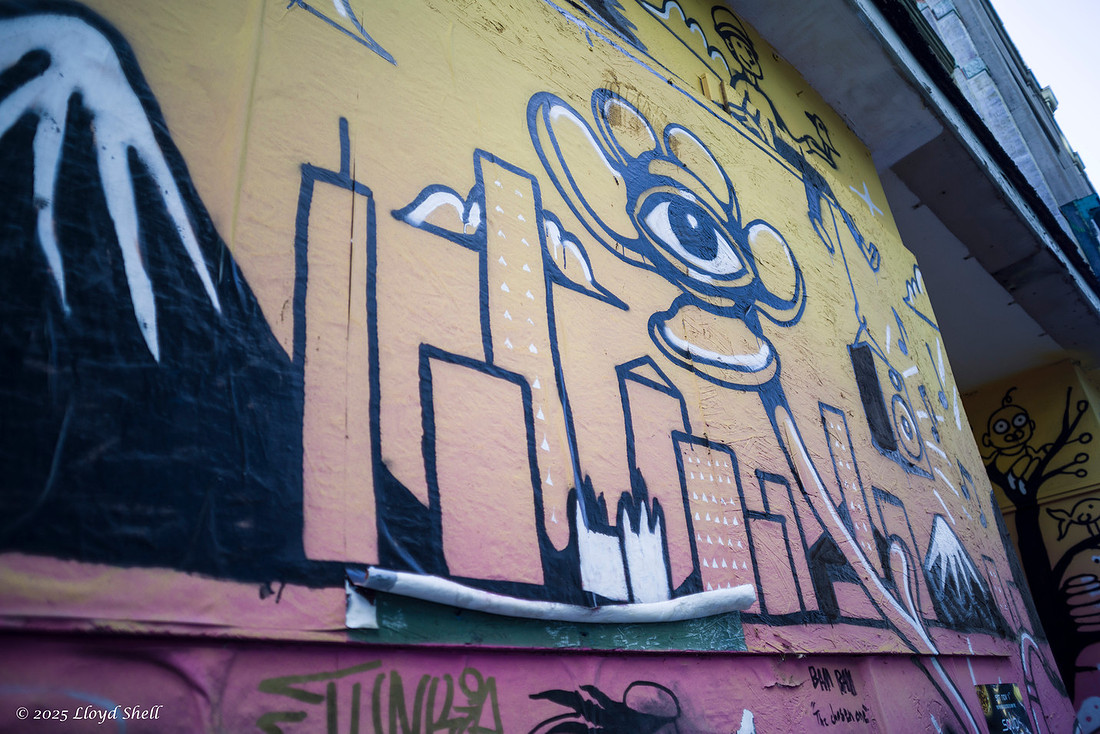
I had to pump up the exposure on these two, I underexposed them more than a bit. I should have been more careful with my settings, there is some motion blur as well. BUT, what this does show is the strength of the lens as a tool to put objects into the larger context they are in. You can blur the background like I did here, or stop it down and get more depth of field. Were I to go back and try this again it would be with a tripod and f8 or f11 which would change this significantly. This was at close to closest focus distance IIRC.
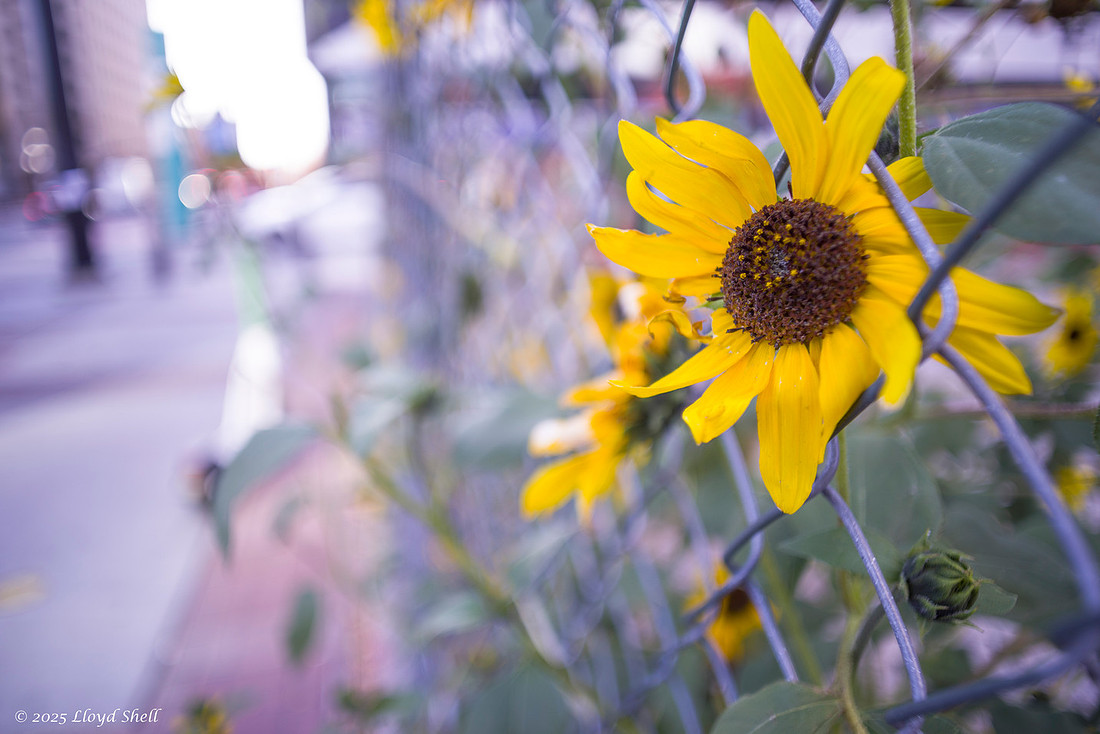
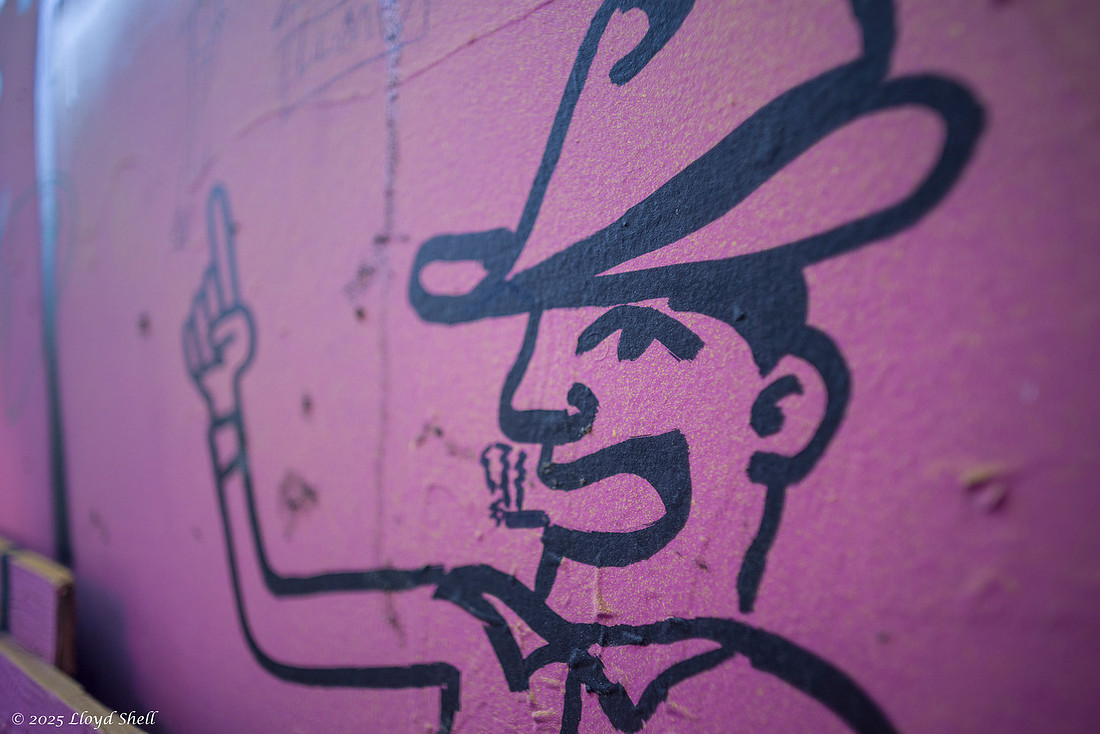
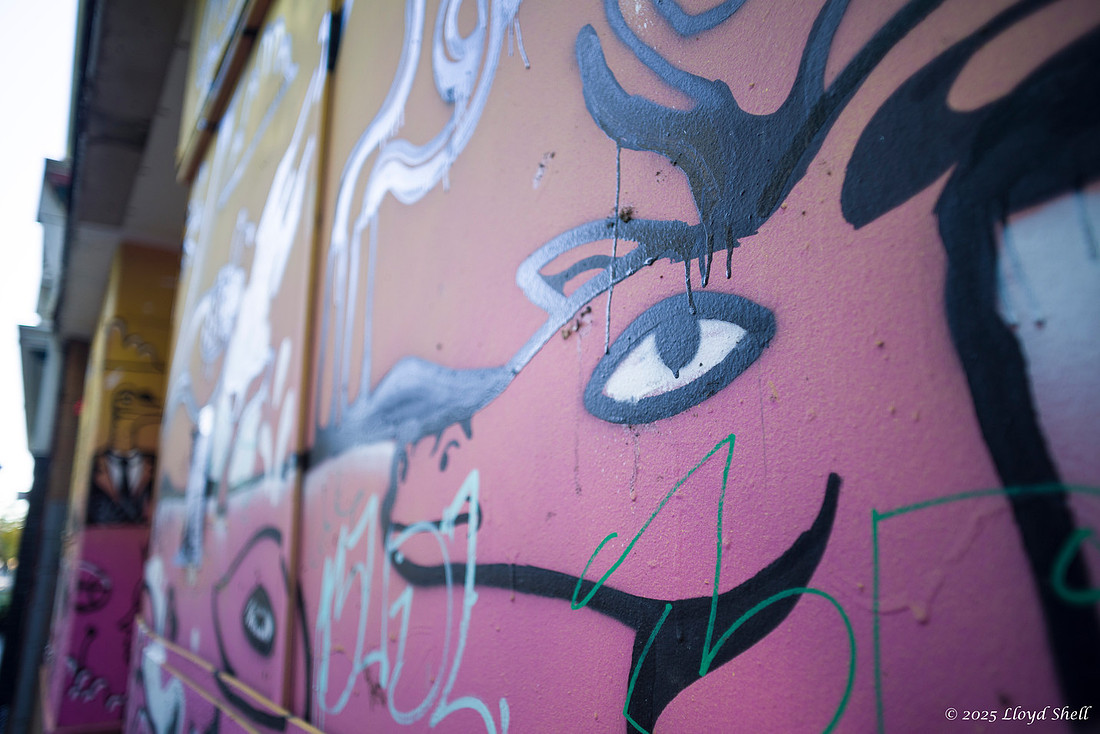
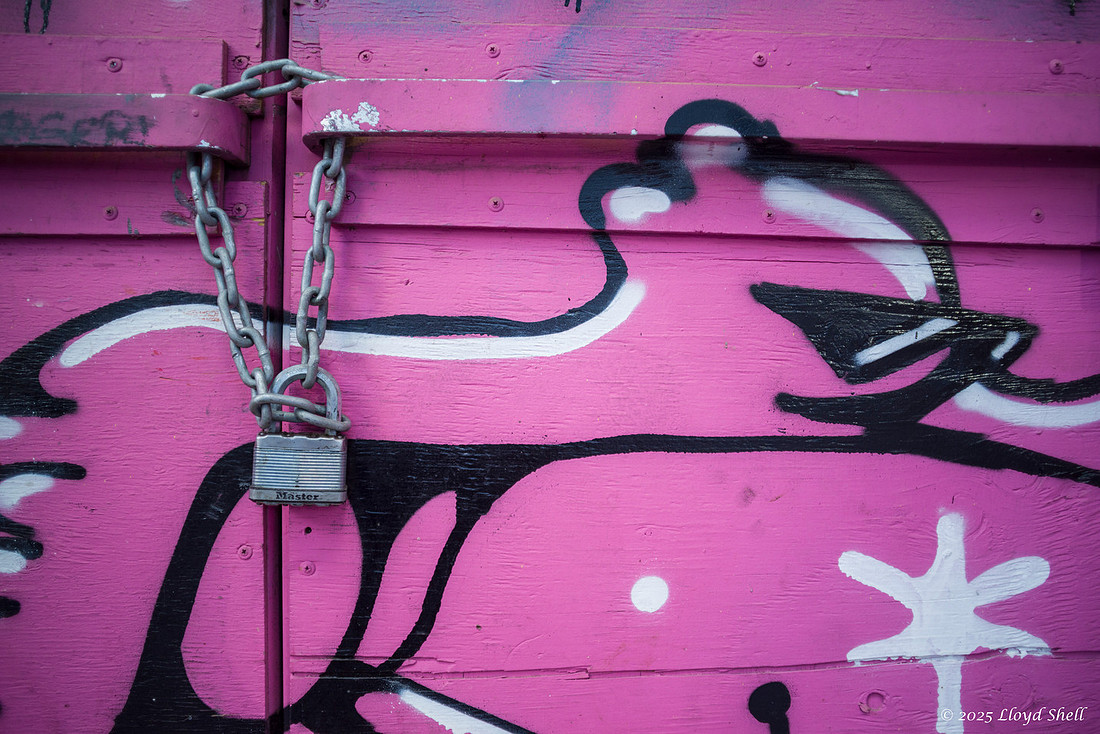
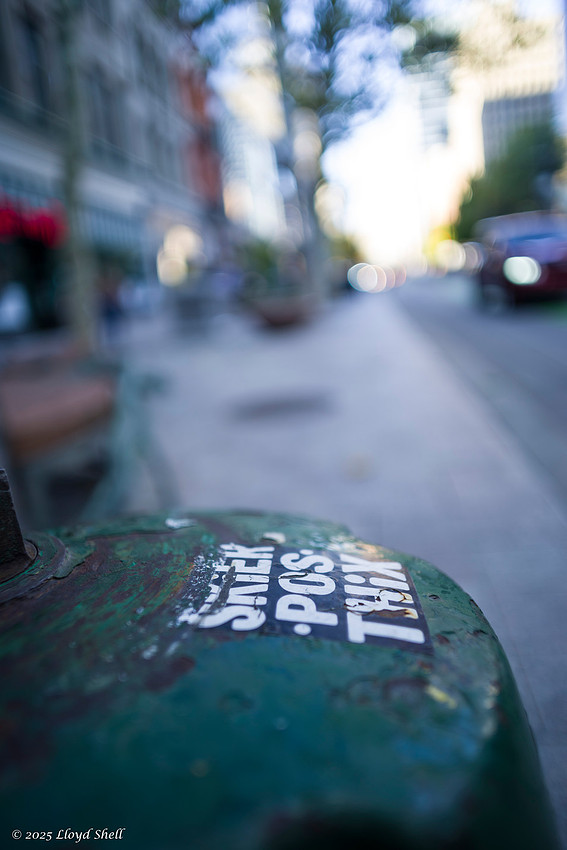
If you go back to my Vivitar 20mm review this fire hydrant was in a few of those photos. It is likely to be a prominent feature in other reviews as well as it is right by my train stop and will give me some opportunities for comparison between lenses. This was at f2.8 and closest focus distance. I think the background is actually quite pleasing with the out of focus bokeh contributing rather than taking away.
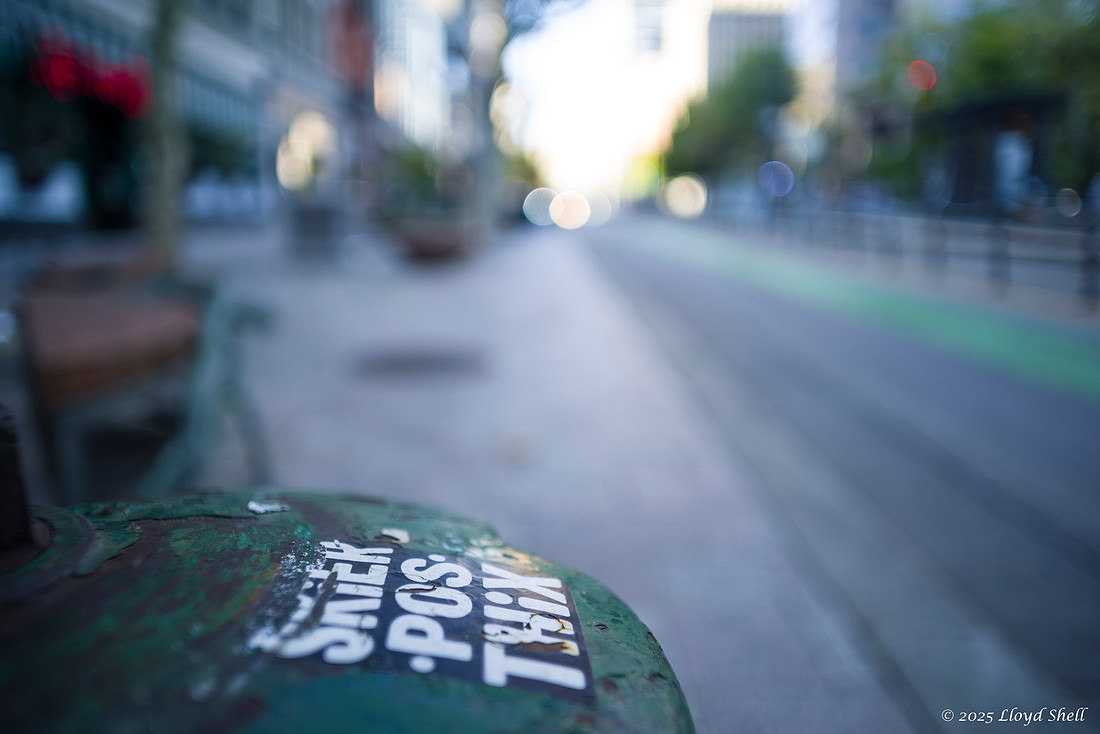
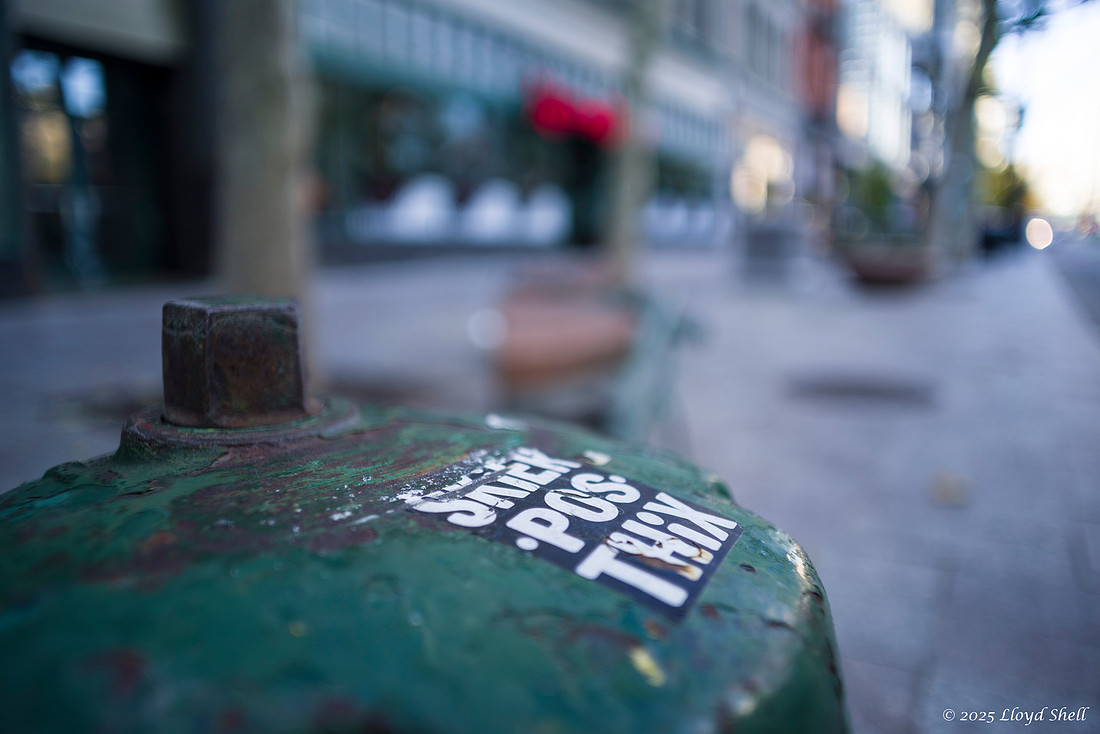
This is a 100% crop from the center of the photo below it. At f8 there is excellent practical sharpness, I have no way to scientifically test the lens, but it is good enough I think.

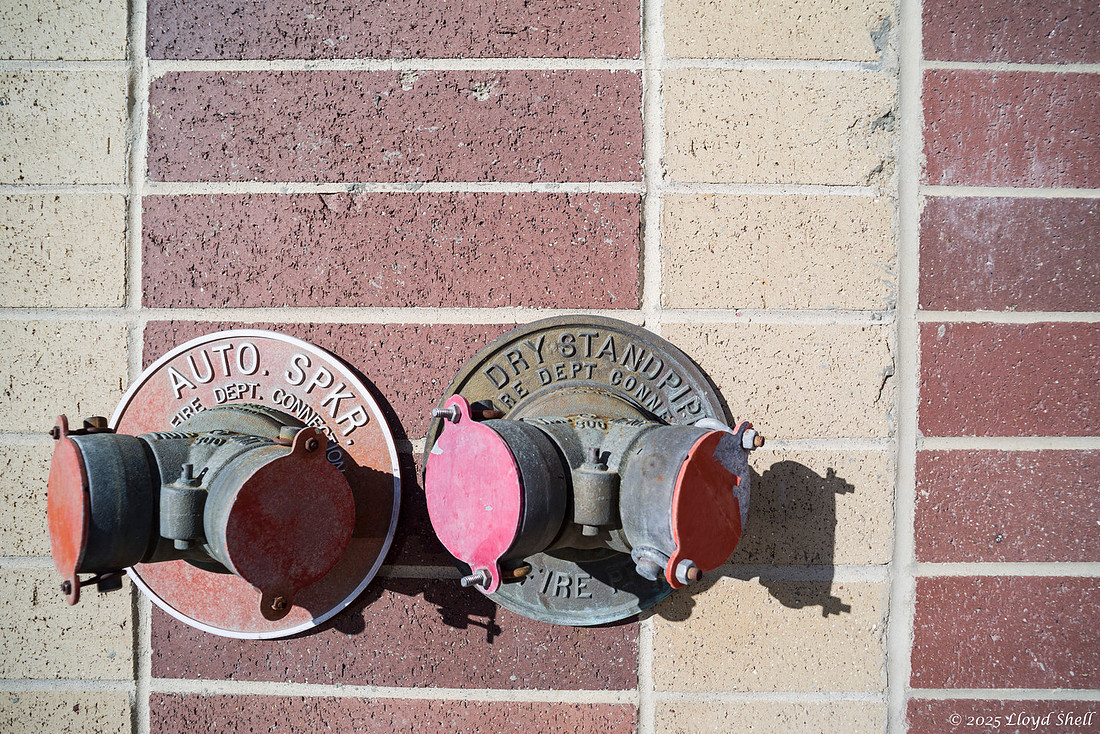
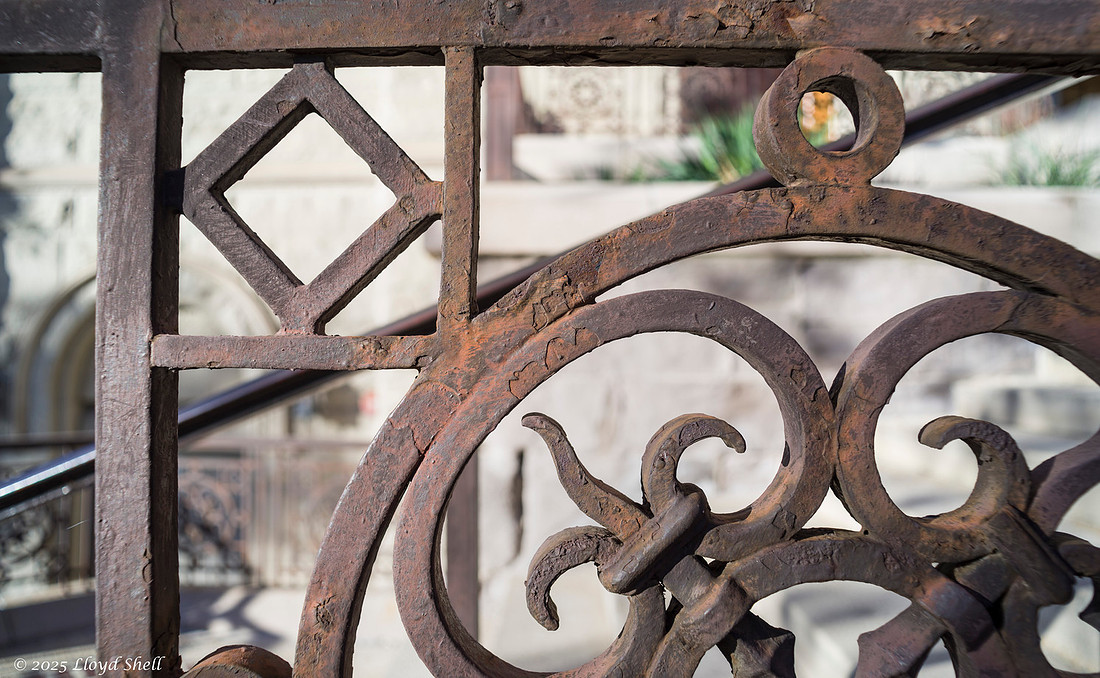
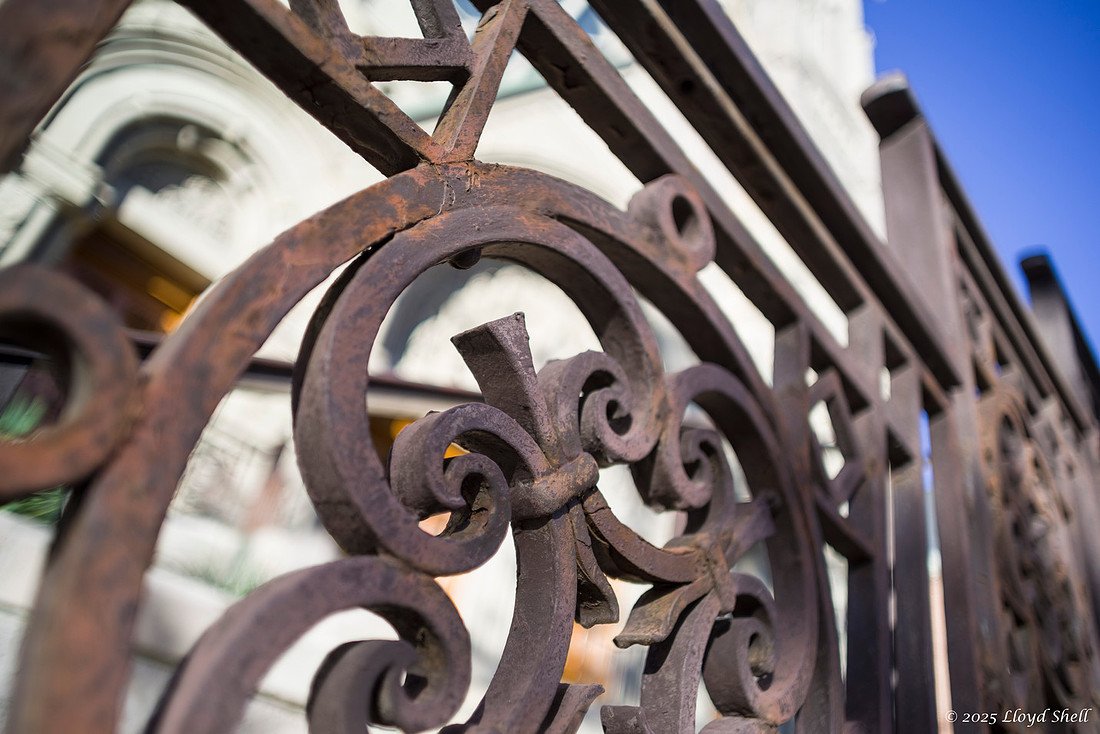
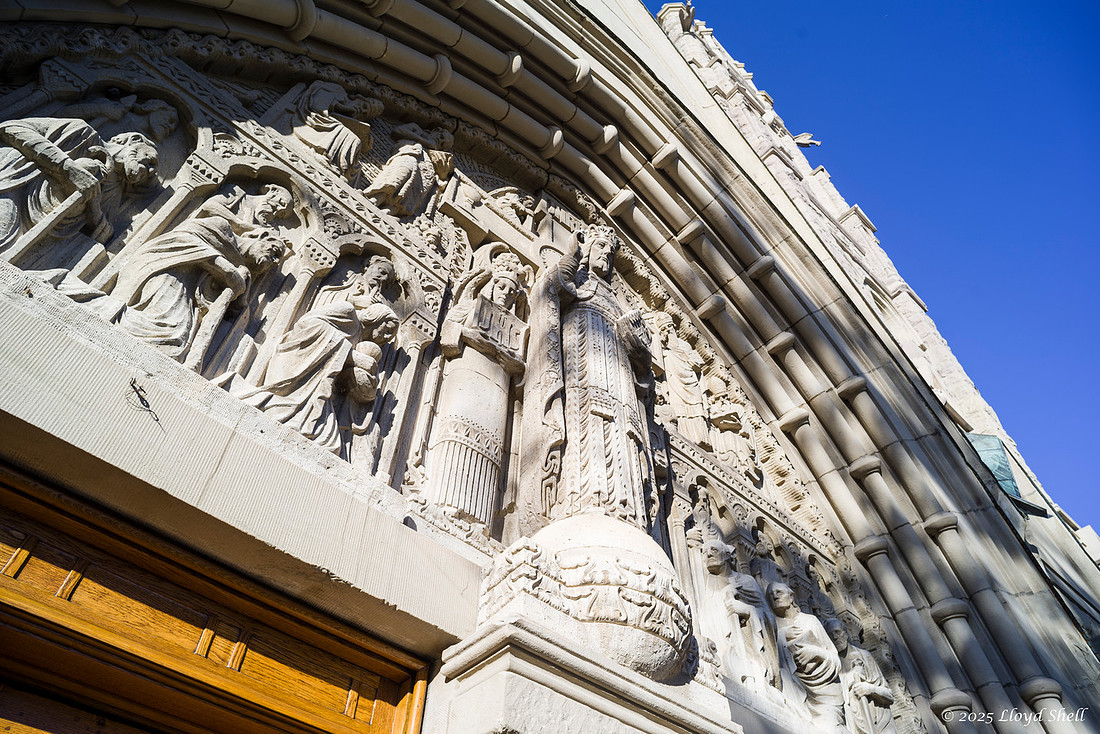
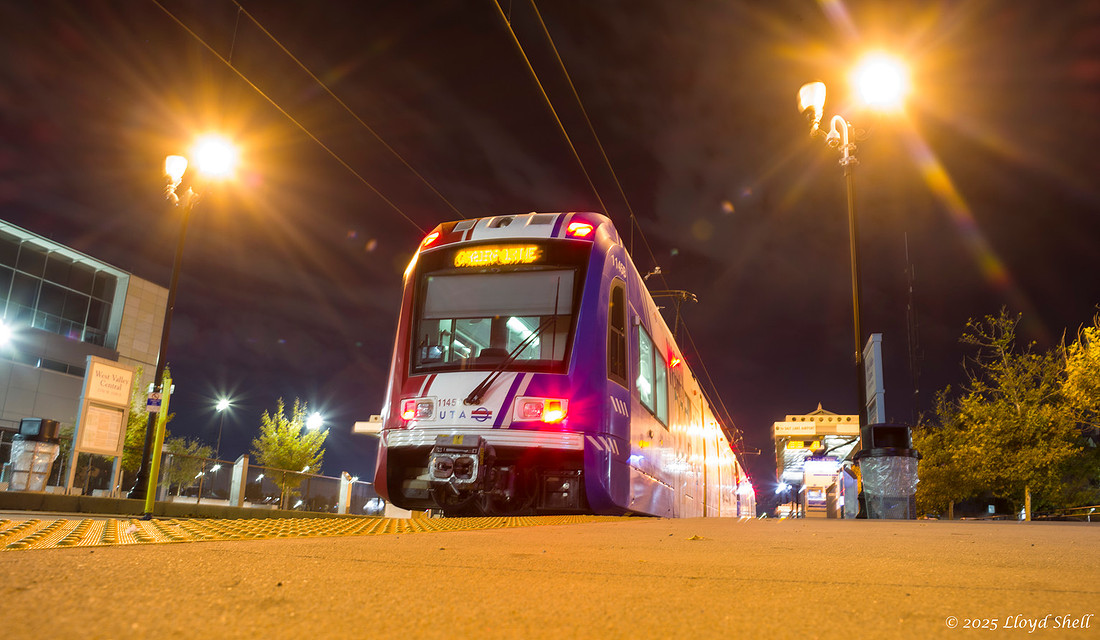
Here is where this lens really begins to shine, stop down to f8 put the focus ring on the hyperfocal point and go. Decent stars from the 5 bladed aperture and minimal CA, though there is a single blue spot on the building on the right. I would normally just clone that out, but I wanted to show the truth of the lens.
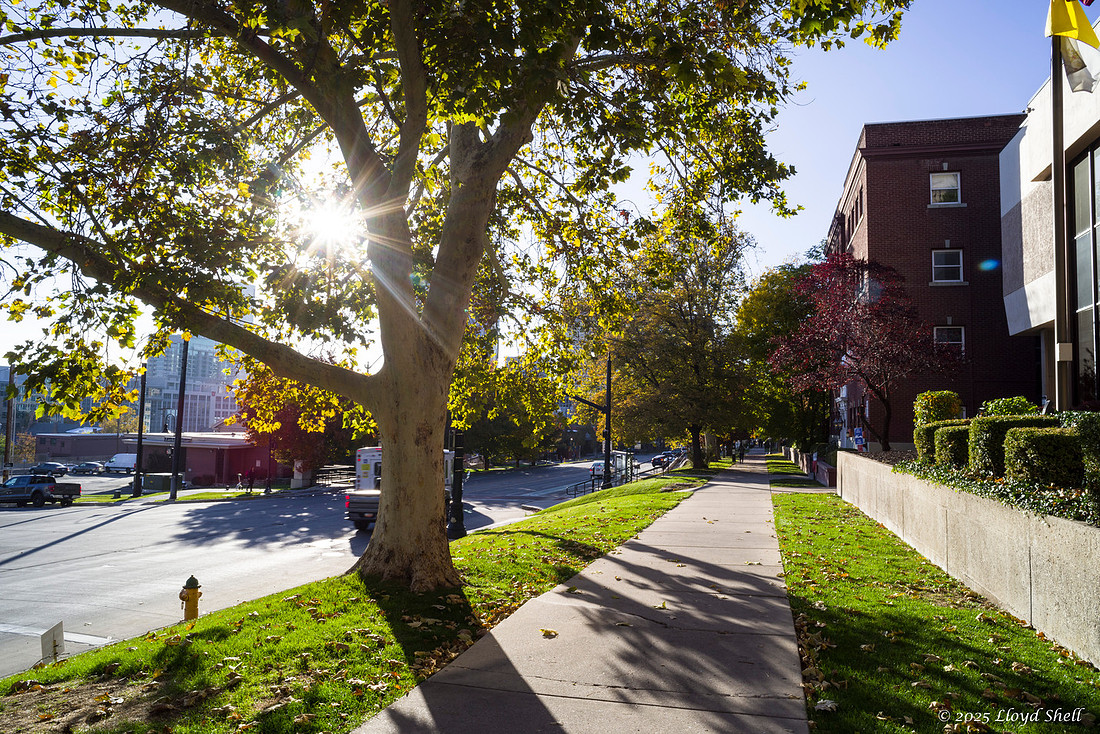
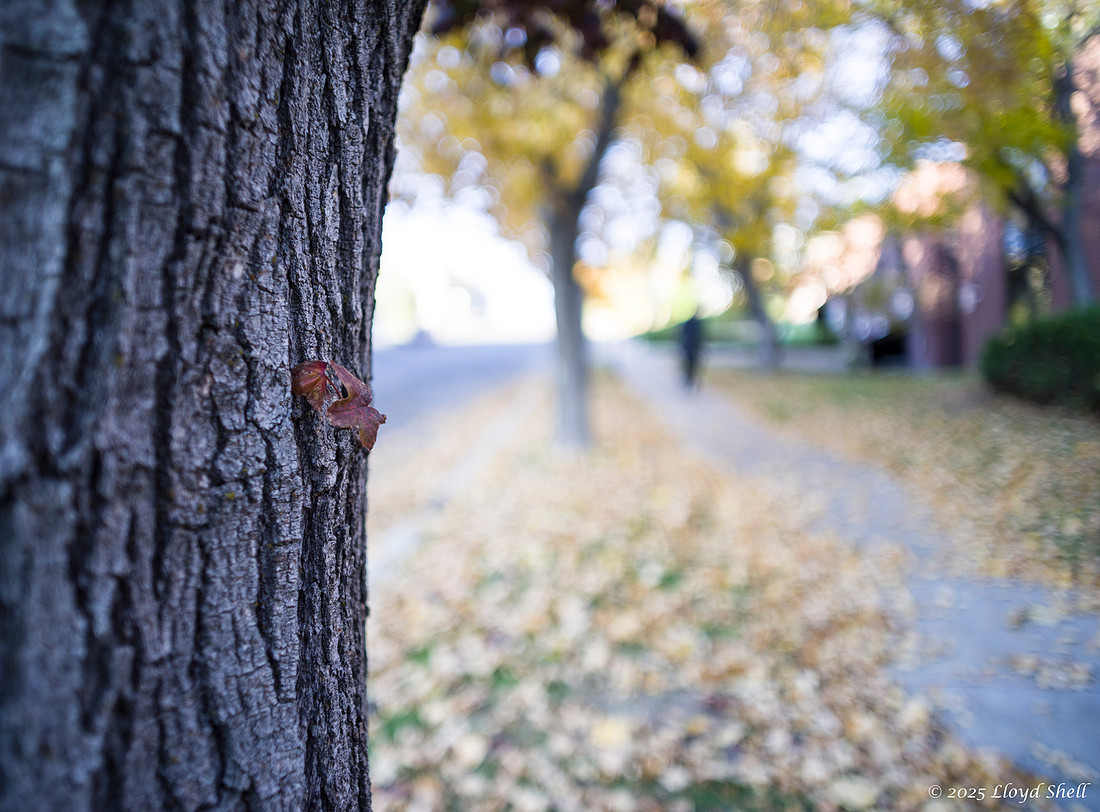
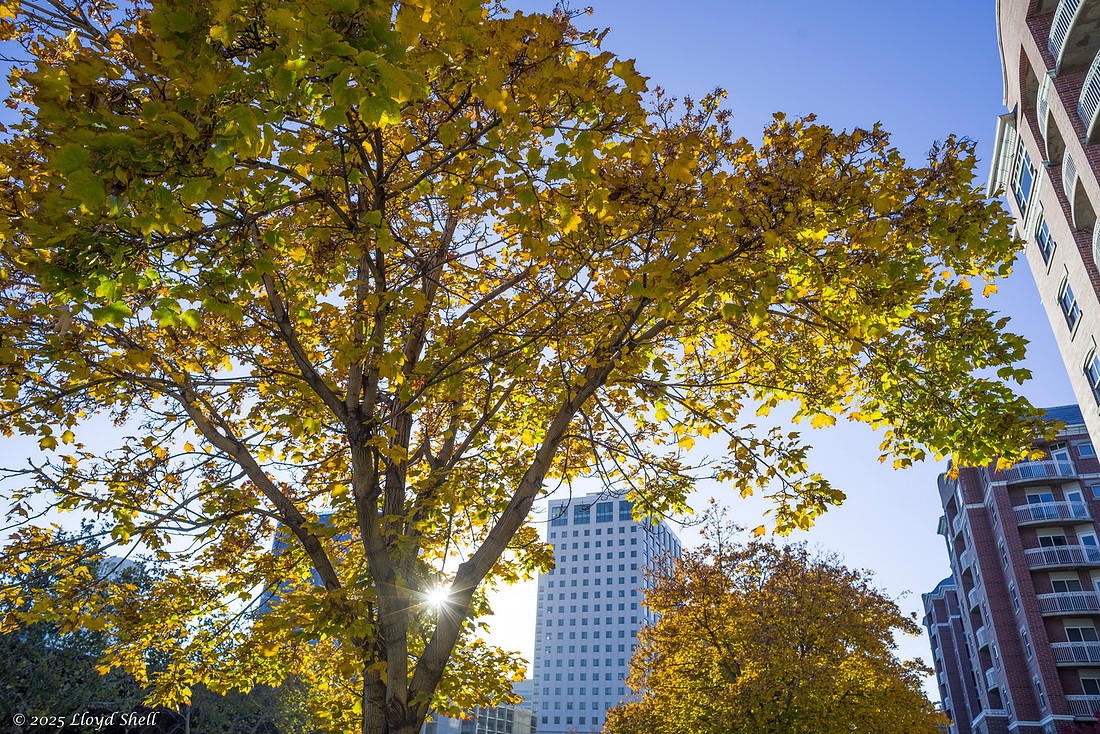
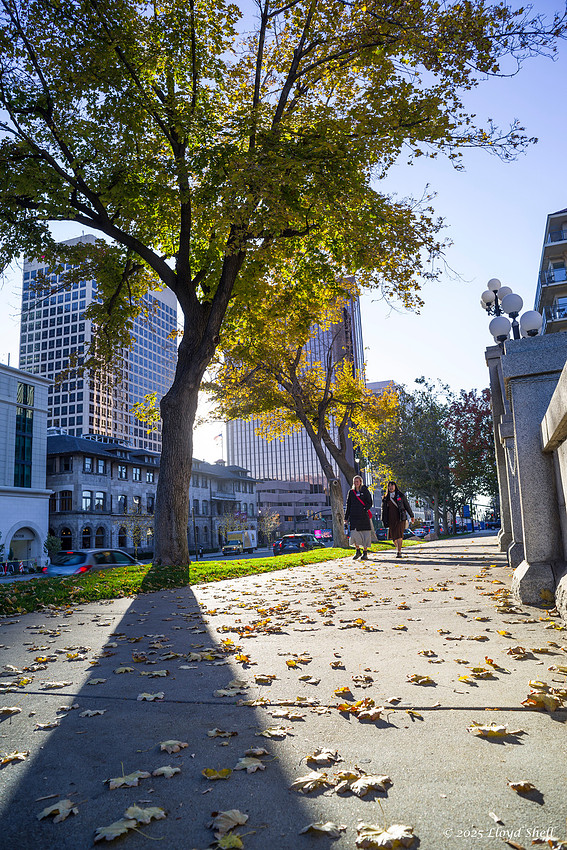
This shot was a deliberate torture test with the opportunity to show what the worst possible outcome would be. Sometimes lens flare can be artful, sometimes it can be overdone, like in the Star Trek Re-Boots with Chris Pine, while this is pronounced, I don't find it truly poor if you use it correctly. FYI I did crop off a little from the bottom, it was just too boring.
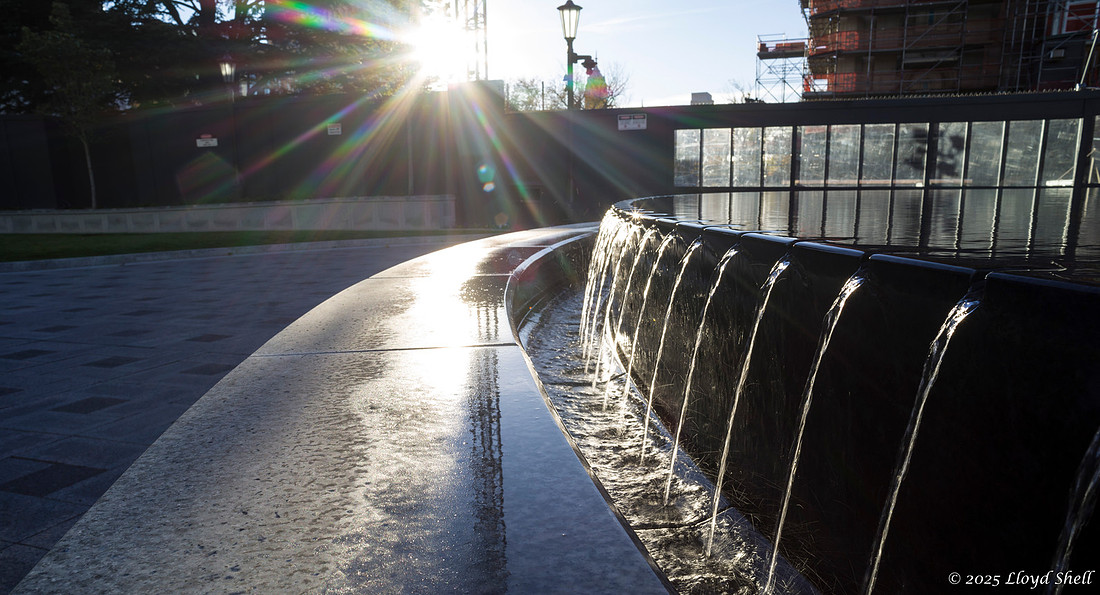
There is some barrel distortion but I didn't notice it much, if you really try to find it you can.
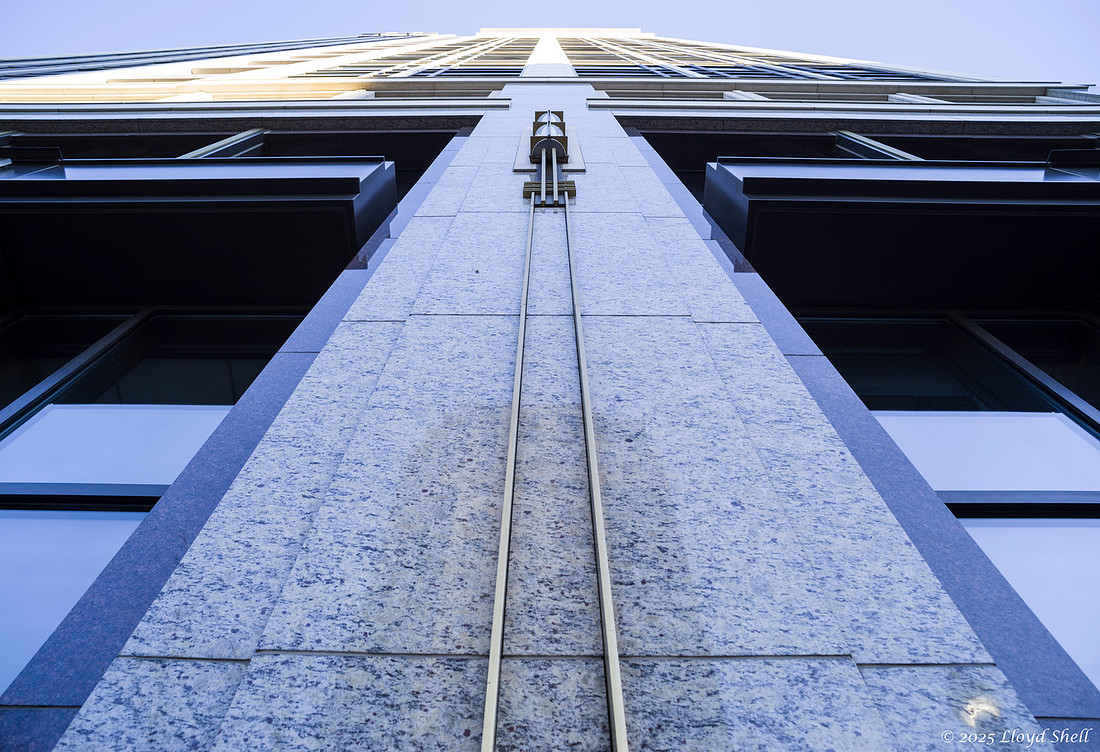
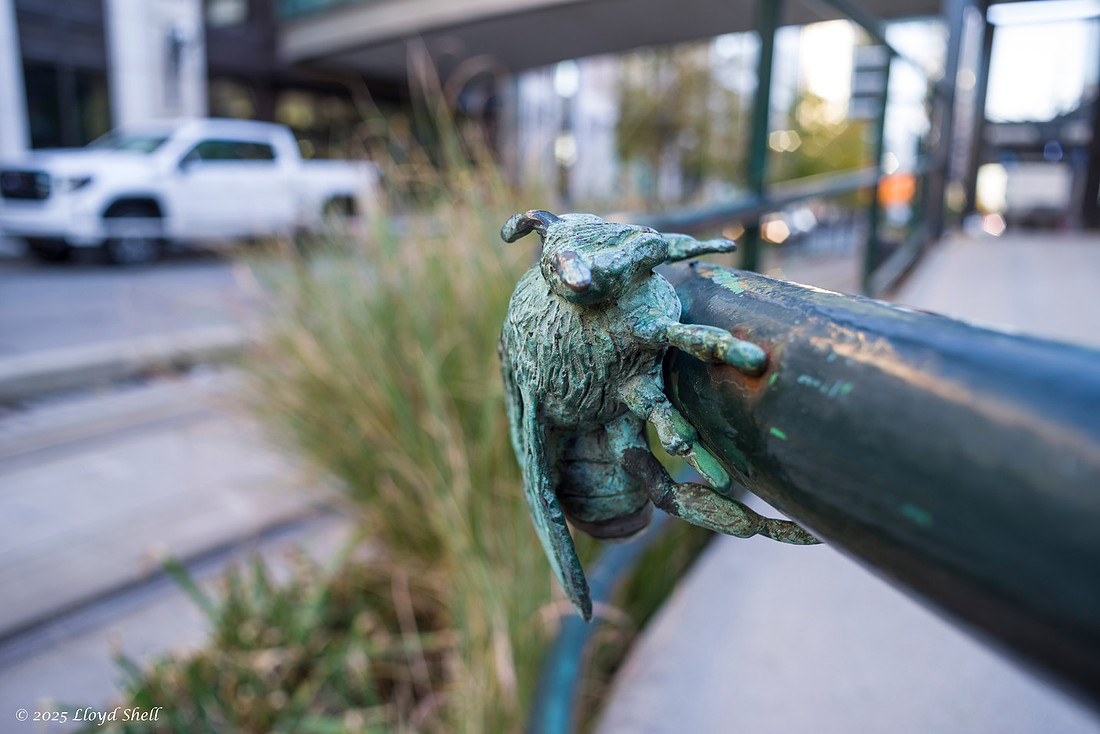
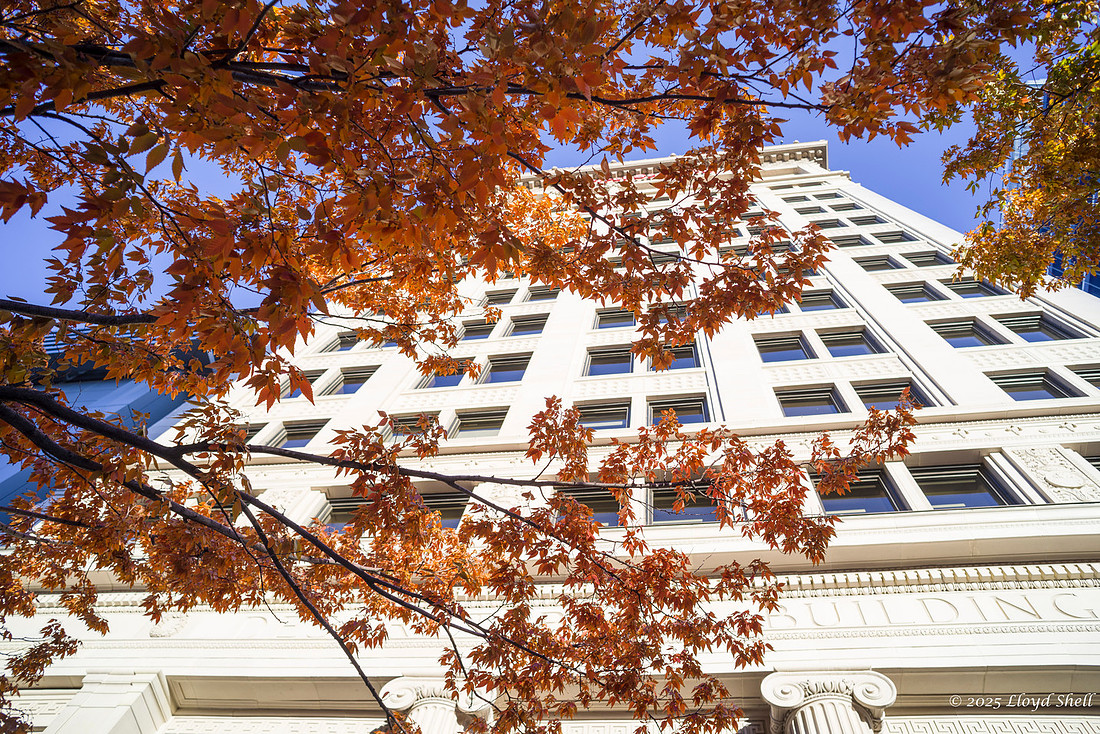
Street shooting done, here is a general summary. The sharpness is good in the center wide open, and gets better with stopping down. The edges are less good wide open and get OK stopped down. BUT I seldom require edge sharpness when shooting street stuff, and this lens is good enough. Sizewise it is just about perfect, and would work well as a pocket lens on a day out. I'm looking at this, my 35mm f3.5 and my 50mm f1.4 as a trio with a lens in each jacket pocket and one on the camera slung over my shoulder. It would likely be a perfect combo.
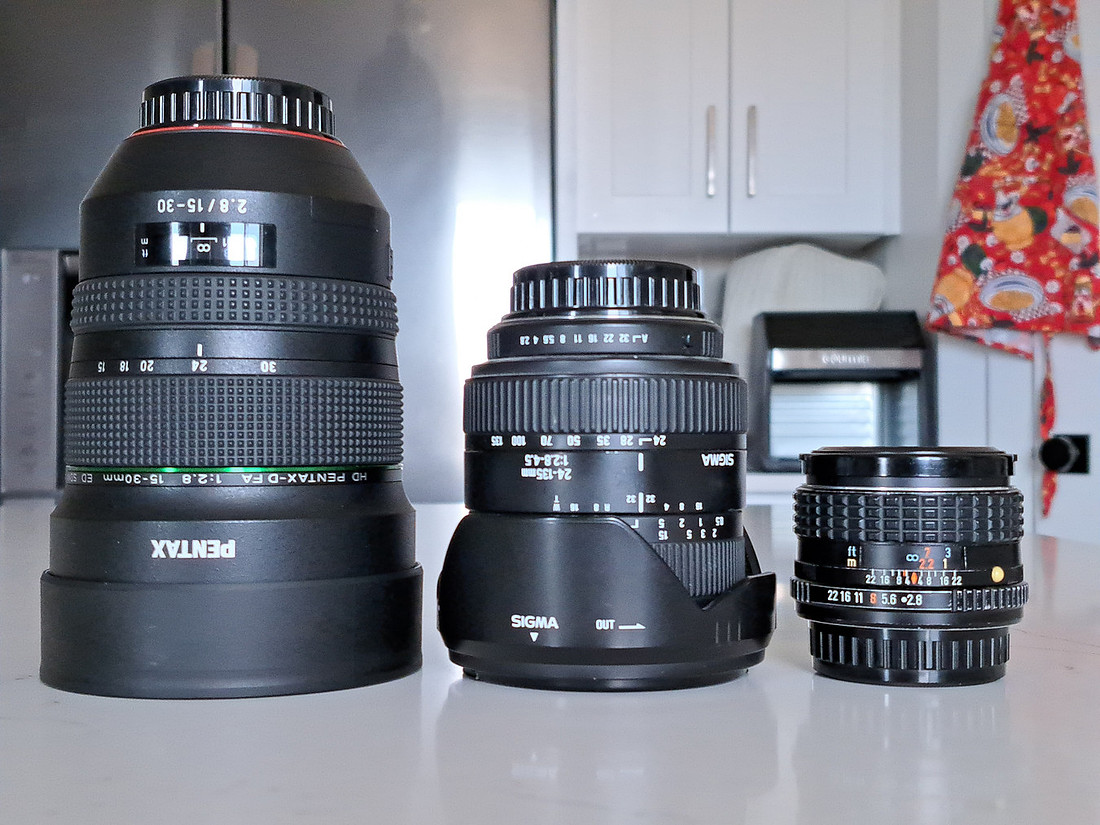
Now, on to some more technical stuff. I have two other lenses that cover this focal length, a Sigma 24-135 f2.8 that was a gift and my Pentax 15-30 f2.8 BEAST. There is a photo of all three together at the end of the post, the sizes are laughably different. That said, you will see as we go on that the 15-30 is an amazing lens, and the K24mm can come close in the center stopped down.
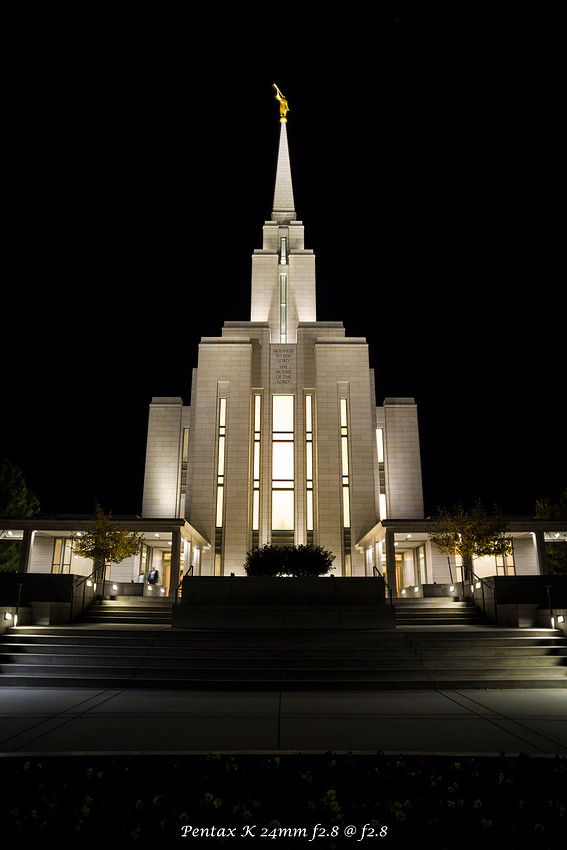
Here is the subject for this part of the test, I live in Utah and yes I am a member of the predominant religion and I take pics of temples frequently. I chose this as a way to test central sharpness in a subject I am familiar with. Following this photo you will see 900x800 pixel crops of part of the center with each lens that should display pixel for pixel on your screen. They are all labeled. I also just added 500x500 crops of the steeple as it illustrates the more marked differences.
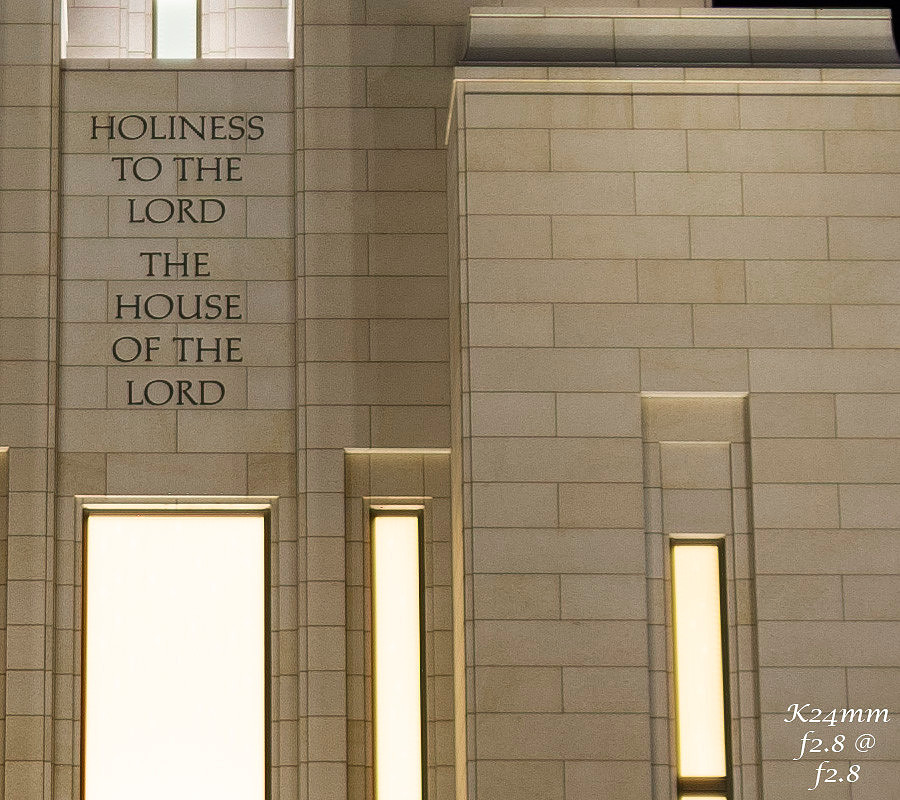
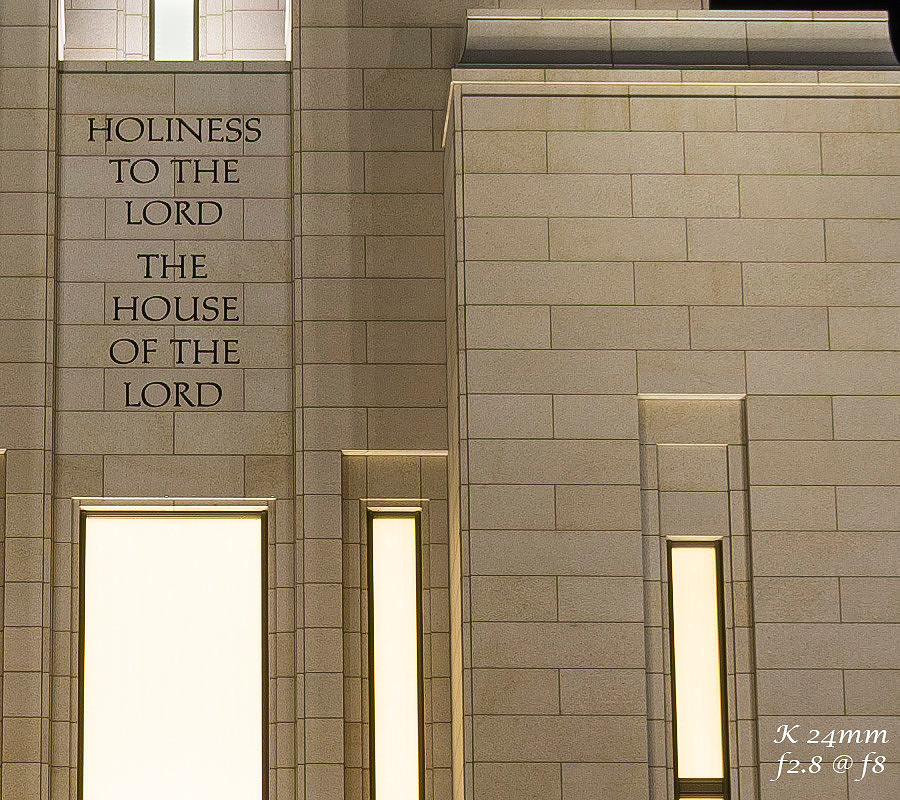
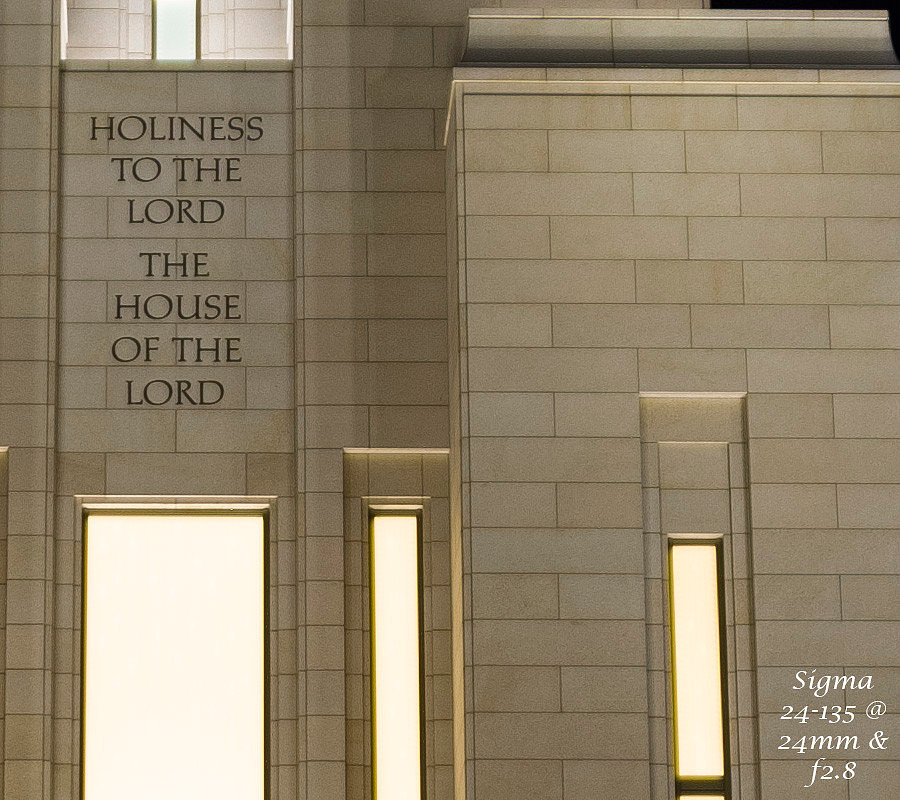
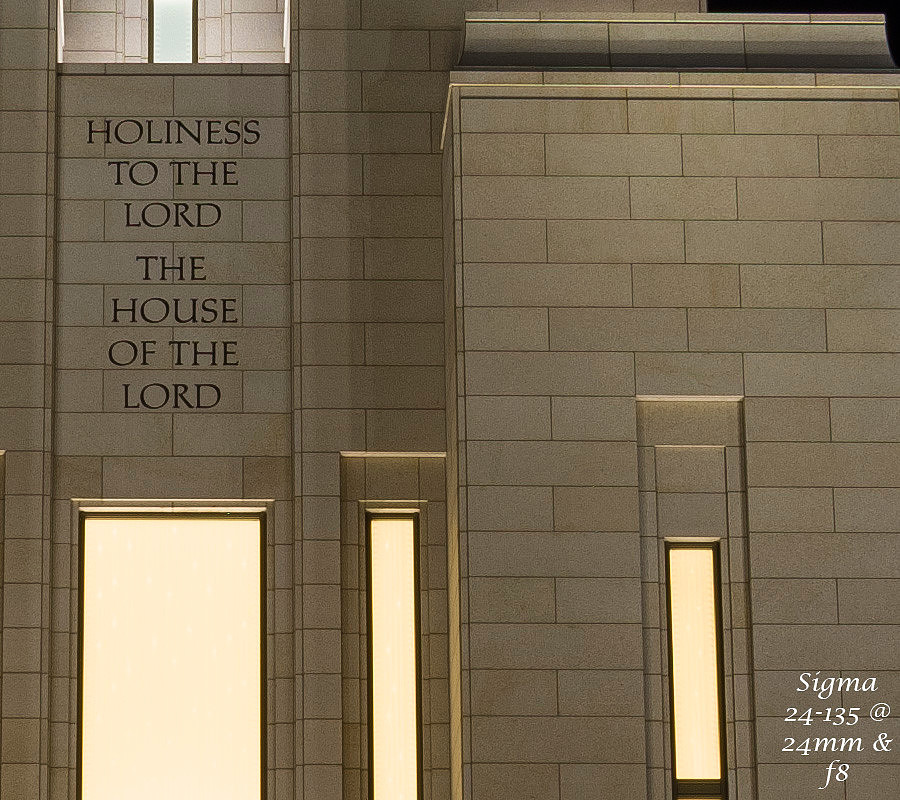
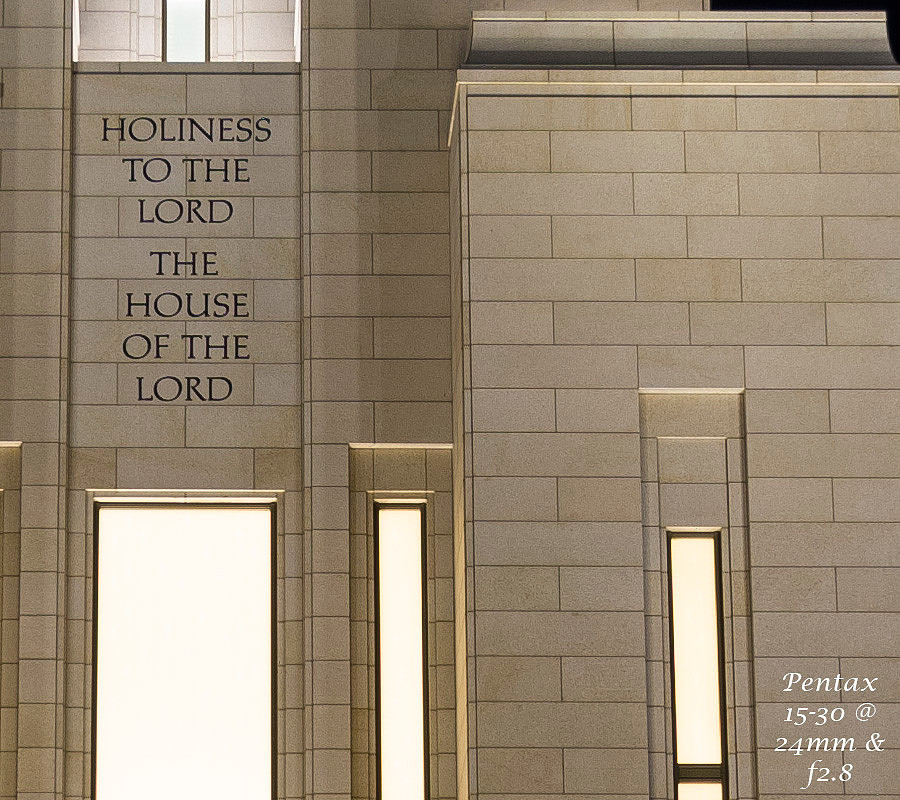
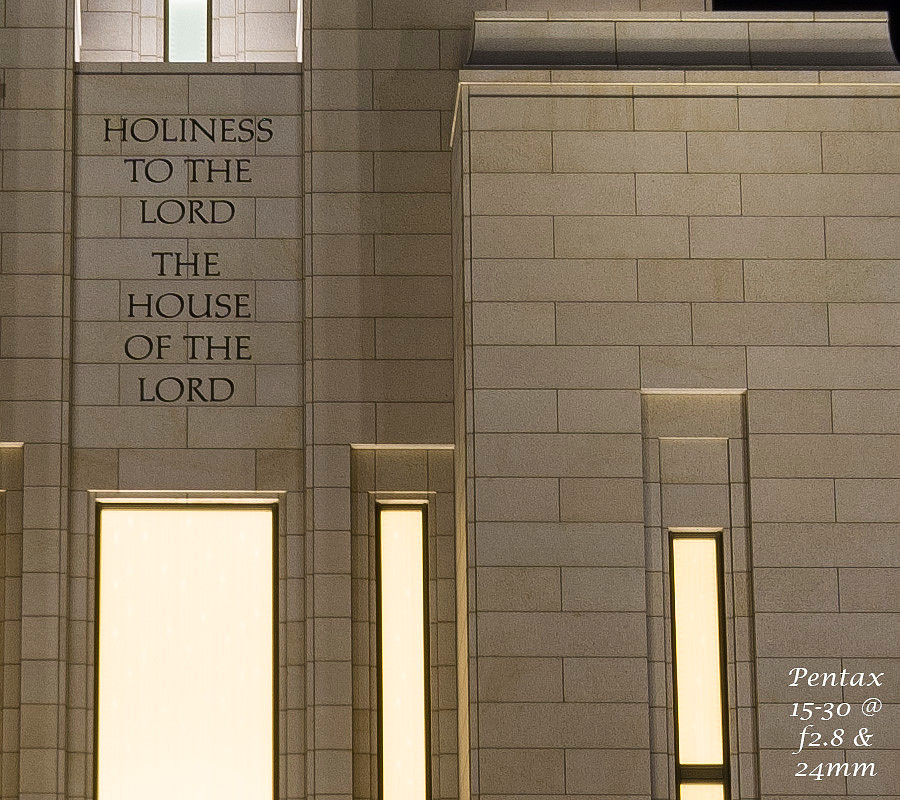
FYI the last one is mislabeled and was at f8. Looking closely you can see the 15-30 has an edge, with the K 24mm close behind and the Sigma definitely last.
Here are crops of the steeple which shows the very stark differences closer to the edges. All at 500x500.
K24mm @ f2.8, you can make out the lightning rod, but there is smearing/astigmatism on the brighter spots.
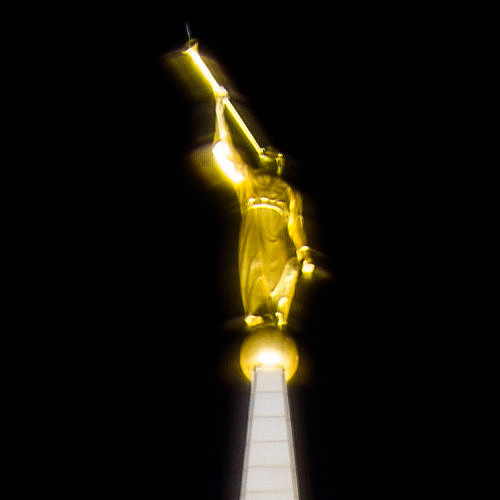
Pentax K 24mm f2.8 at f8 better but not as good as the Pentax 15-30
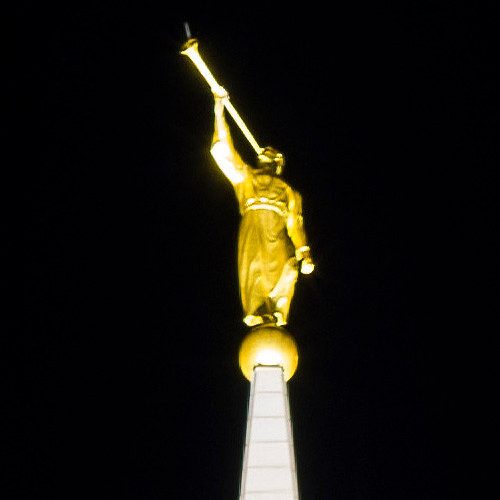
Sigma @ 24mm & f2.8, much less sharp and even more astigmatism
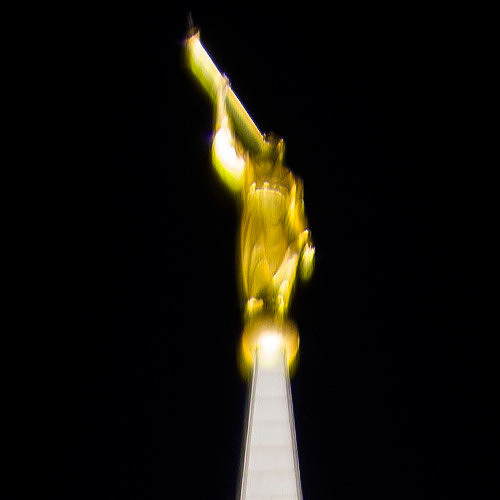
Pentax 15-30 @ 24mm & f2.8
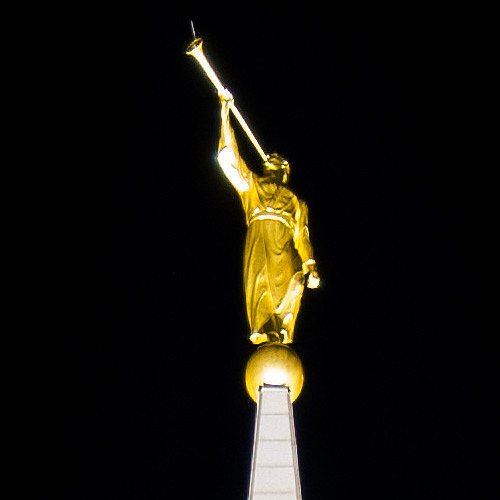
Pentax 15-30 @ 24mm & f8 best of the bunch.
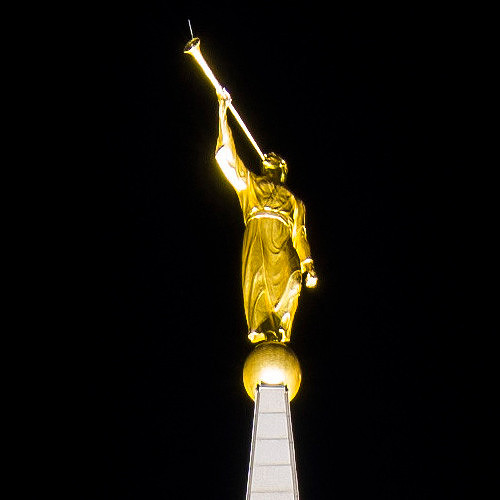
Next portion of comparisons: Point light sources.
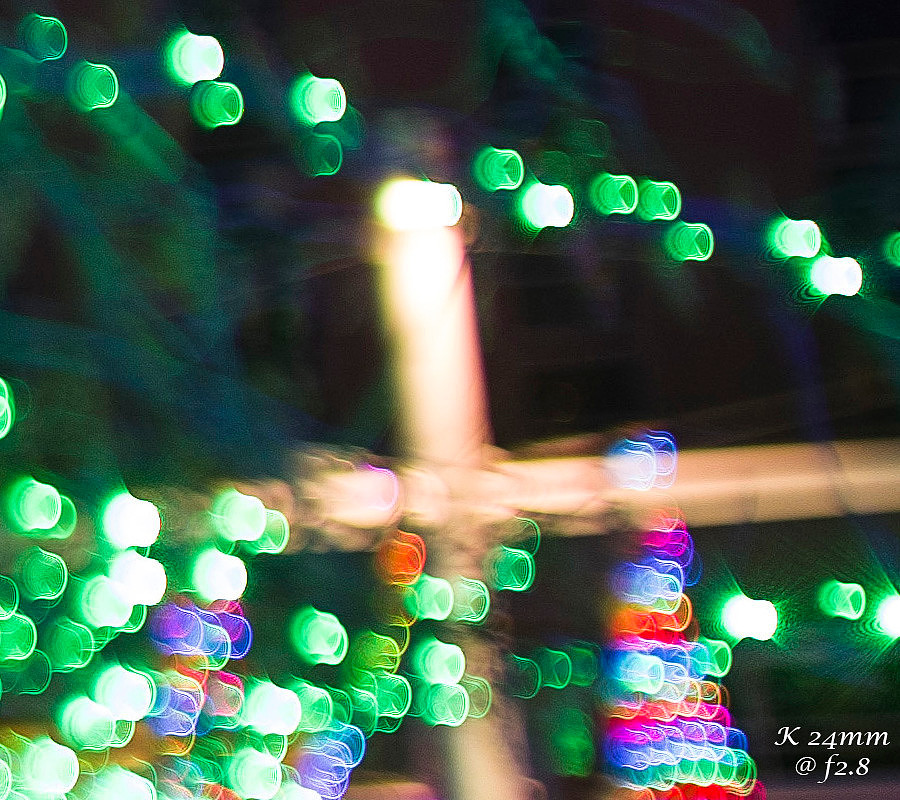
Point light sources in the frame can be rendered very differently by different lenses. Based on the number of aperture blades, focal length, distance to the light source phase of the moon, who knows, etc... Frequently in movies you will see distant lights rendered as large balls of light when the lens is wide open, in some photos you will see them rendered as starbursts when the lens is stopped down. My goal with this series of photos was to see how the K 24mm rendered them at different apertures and when the focus point in changed from up close to longer distance. This first Set is @ f2.8 and focused on the bark of the tree. The second photo is a crop of the center of the image and the third on the far right edge. The crops are either 900x900 or 900x800 so you are seeing a full resolution image on screen, depending on the screen you are viewing them on. Notice the shape of the lights on the far edge image, that is fairly extreme in appearance. As a side note, once I got this whole series of images on the computer they were a little dark so they all got +1 of exposure compensation but otherwise no editing.
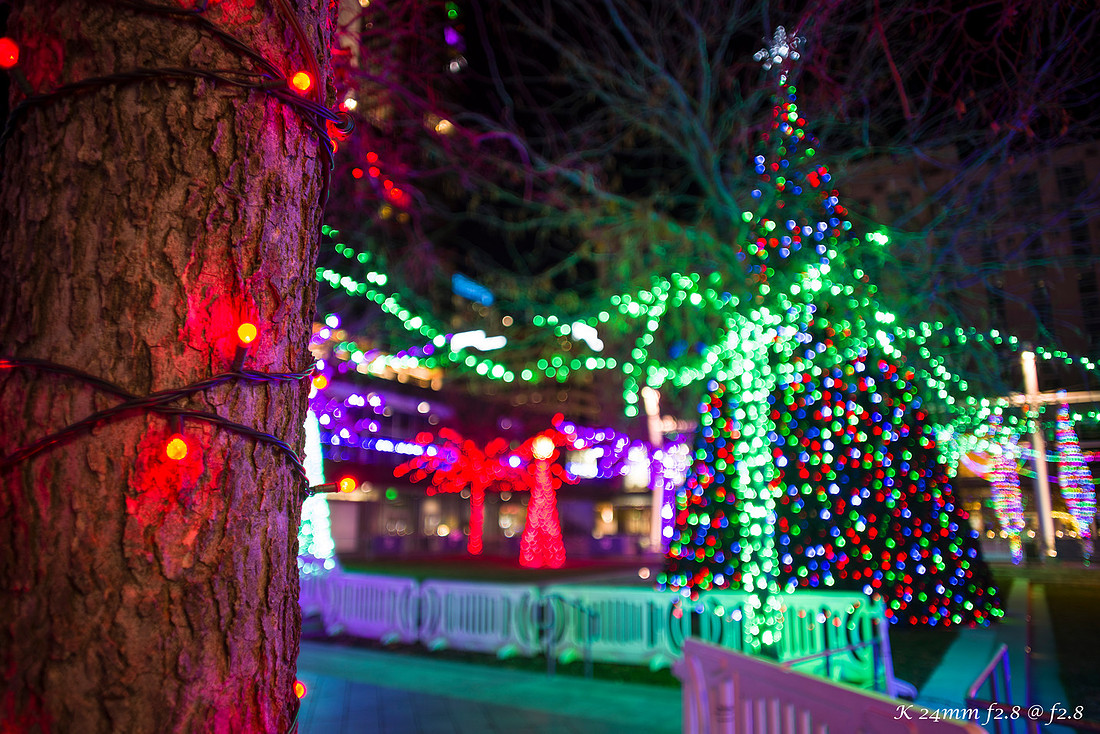
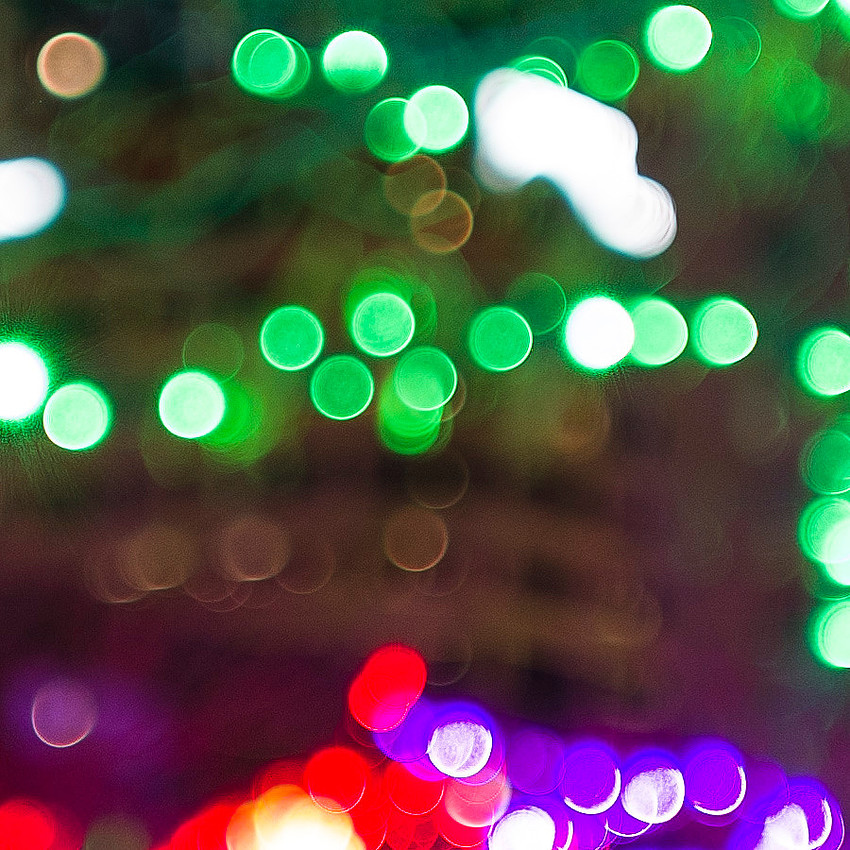
The only thing changed with this group was stopping the lens down to f11 and increasing the shutter speed accordingly. DOF improved and you can see the starbursts in the distance. Note the edge of the frame photo.
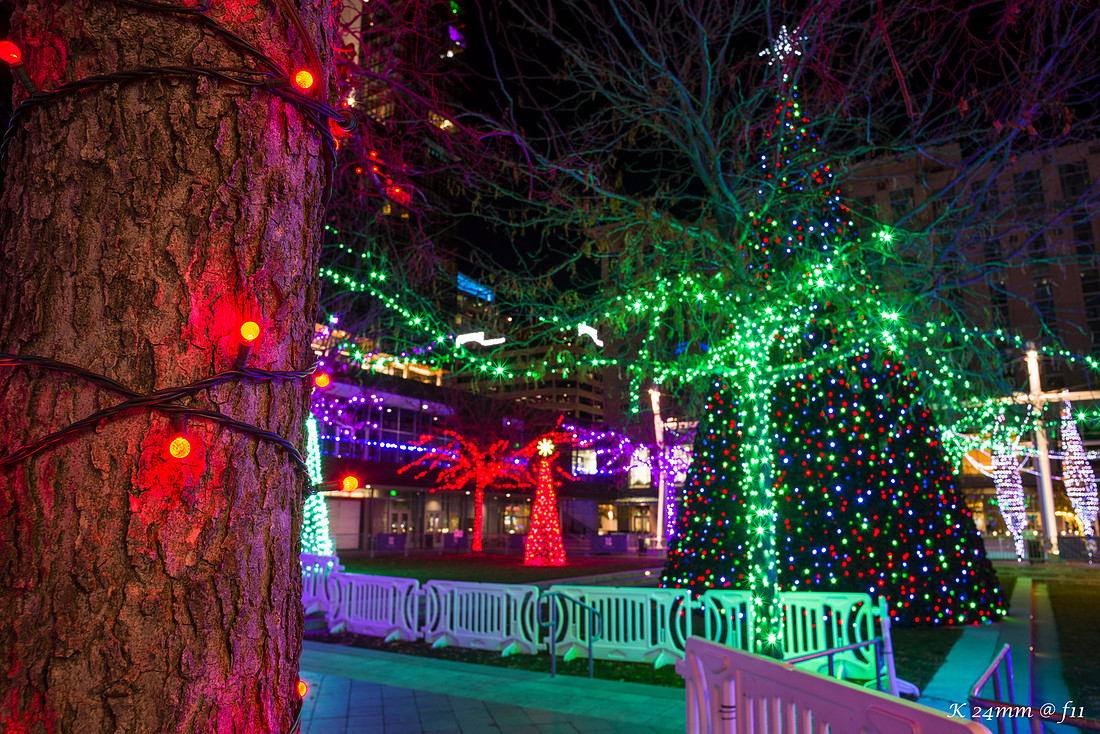
This lens has a 5 bladed aperture, and you can see the effect on the starbursts.
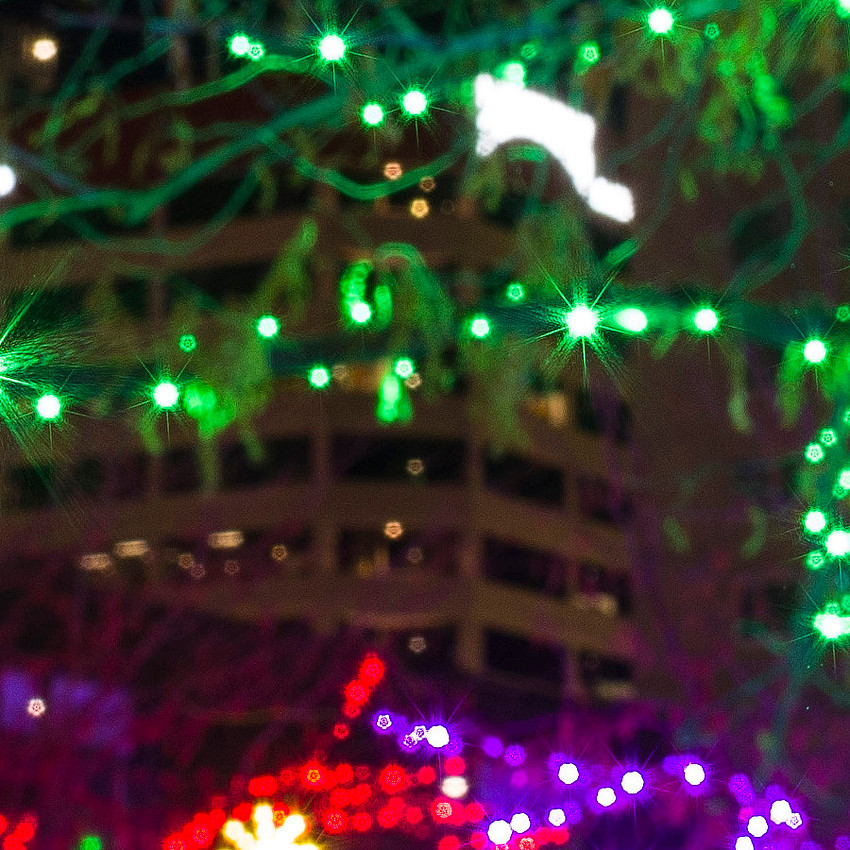
These look very similar to the center now.
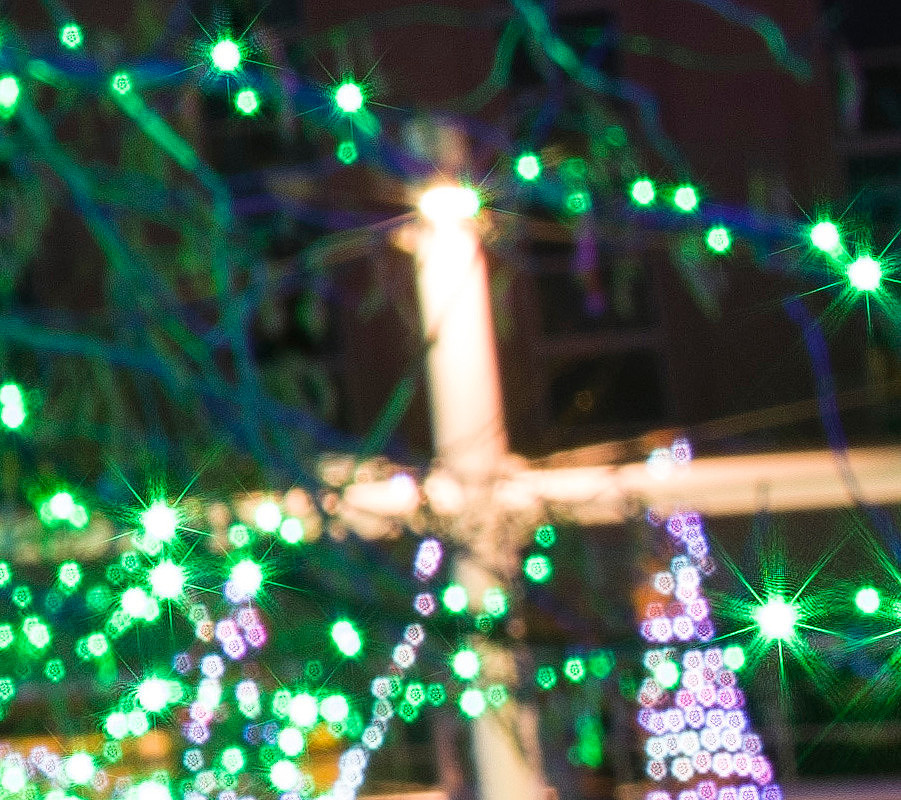
Now with the focus point moved to the infinity marking on the focus ring, things change quite a bit as well on all images.
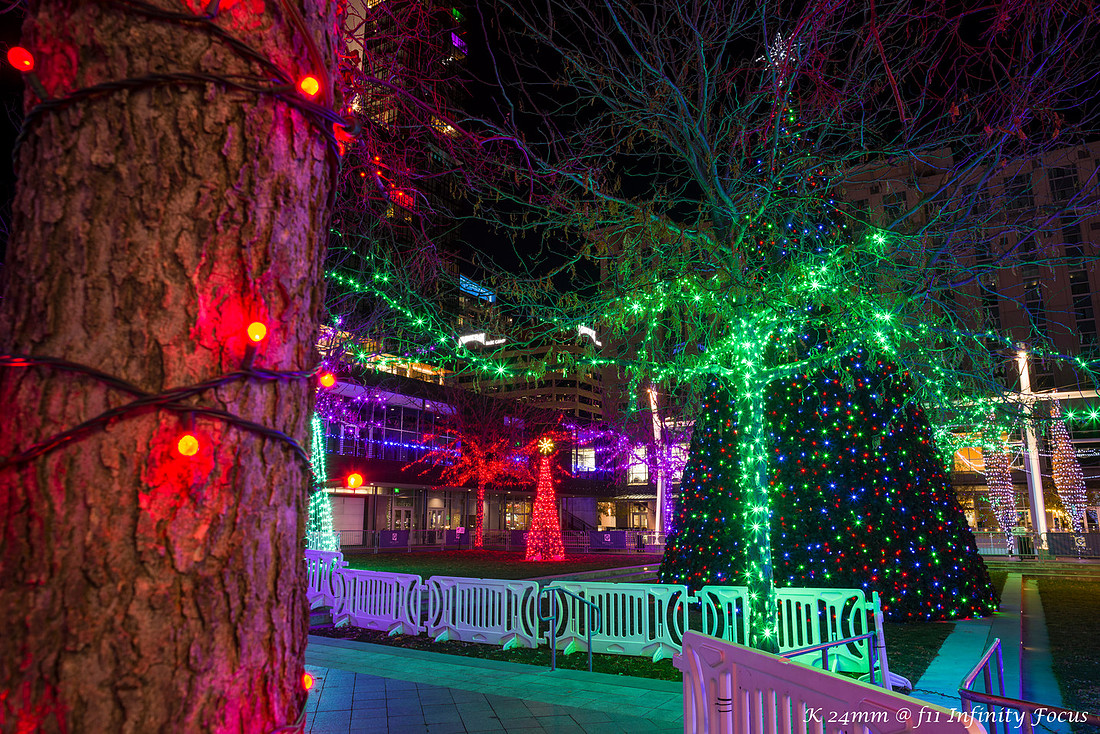
The starbursts even out a lot and look quite good to me!
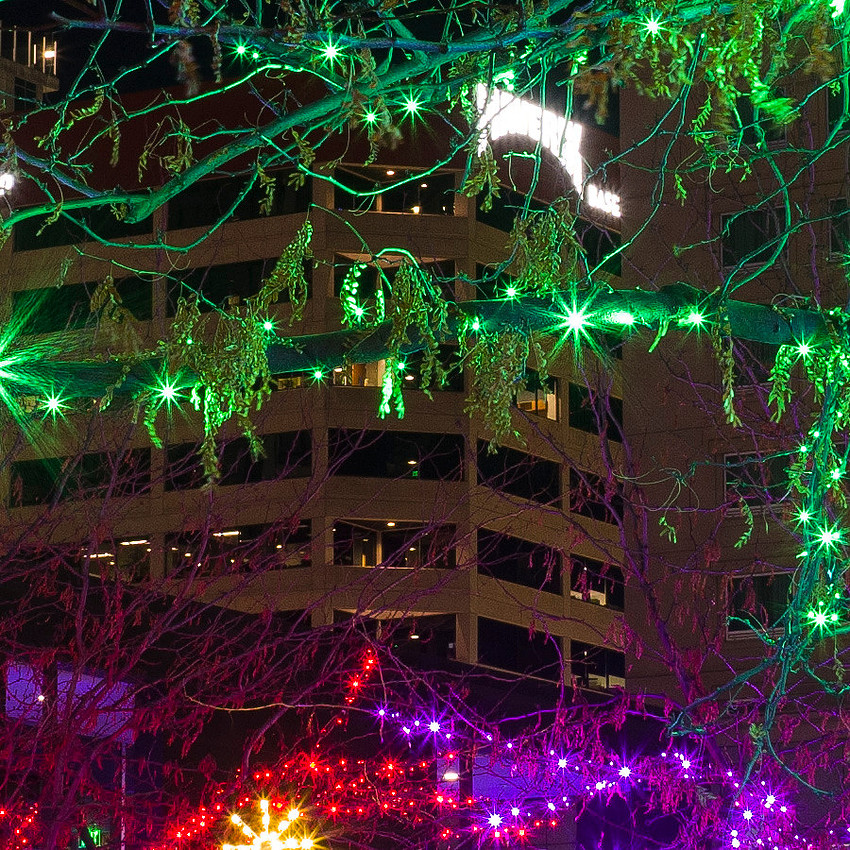
Even at the far edge things are quite sharp and the starbursts look good to me.
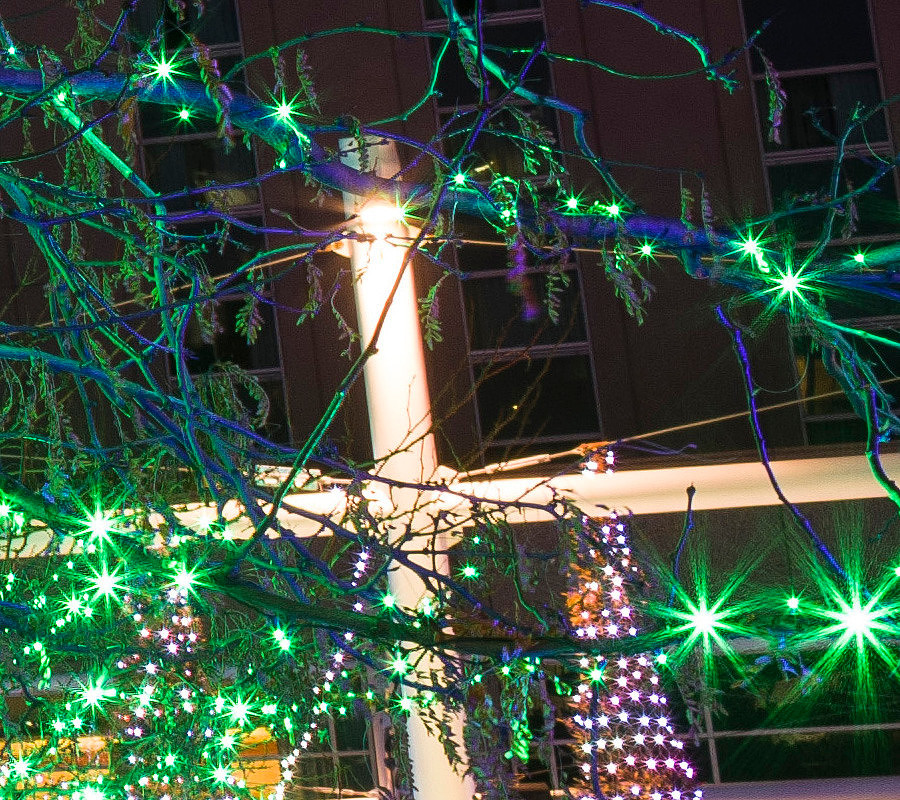
I opted to forgo the Sigma 24-135 images, they are worse than the K24mm. As usual they can be available upon request.
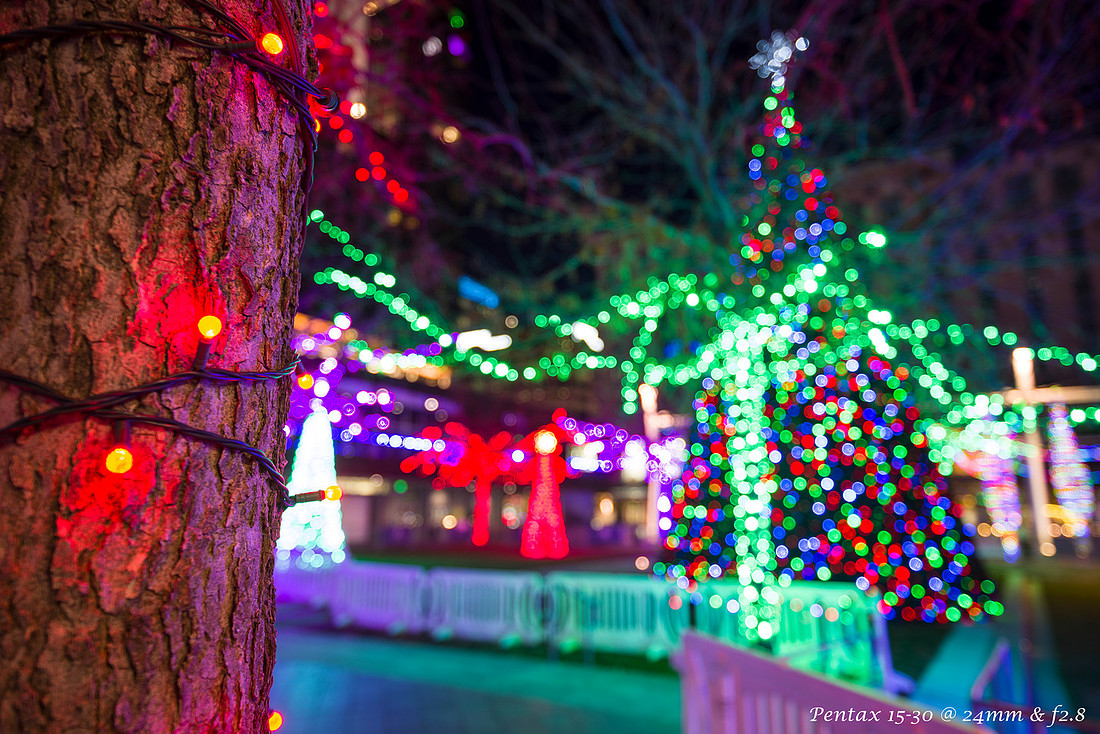
Now for the Pentax DFA 15-30 f2.8 which is significantly different than the K24, most especially in the edges the light balls remain circular and are much more homogeneous, just what I would expect for a modern lens. I tried to have the same focus point as the K24, I think I got it pretty close. Another point to remember is that there is a different level of distortion between the two lenses, the 15-30 is not supported in my old version of PS so unless it is critical that I correct for it, I just let it stay there. If it is critical I process the DNG file to a TIFF in camera where I can apply the built in corrections.
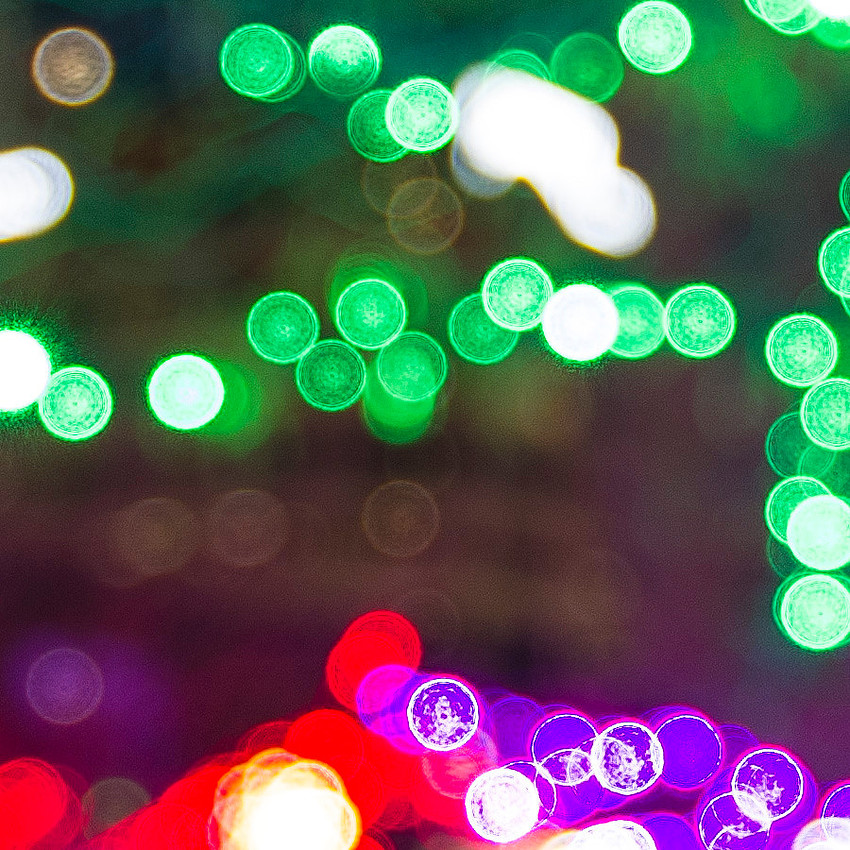
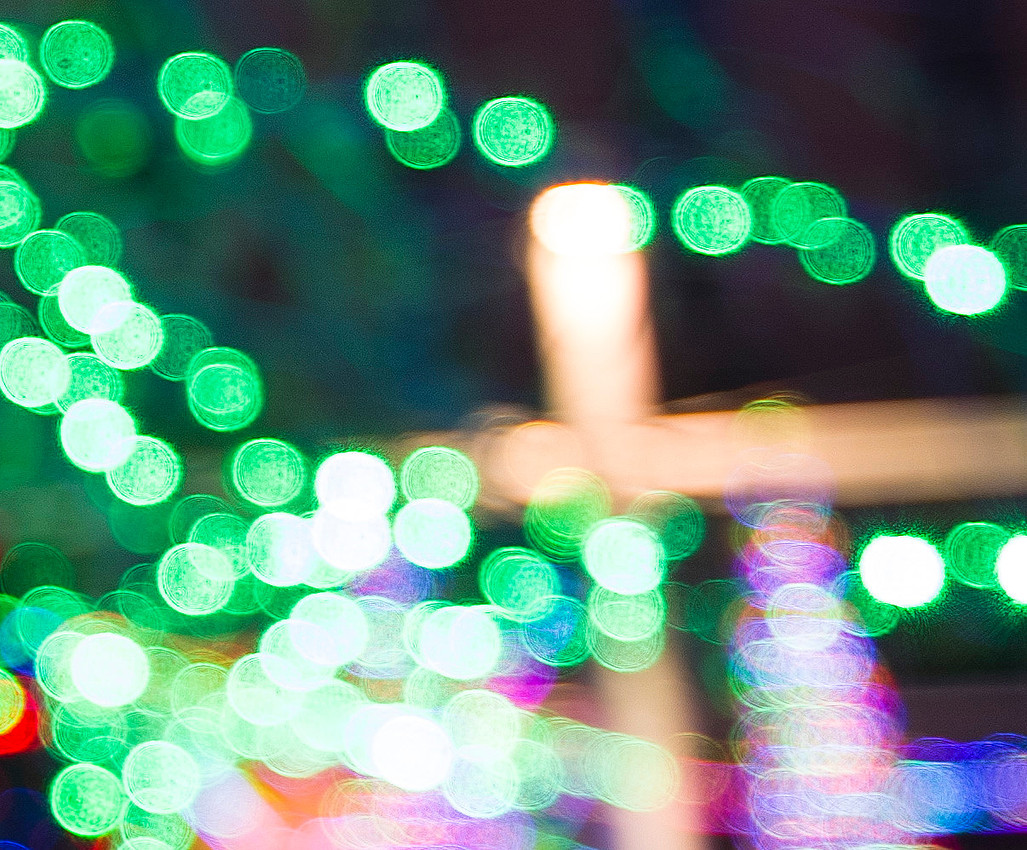
Now at f11, same focus point.
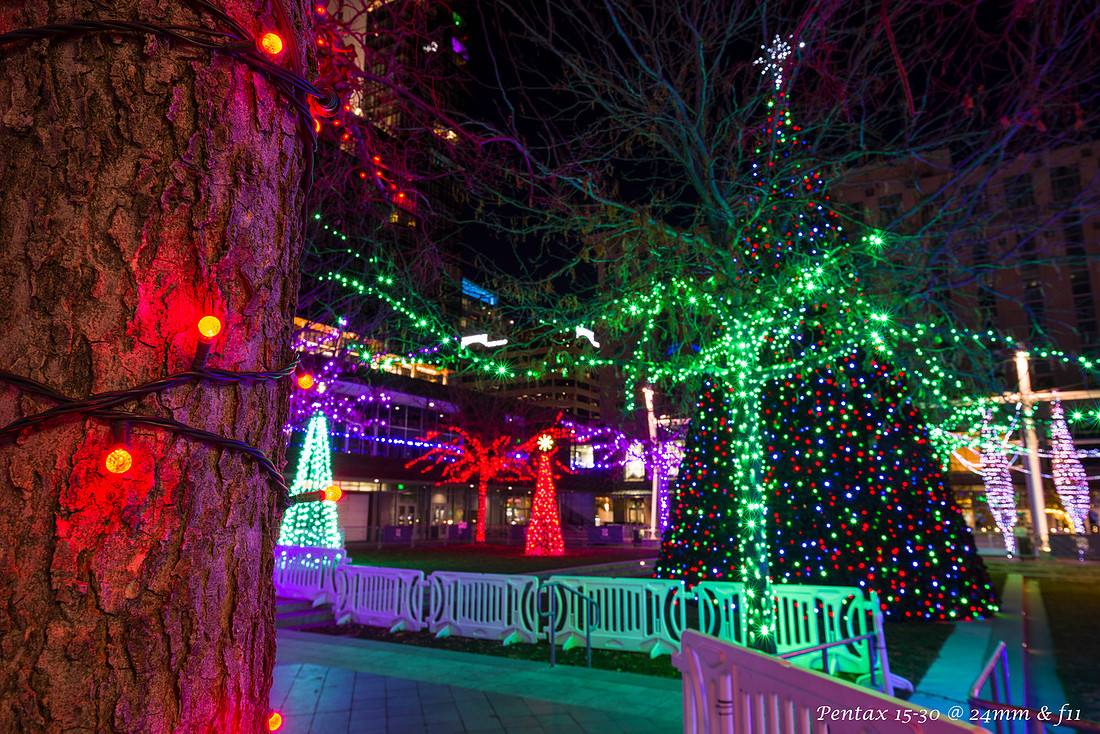
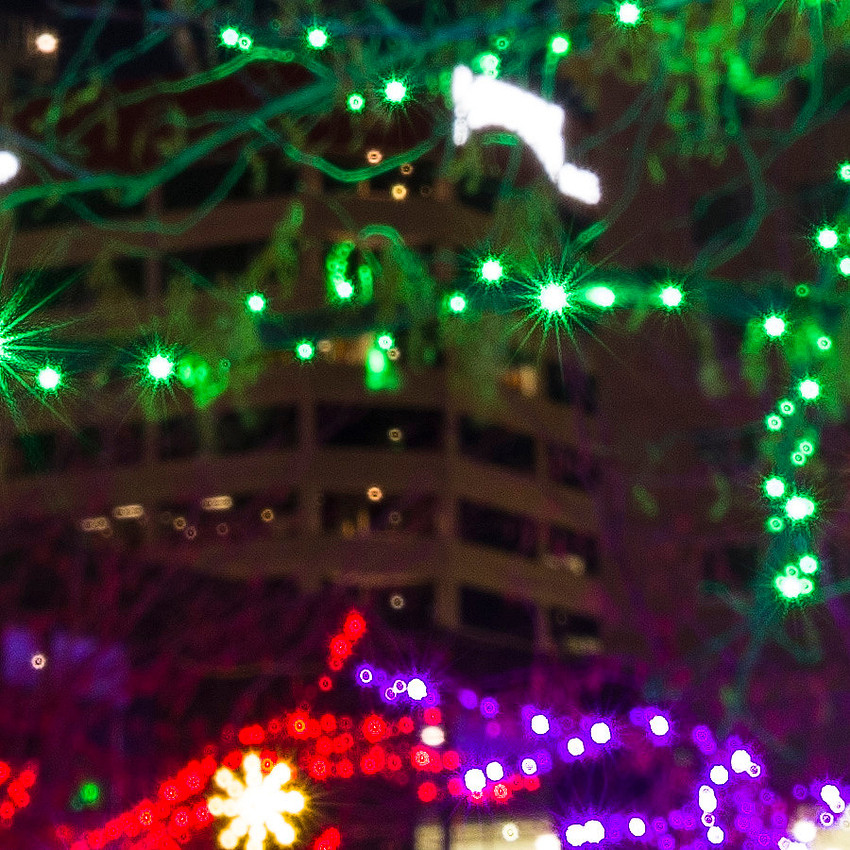
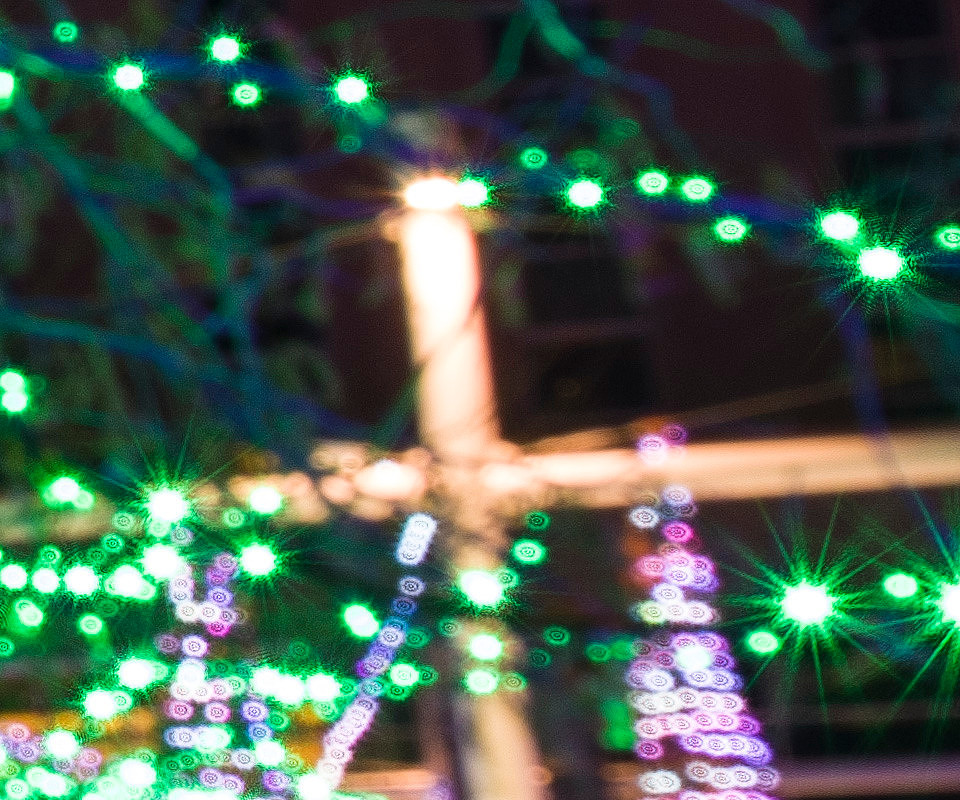
Now at infinity Focus
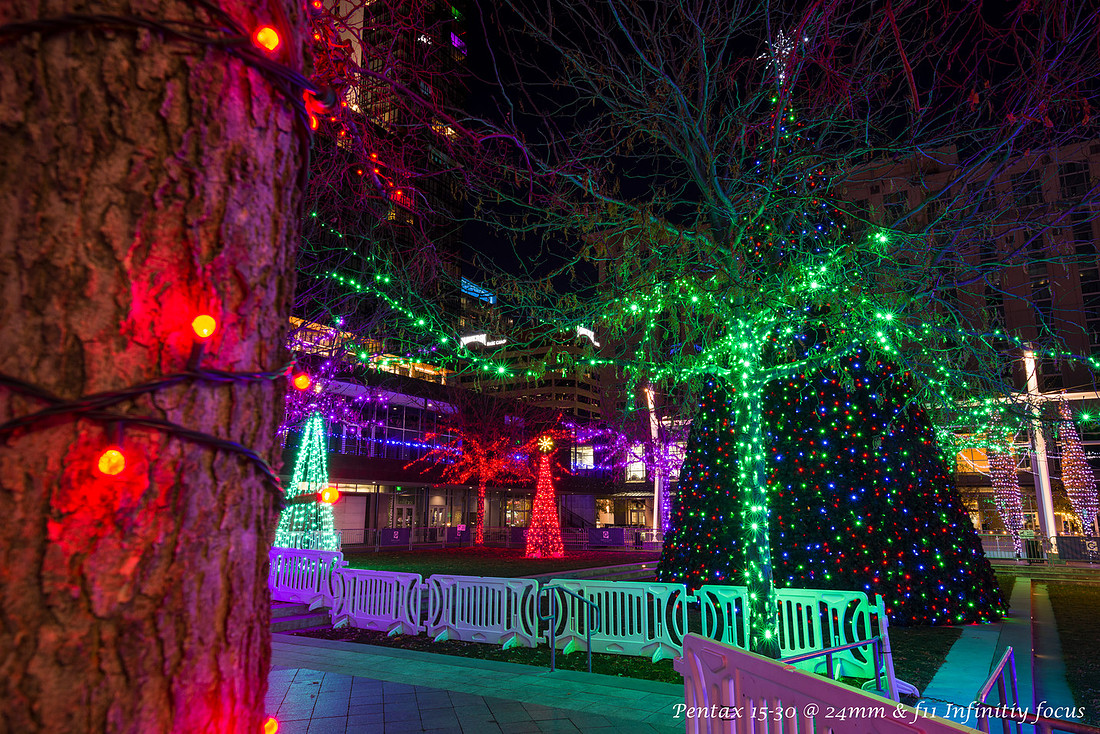
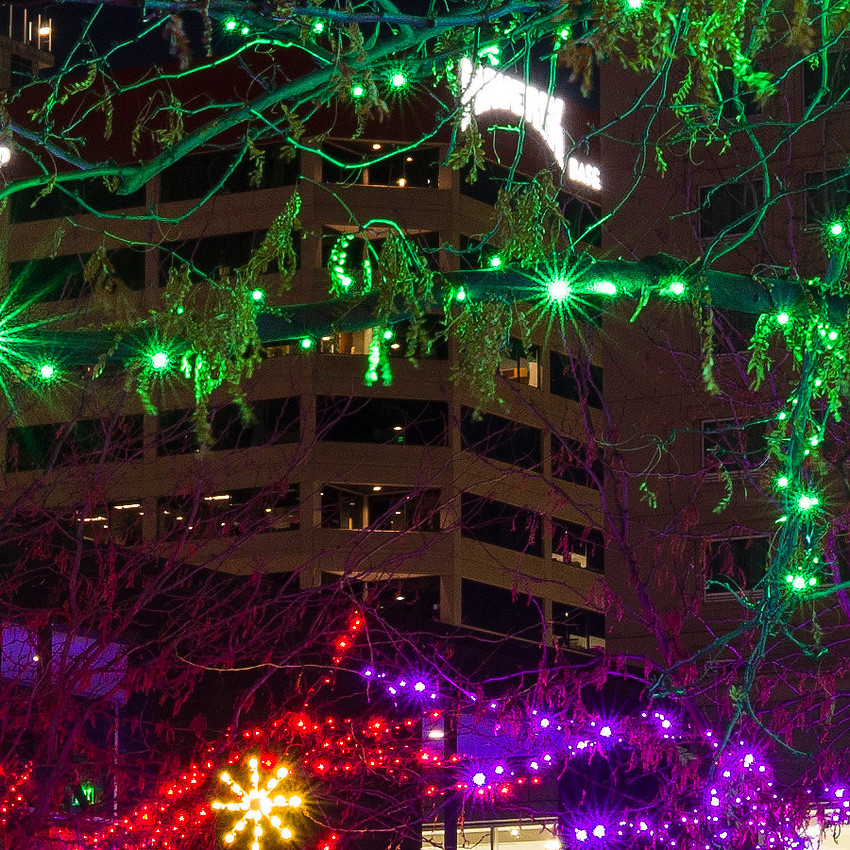
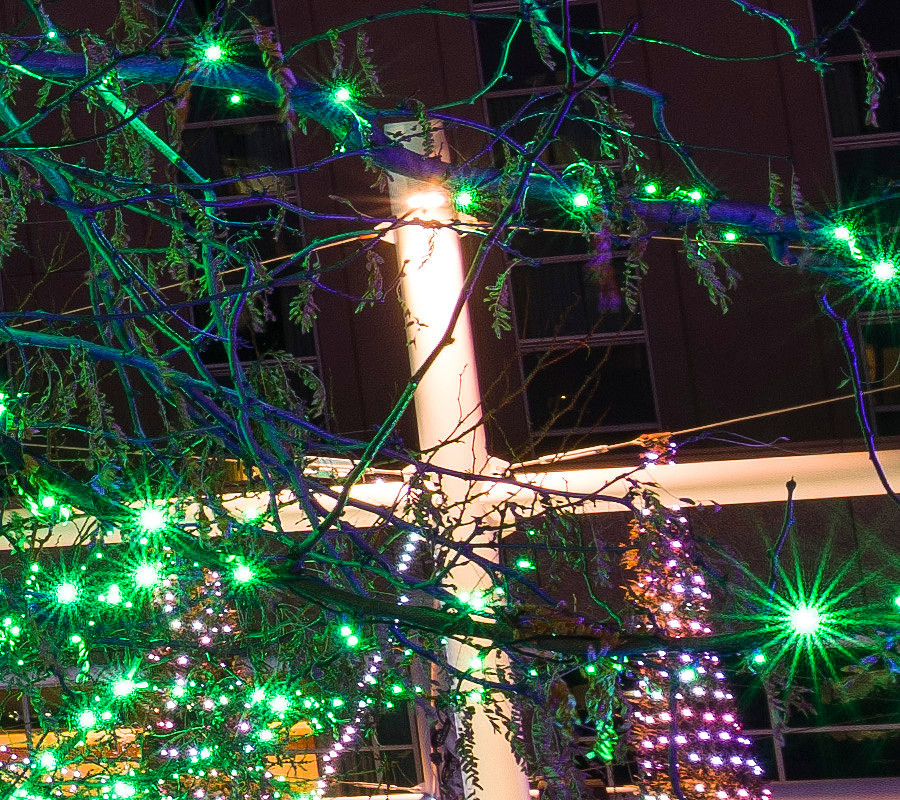 Overall, as expected, the 15-30 f2.8 produces, in my mind, a better quality image and more pleasing starbursts that are more symmetrical, that said, the K 24mm f2.8 is not terrible at all, and the starbursts are unique and the sharpness is good enough. The big difference is the size and weight of the lens, the K 24mm being much smaller and lighter, the 15-30 much bigger and, you know, it IS a zoom so there are other focal lengths available should you want them providing flexibility. If I were going on photo safari I can state I would MUCH rather carry this lens than the 15-30 for a full day adventure.
Is the SMC PENTAX 1:2.8 24mm a good lens? In my estimation yes, absolutely especially for the time it was manufactured. Does it have weaknesses? Yes, off center sharpness wide open is not so good and edge sharpness is definitely not good. It IS manual focus and manual aperture so you have to do more to use it on the camera than an autofocus lens, but that is a split benefit, where yes it is more work to use, but it also puts you in complete control not the camera, that I do like. It is not a dog of a lens and will definitely be a desirable lens to grab if I plan to go out for street photography.
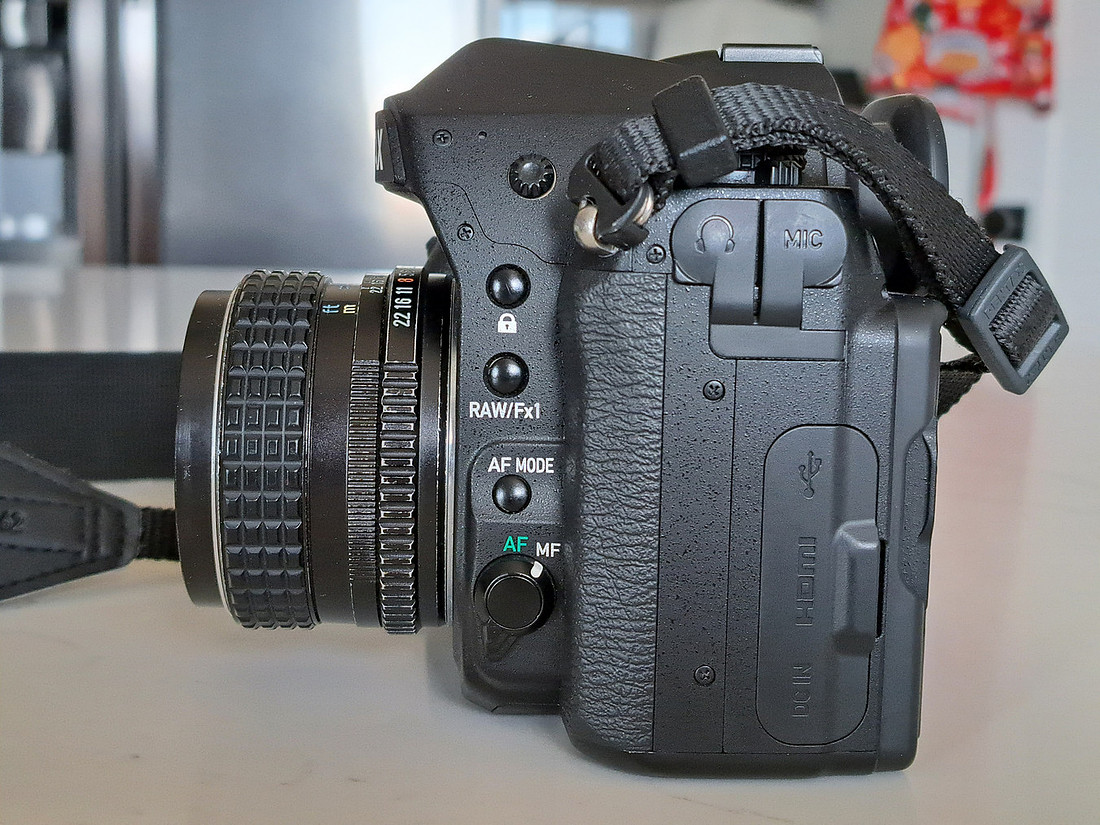
Here are a few quick cell phone shots for size comparison. Amazing how much smaller it is!
As always, thanks for reading and appreciate any comments you may have!