Let's Focus More Closely on the SMC PENTAX 1:3.5/28 lens

My most previous post to this one came about as a off shoot of preparing for this post, asking a fellow Pentaxian for a lens to compare this one to and getting a BUNCH. You really should read that one before reading this one otherwise you may be a little lost here.
I started specifically taking a few comparison photos in late November with this lens, also known as the K 28mm f3.5 and the M series 28mm f3.5 that was recently given to me and was the next generation of this lens. Designed to be smaller and more compact the M series is well loved and regarded as being quite good optically, with some of the lenses regarded as being optically not as good as their predecessors in the K series. Having the opportunity to test the K and M head to head on the same camera and at the same time was exciting and intriguing to me. I can appreciate a smaller lens, I freely admit that the K1 is a chunky monkey of a camera and a smaller lens can help make it less unwieldy. But, I would not trade it for mirrorless, the ergonomics with a bigger lens are just terrible.
FYI, I will not put any suspense in this post at all, I really treasure this lens, it has its quirks, the edges can be iffy at times, but it is very sharp in the center and middle portions even wide open at its modest aperture, the edges sharpen up nicely when stopped down, it provides good starbursts when stopped down and there is a proper light source to induce it. And it is a good sized lens, not too big, not too small it handles well and the K1, and my old K5, balance well in hand with the lens mounted. It handles light on the front element reasonably well.
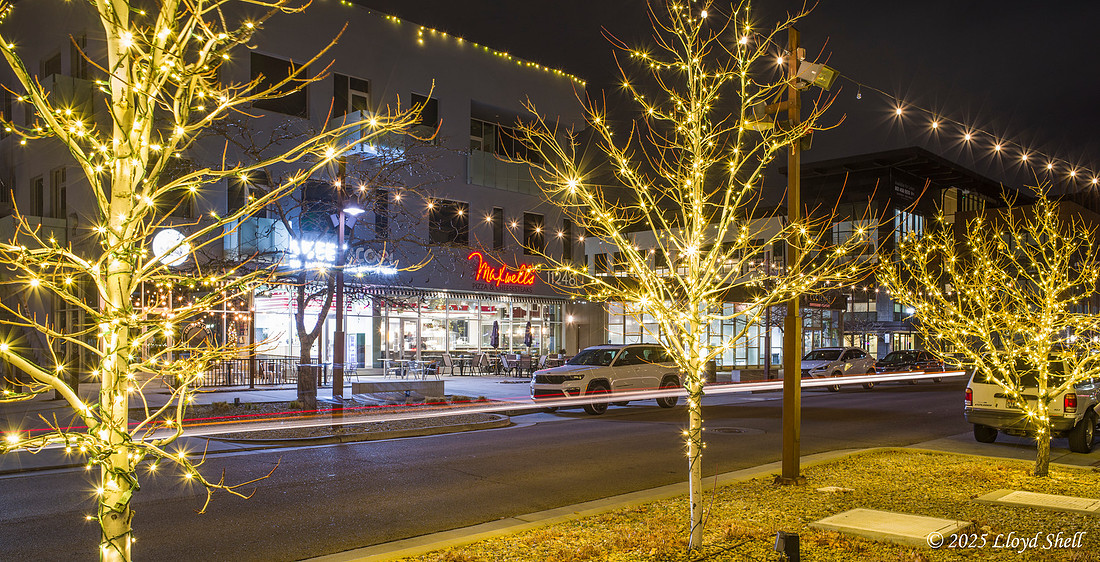
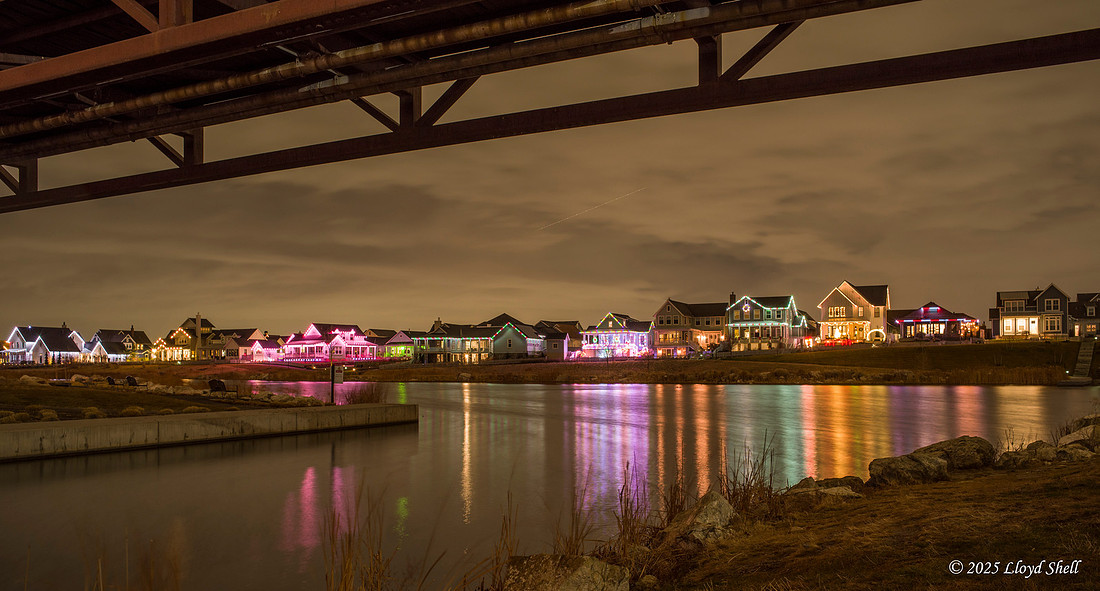
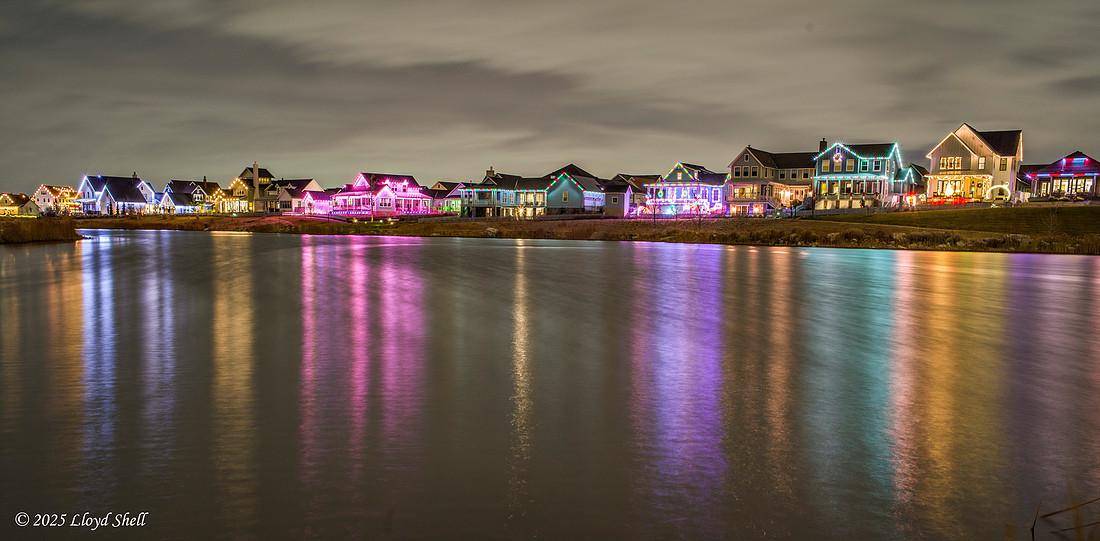
I took these two lenses and my DFA 28-105 as a trio to compare performance to a local park with lights in the town I grew up in called Draper, UT. Initially, I just wanted to look at the effect of different apertures close to infinity focus.
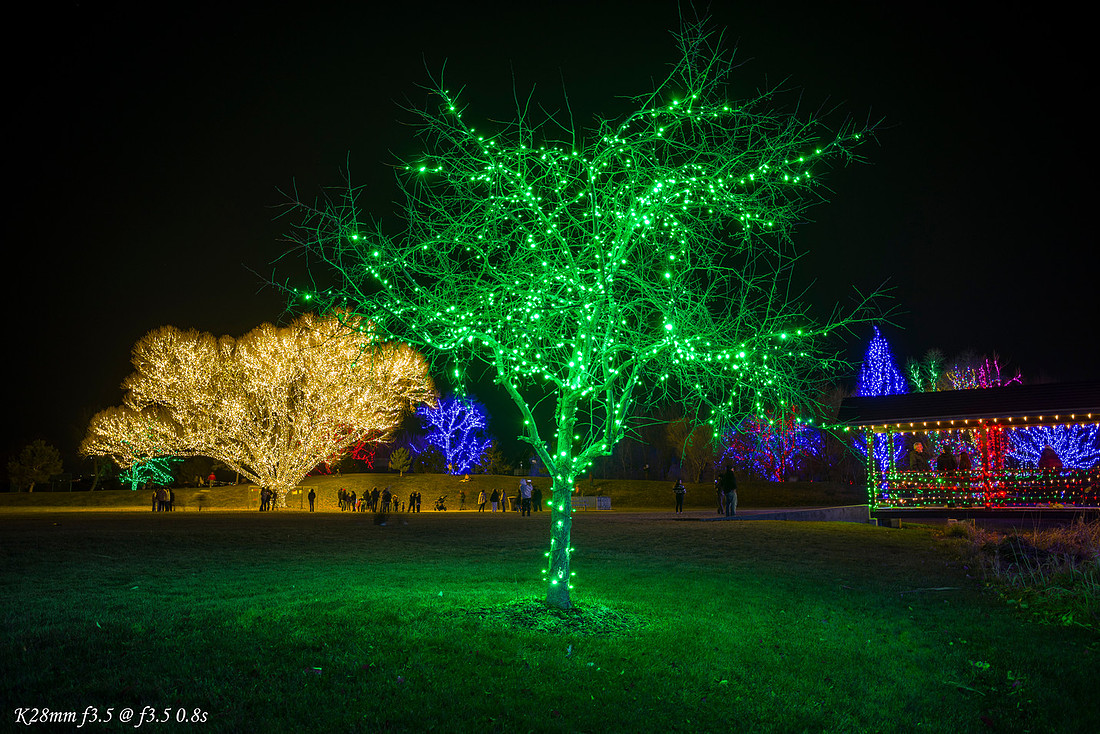

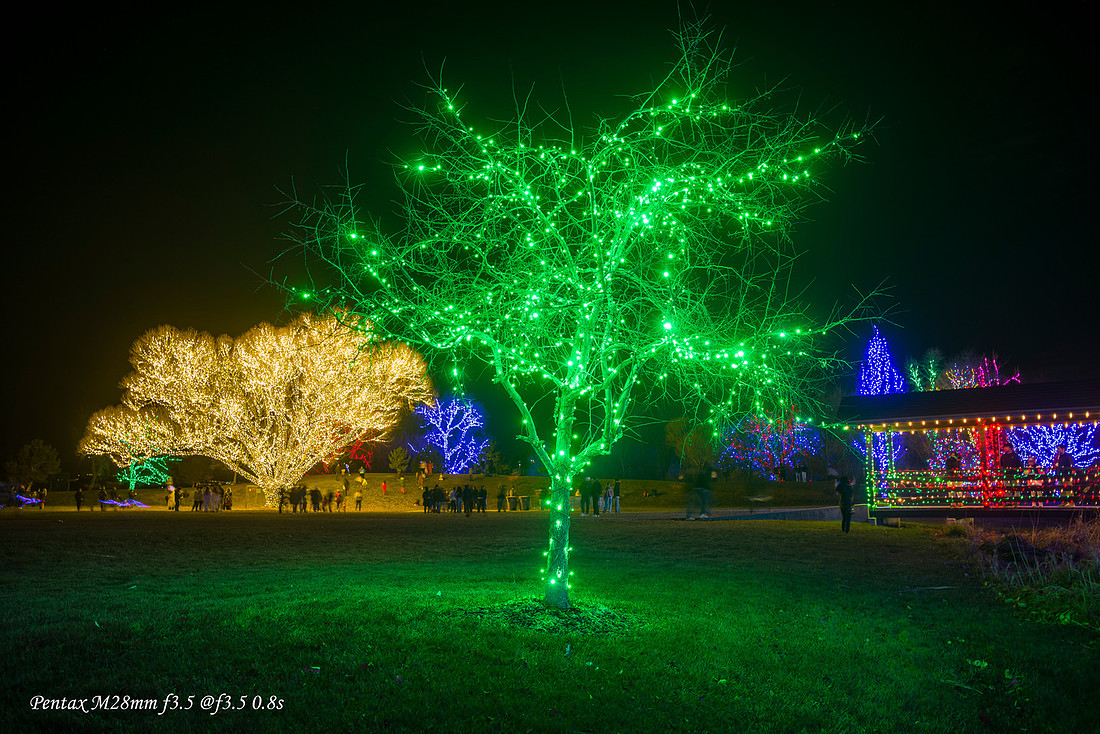
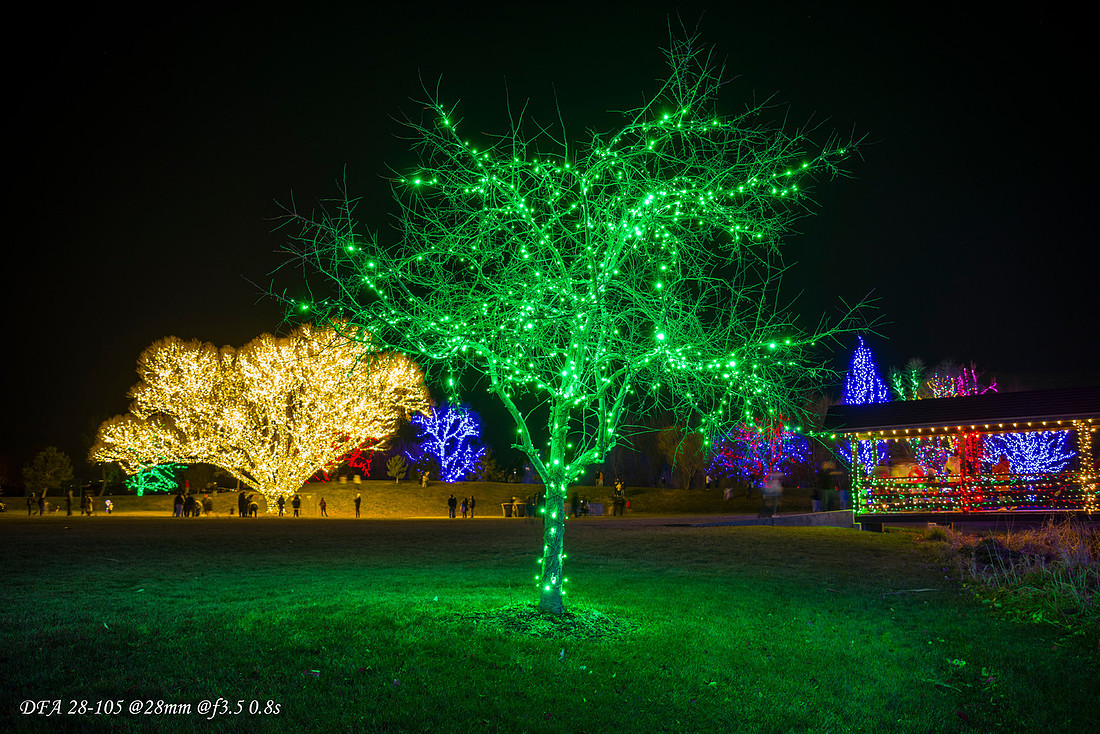 Centrally all three were really more than acceptable and provided good color and sharpness with the M being a little dreamy and less contrasty. The edge is where things varied significantly.
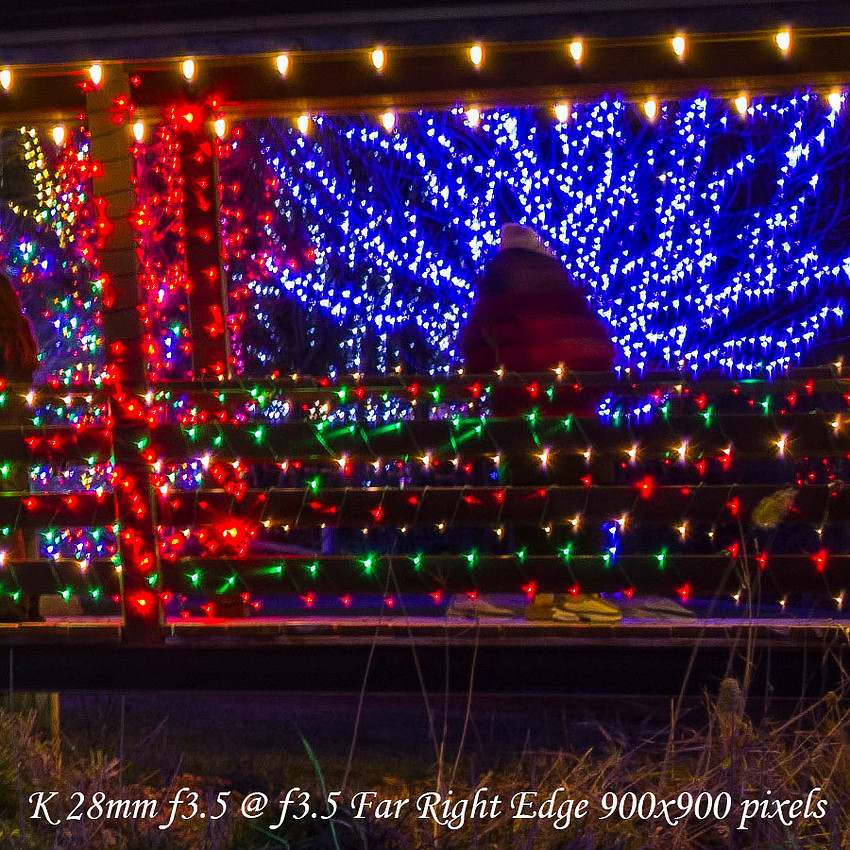
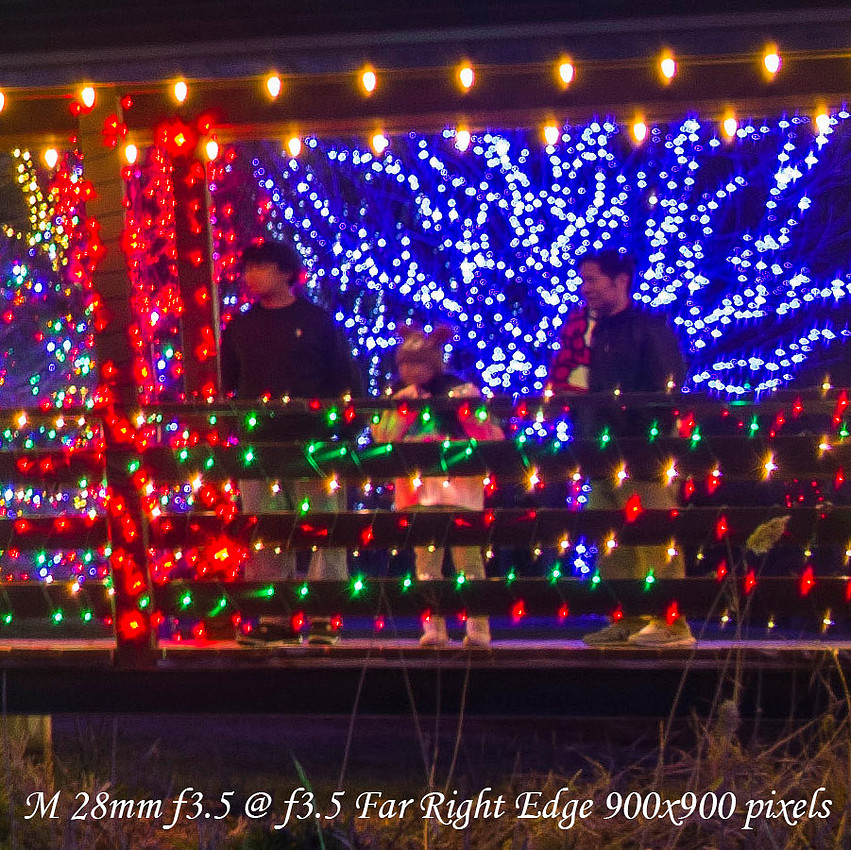
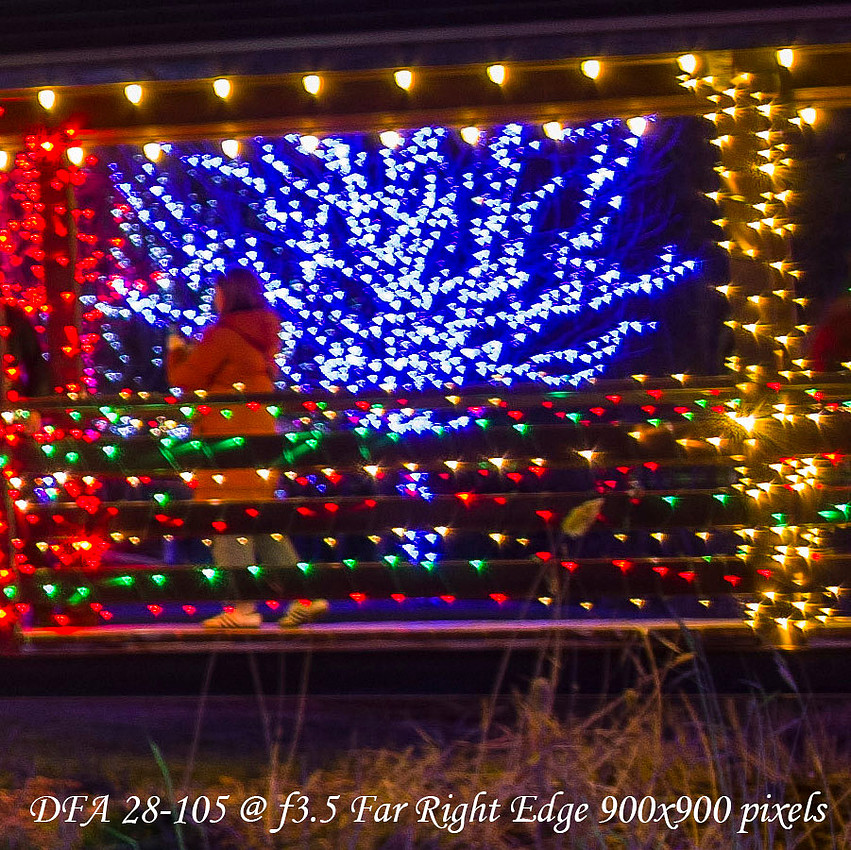
The shape of the lights in this edge crop indicates the extent of aberrations and sharpness and has an effect on rendering of out of focus blur. All three lenses are quite different. Surprisingly, based on the results in my last blogpost the 28-105 was significantly worse than the two primes.
For my style of shooting, nighttime photos like this are seldom taken wide open, but are stopped down to f8-16 range and on a tripod. At f16 things change significantly.
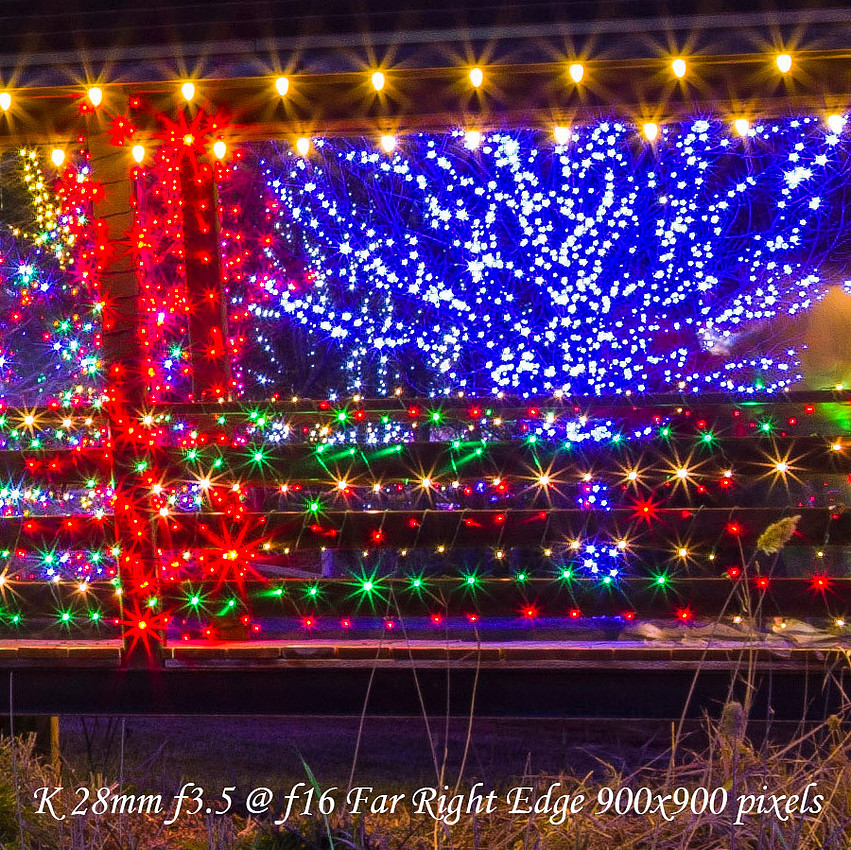
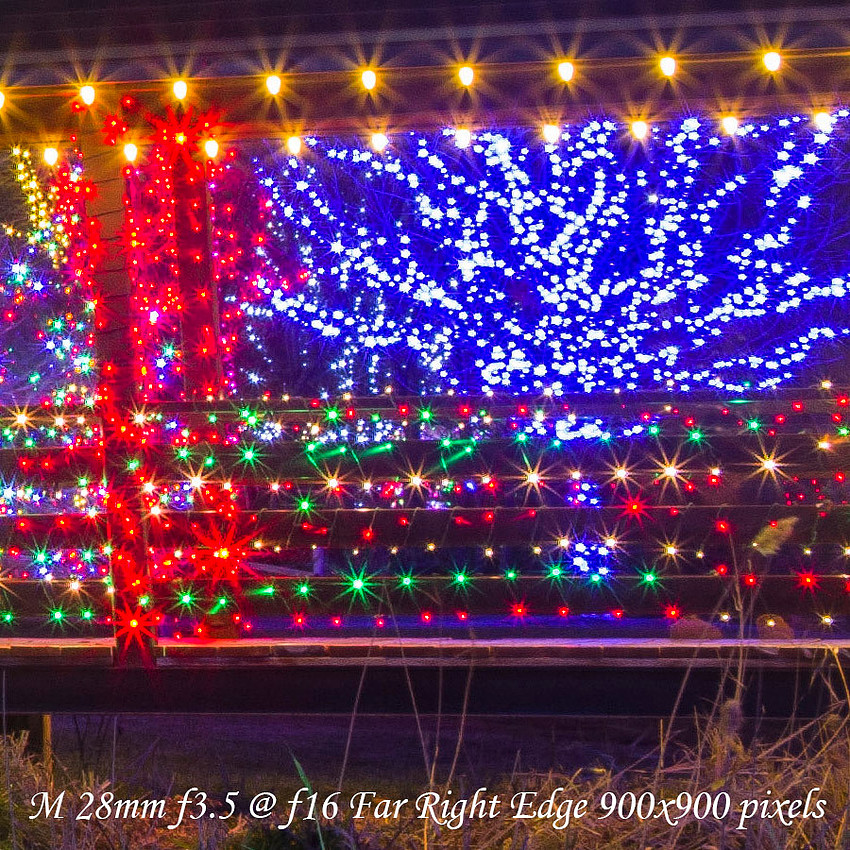
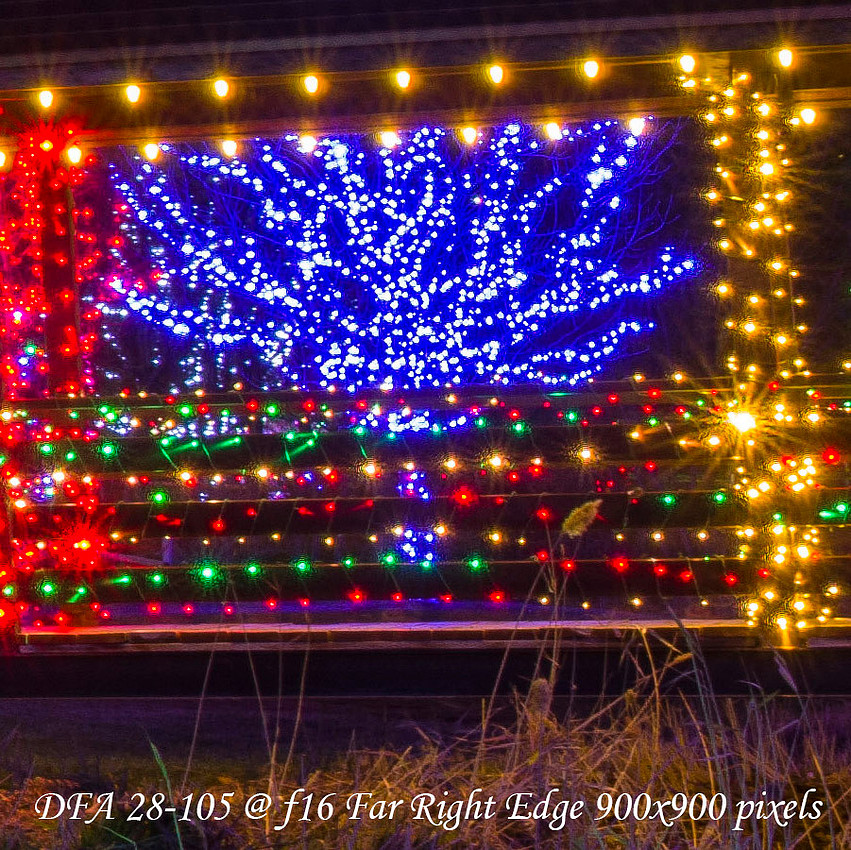
Quite the profound difference with the zoom coming out much more poorly. With the K and M nearly identical though the K seems to have a little more contrast.
Now, I don't want to belabor the comparisons too much, it is much more fun to just show what the lens CAN do. Here are a few photos from the same time but without comparisons (as I didn't take comparison shots.) and others just gadding about town. Which is my preferred MO honestly, grab a manual focus prime, and go walk around, if something looks interesting take a picture.
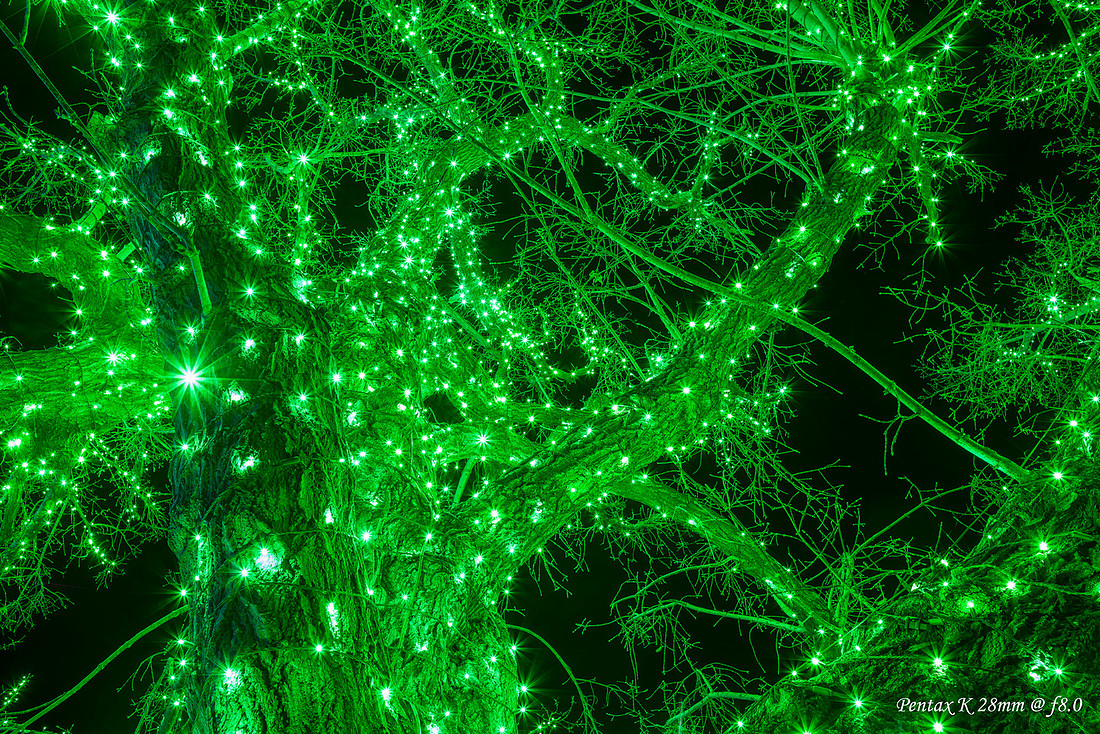
First are a couple more from the park. I do like starbursts in photos and these older 5 bladed lenses give you a 10 ray burst that looks different from many multibladed new lenses, I rather like it. Oddly 6 blade apertures only give you 6 rays and I am told that all even numbered apertures do that while odd numbered apertures give you double the rays as aperture blades. I really wish I knew why.
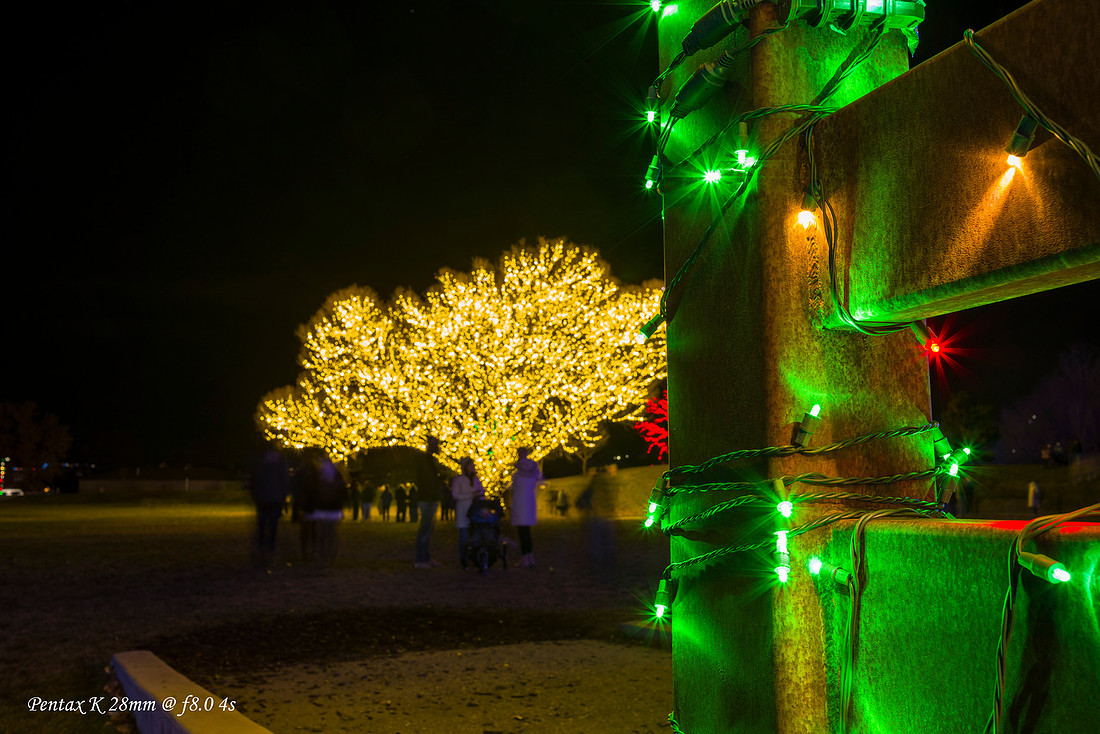
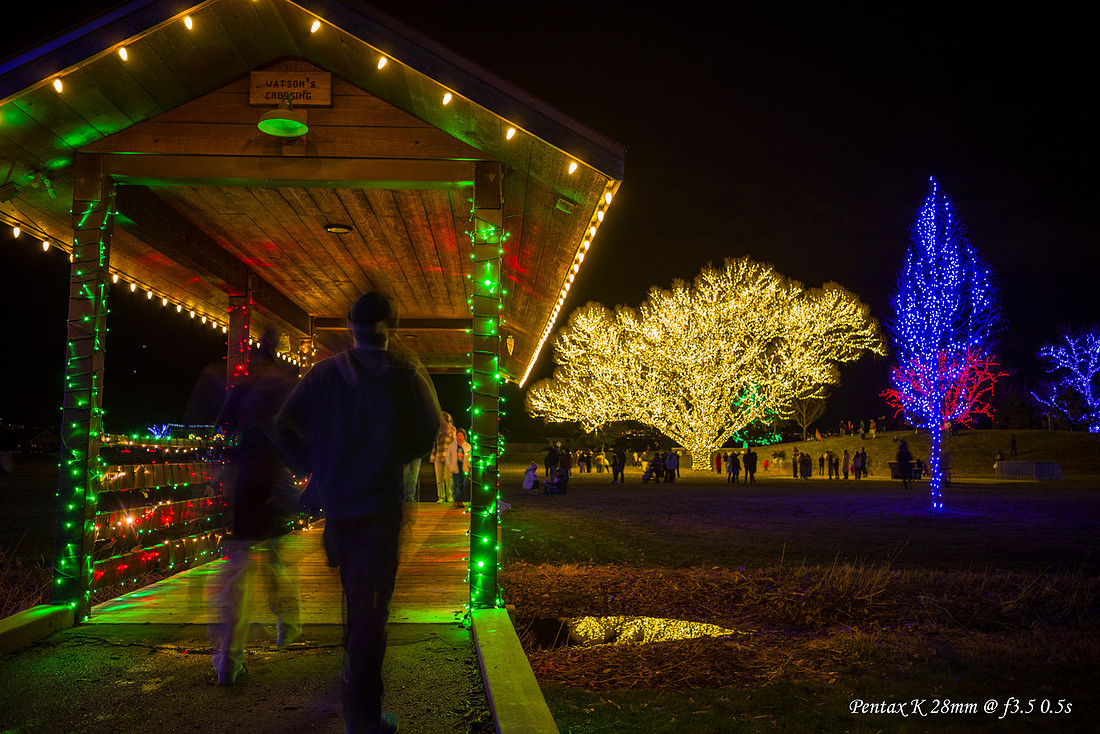
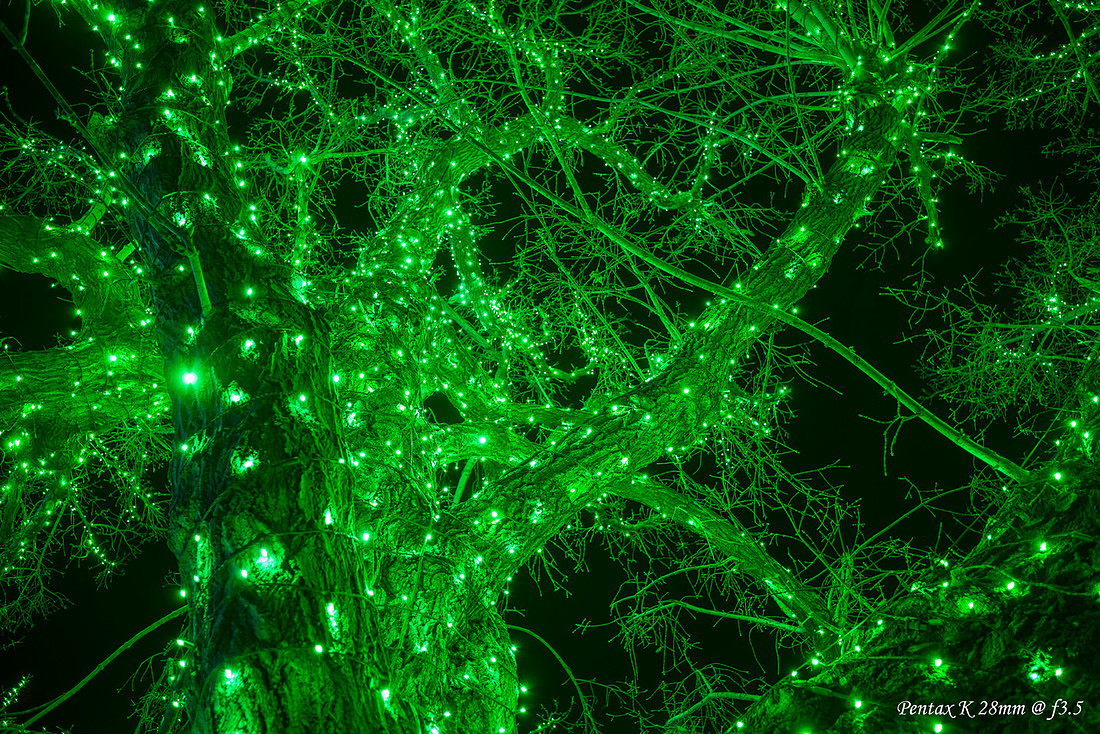
This photo shows in great detail the difference in f3.5 and f8 with this lens. I was quite pleased overall with this lens.
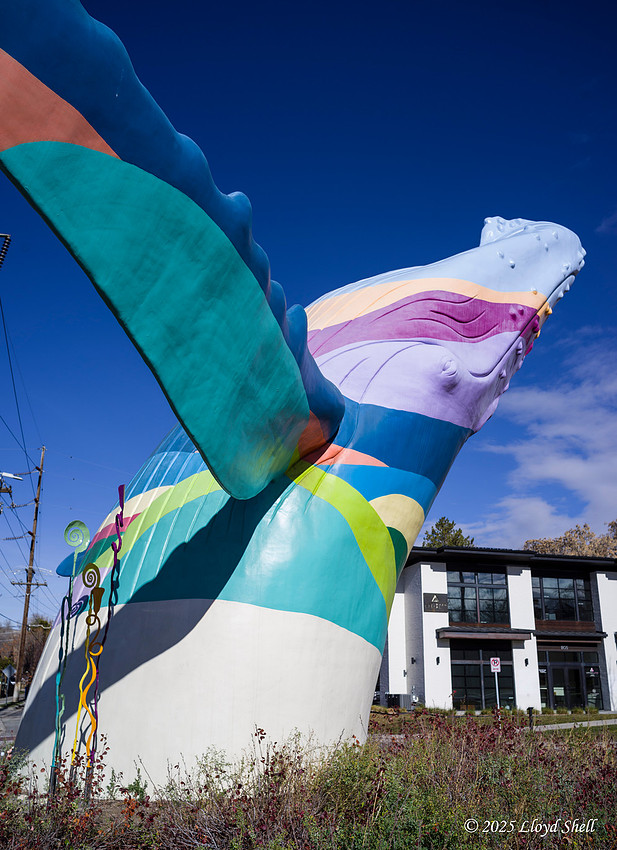
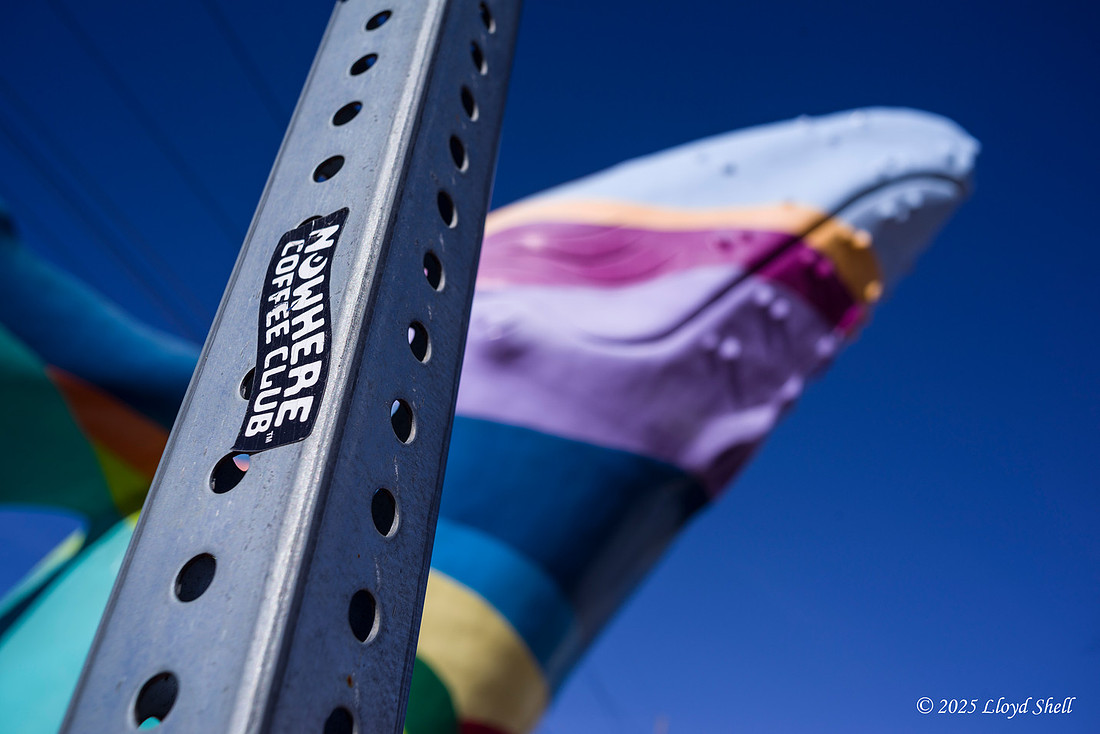
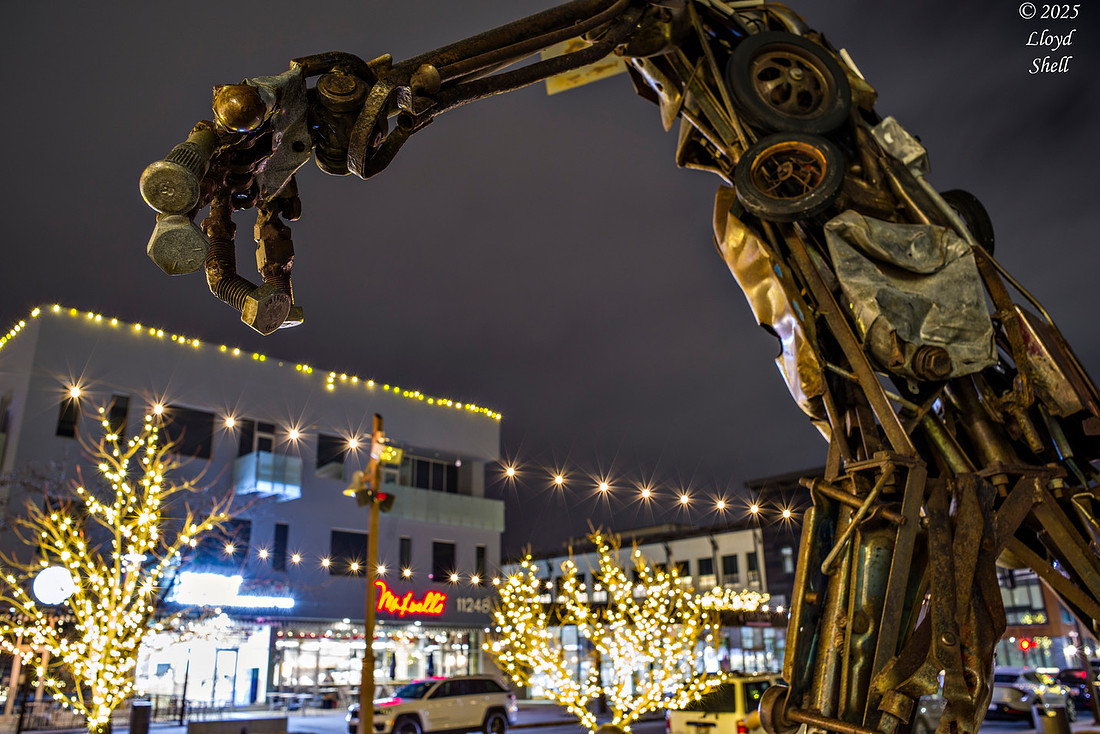
This fun oddity is simply known as "The Whale" it is an art installation inside of a roundabout in south east Salt Lake City. It tickles my fancy in a way I cannot fully describe. When I test a much more wideangle lens I have plans for a nightime long exposure.
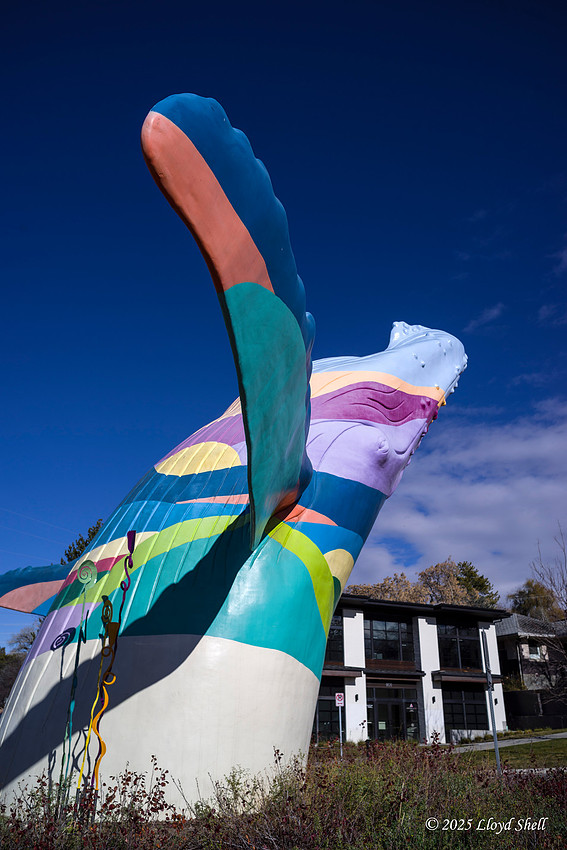
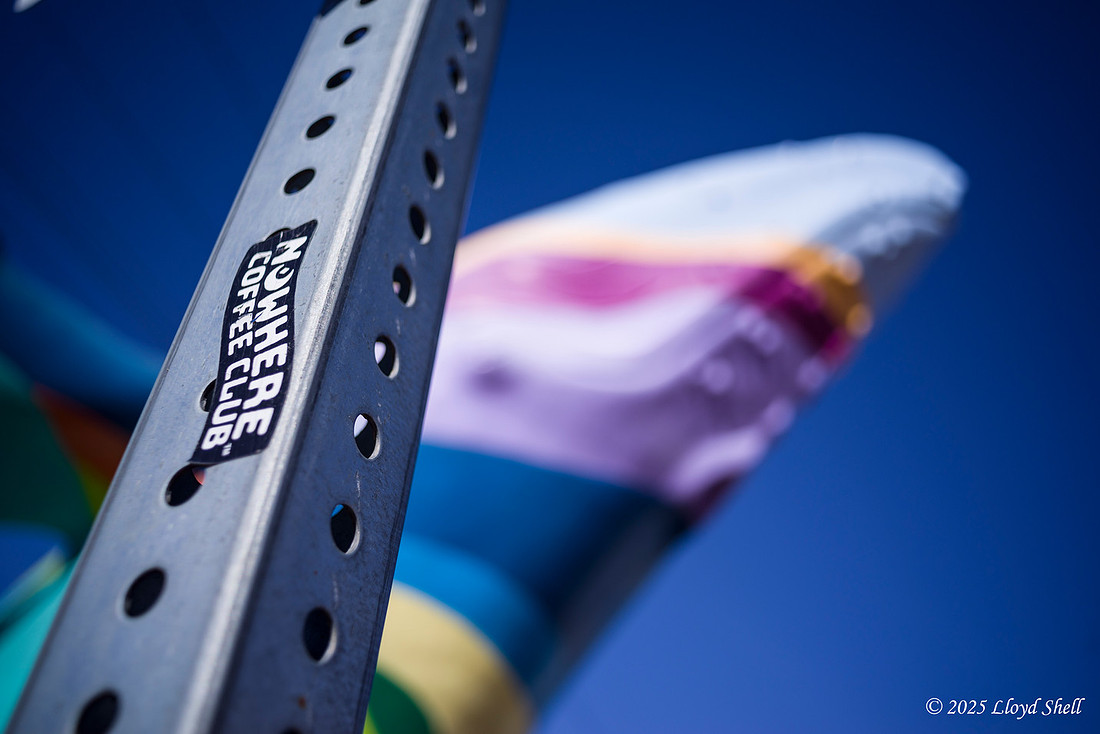
This was stopped down for greater depth of field compared with wide open like the photo above. I think wide open you can achieve adequate subject isolation.
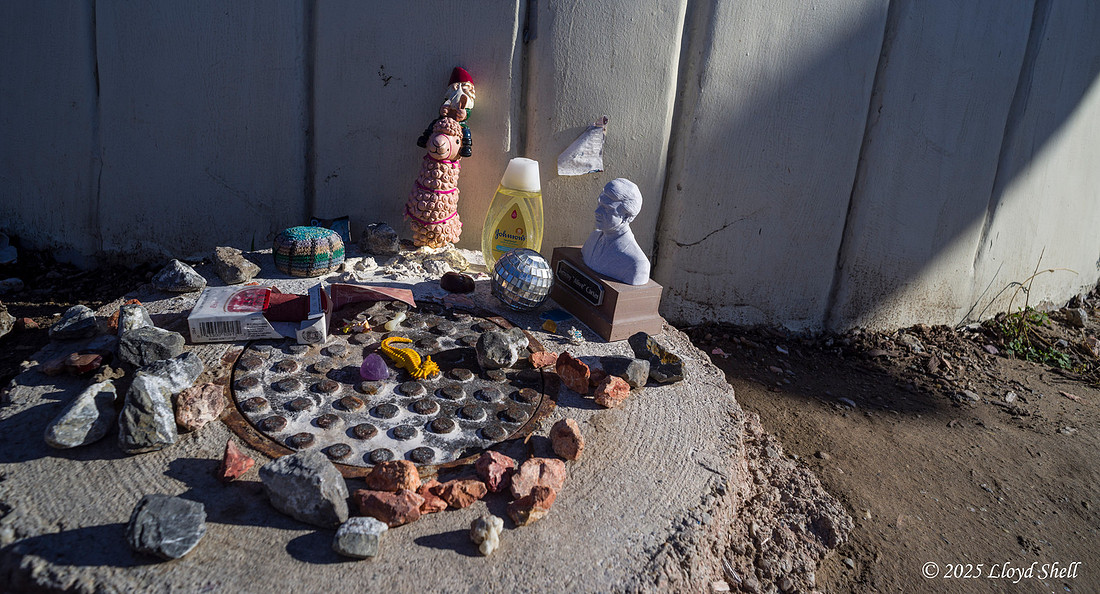
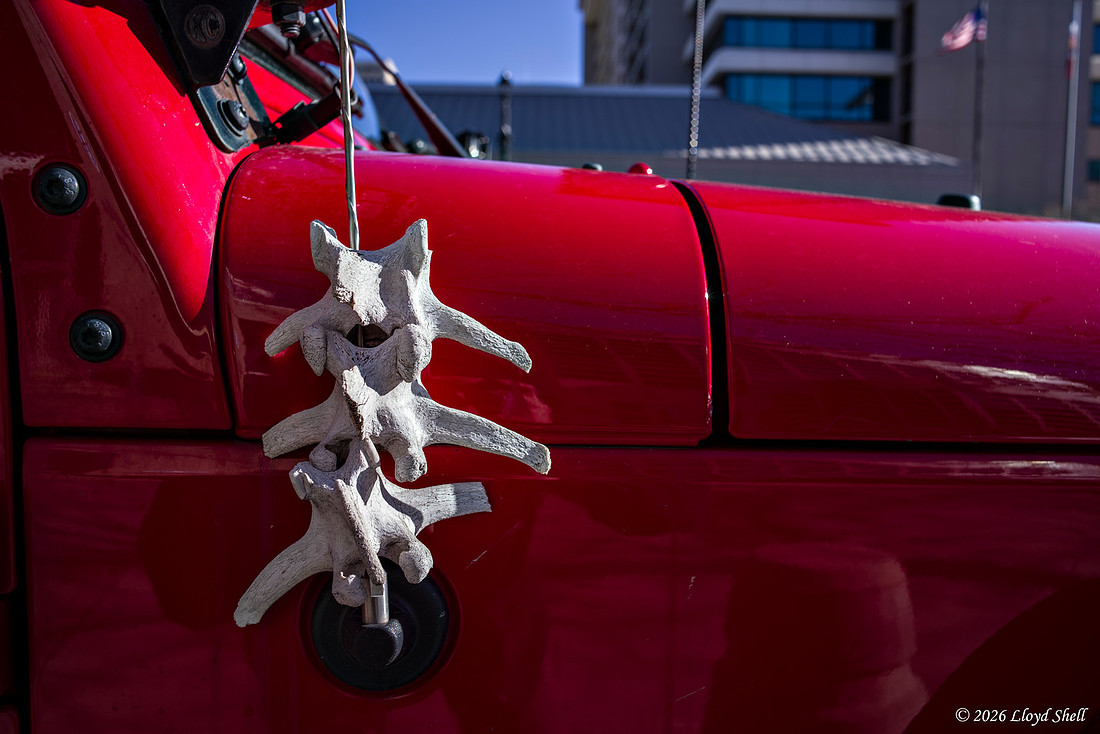
Exactly the purpose of this like shrine is I cannot say.
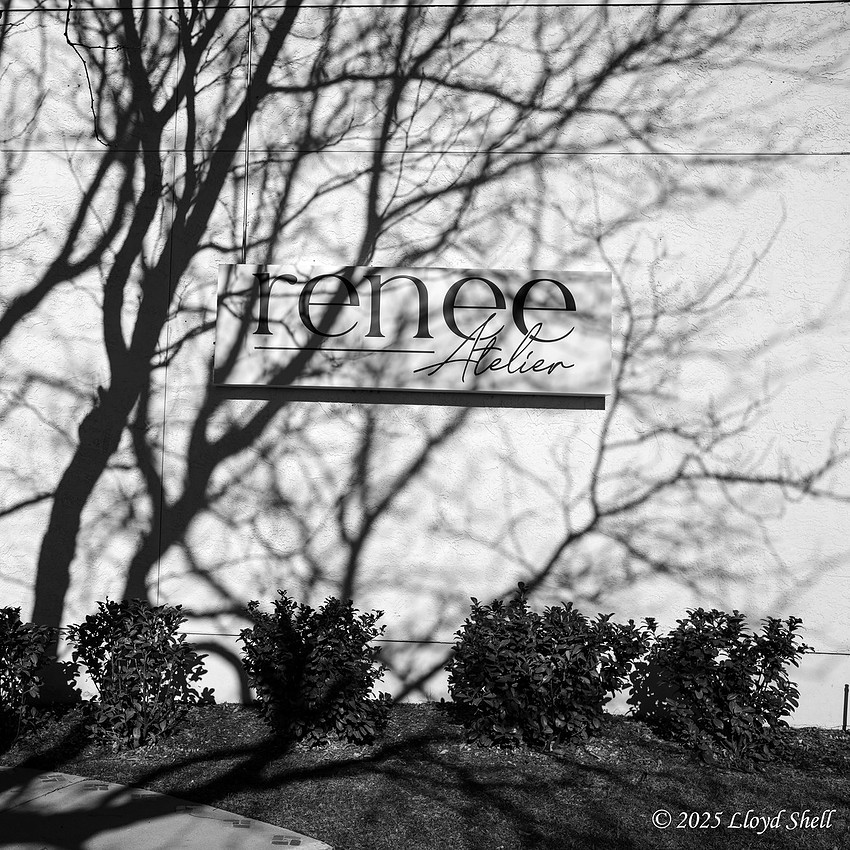
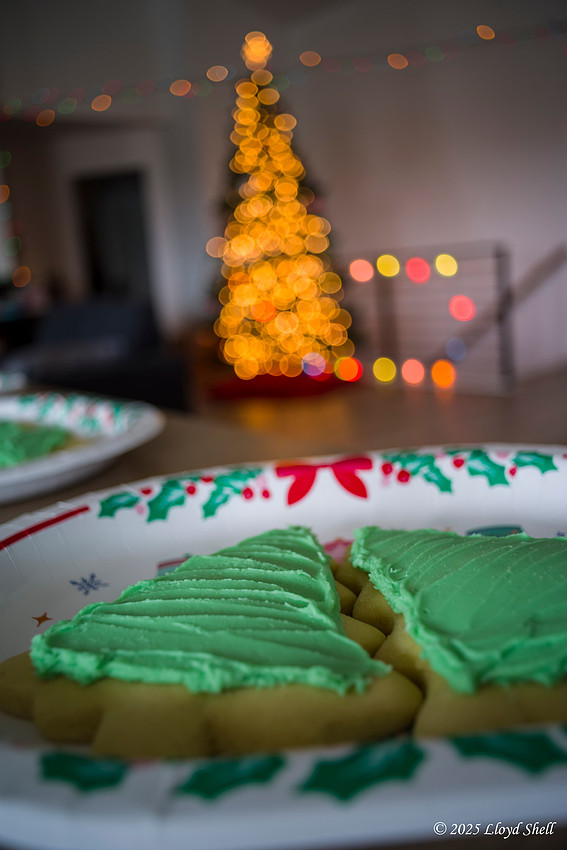

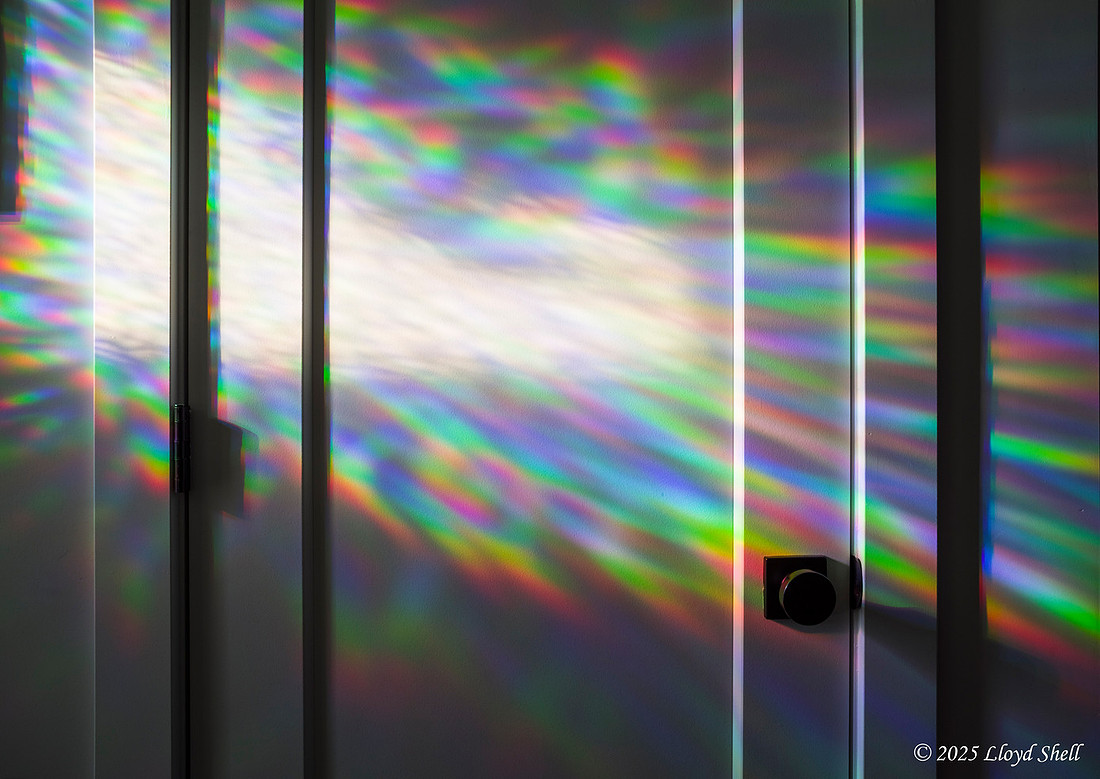
The privacy film on our front door provides an amazing effect in the afternoons.
28mm can be a handy focal length, wide enough to bring in context without being overly wide, leaving opportunity for cropping to the optimal ratio when needed.
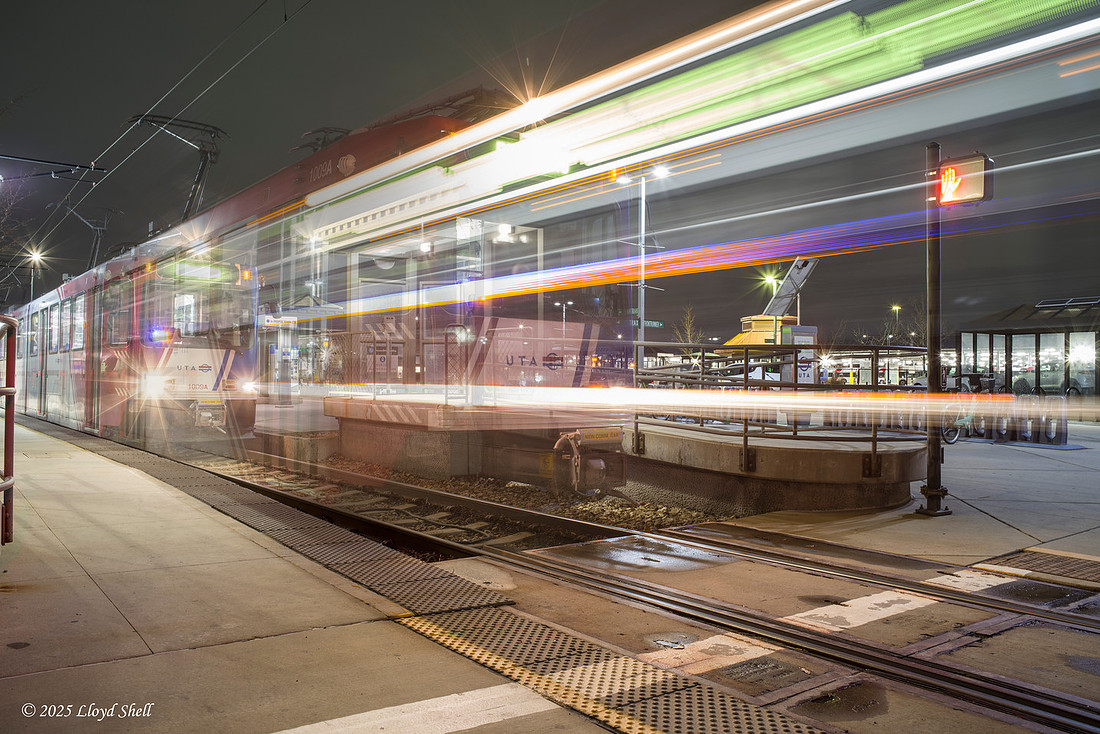
This is a composite of two photos taken from the same spot, there was too much light for a single long exposure to capture the full movement of the train.
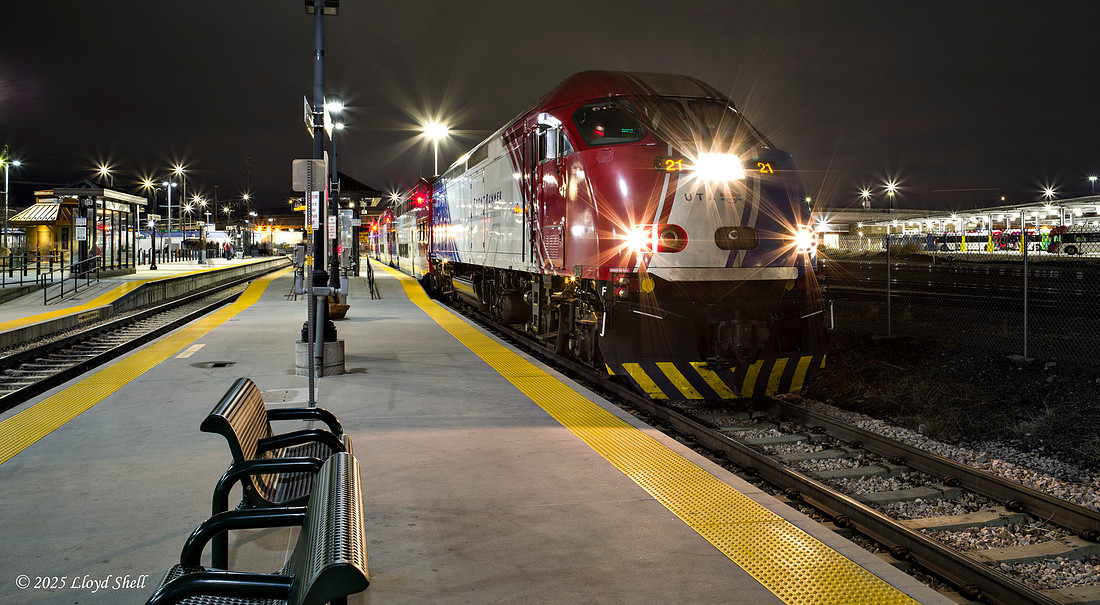
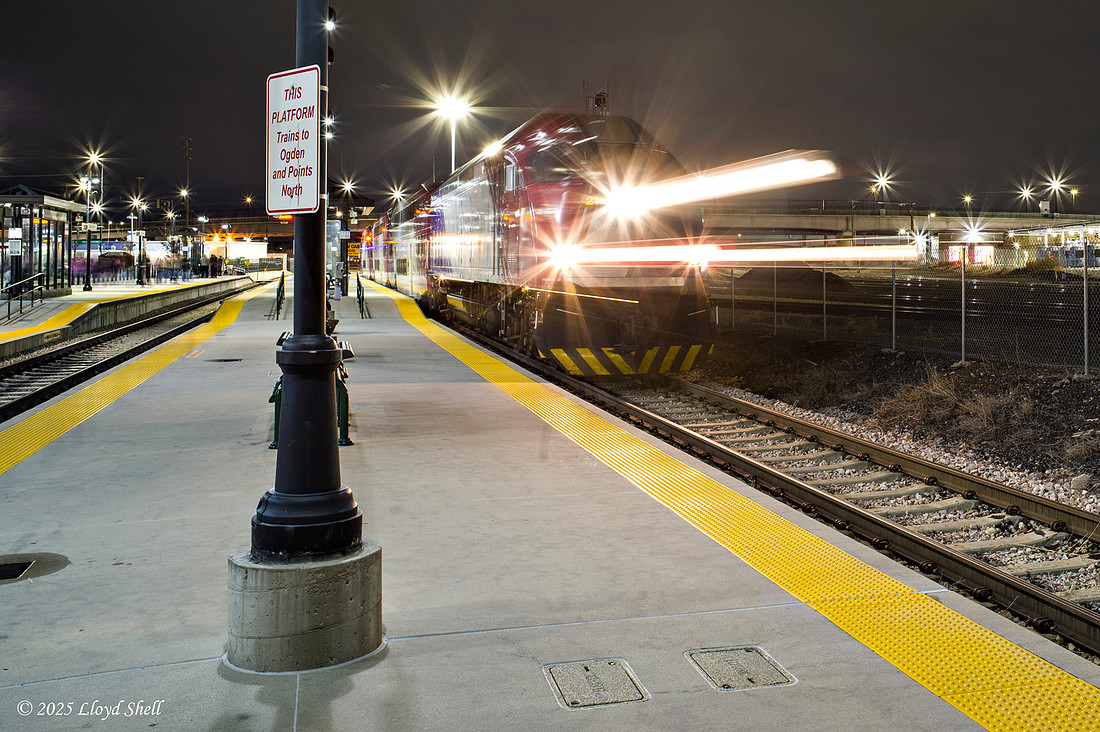
I solemnly declare that I do love taking photos of trains.
I was playing with hyperfocal distances, where you stop down the lens to f8 and put the focusing ring on the indicated spot on the scale allowing for 'Adequate depth of field", I found it unsatisfactory, upon close examination this photo is not critically sharp in the way I like mine to be. The composition is fun though. The 28mm FOV is wide enough without being disturbing like some of the wider lenses I have. I will do my 12mm fisheye one day as well as my 15-30 as well.
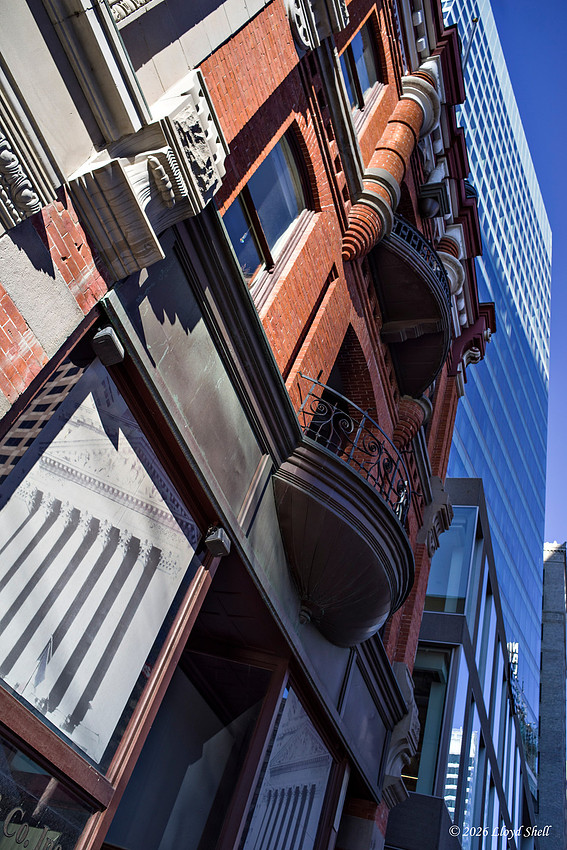
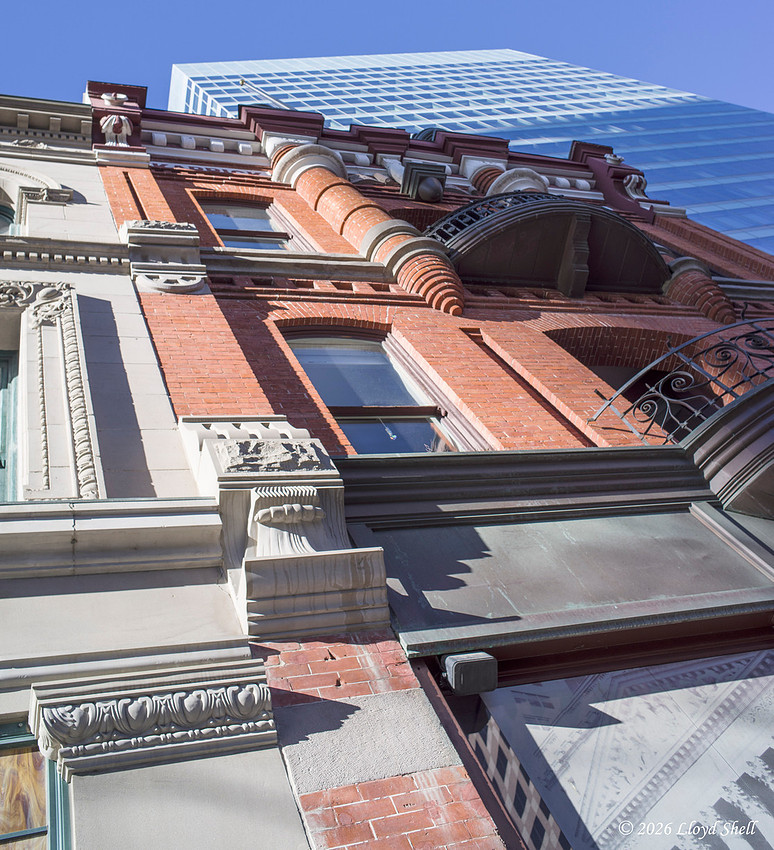
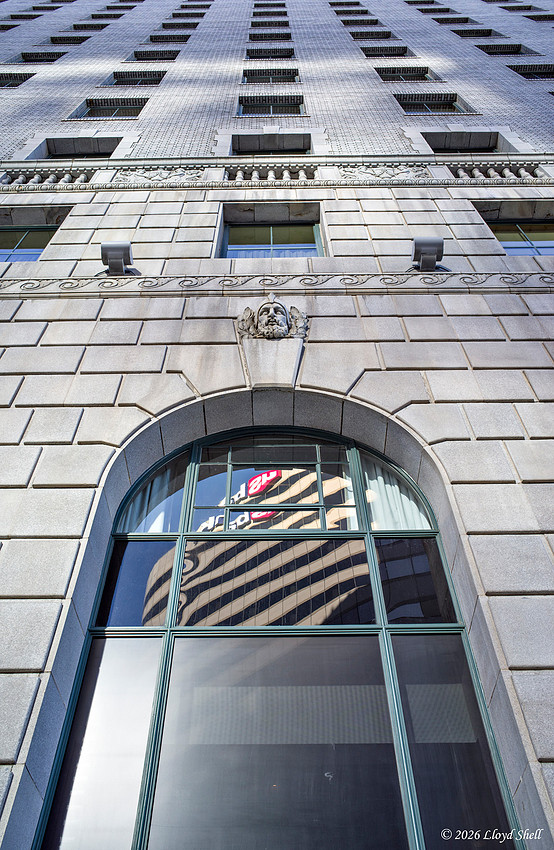
I love these types of photos, but they make me dizzy and are hard to get as you often do not get the camera level and when looking up at that angle the in camera helps are out of their range.
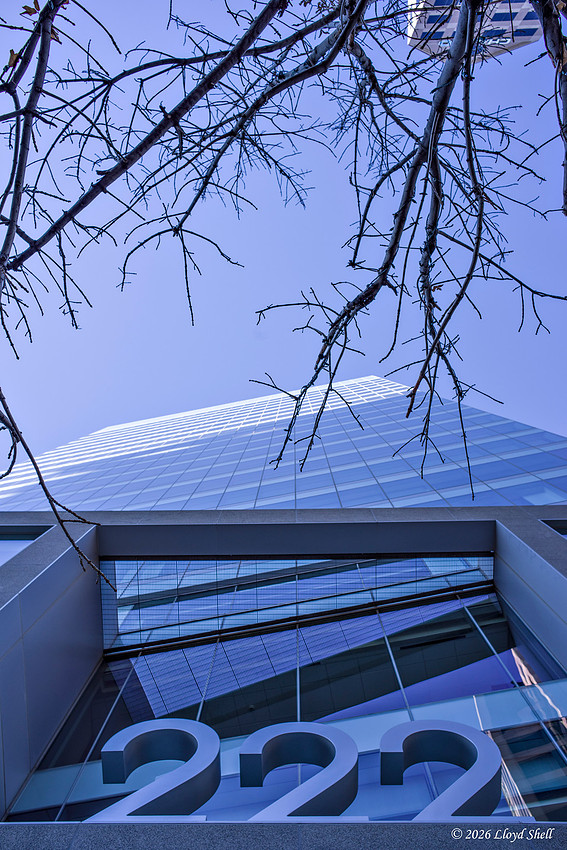
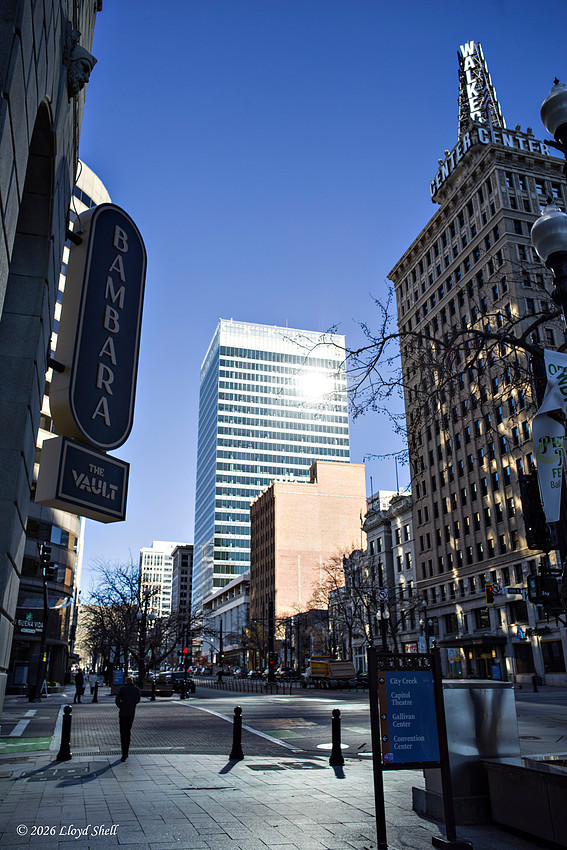
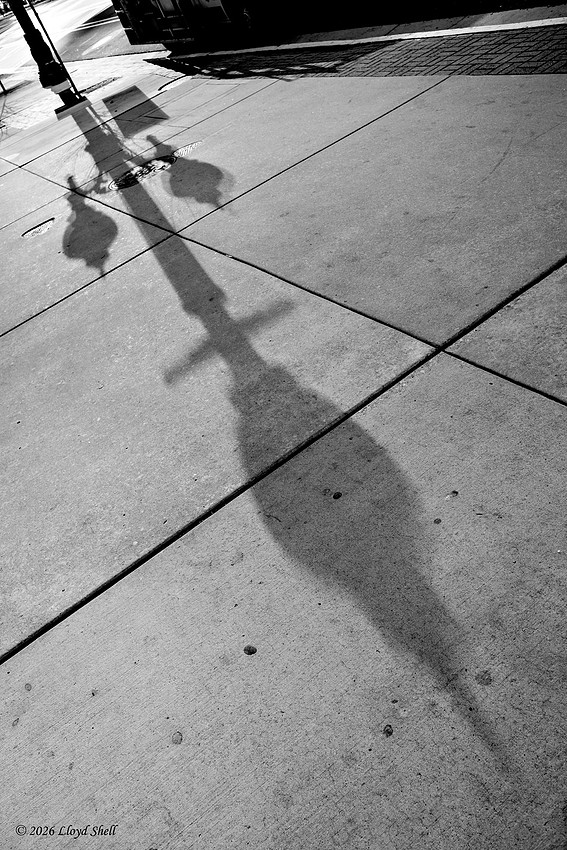
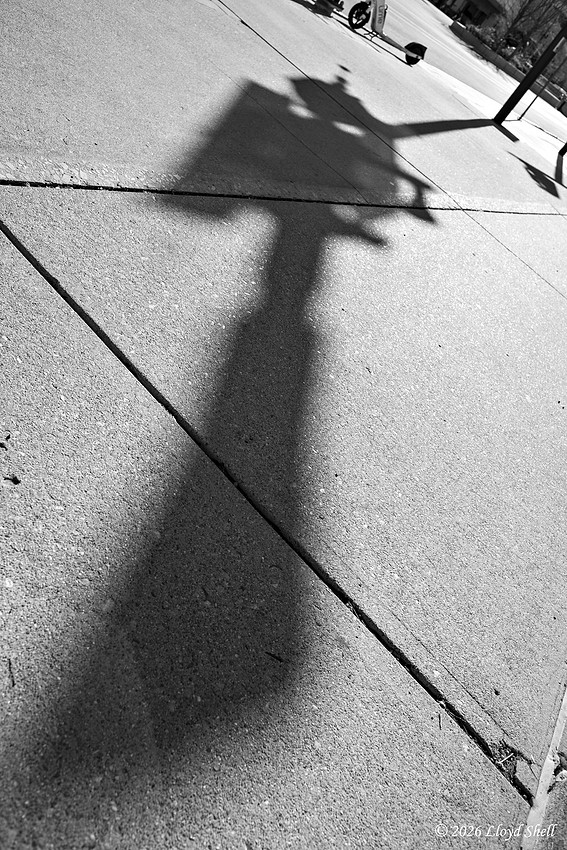
This was the shady side of the street, but was lit by light reflected by mirrored windows. I really like the quality of the light here and that double shadow.
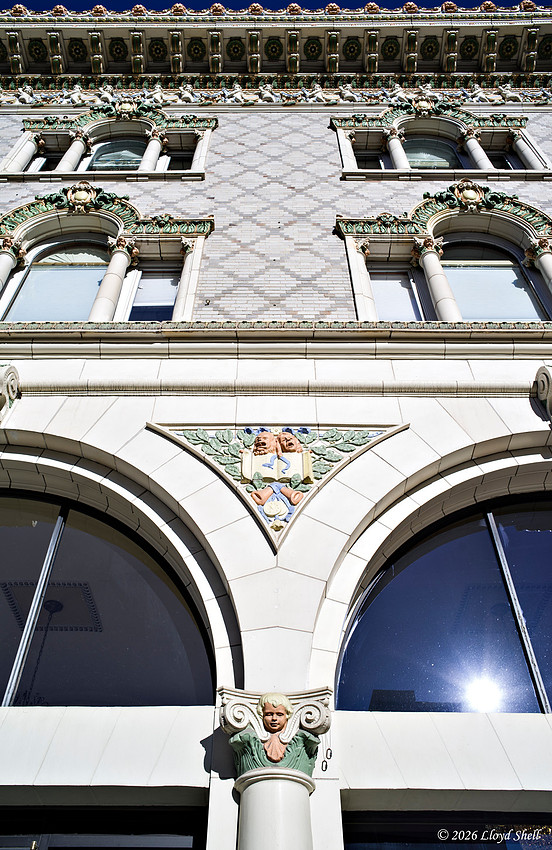
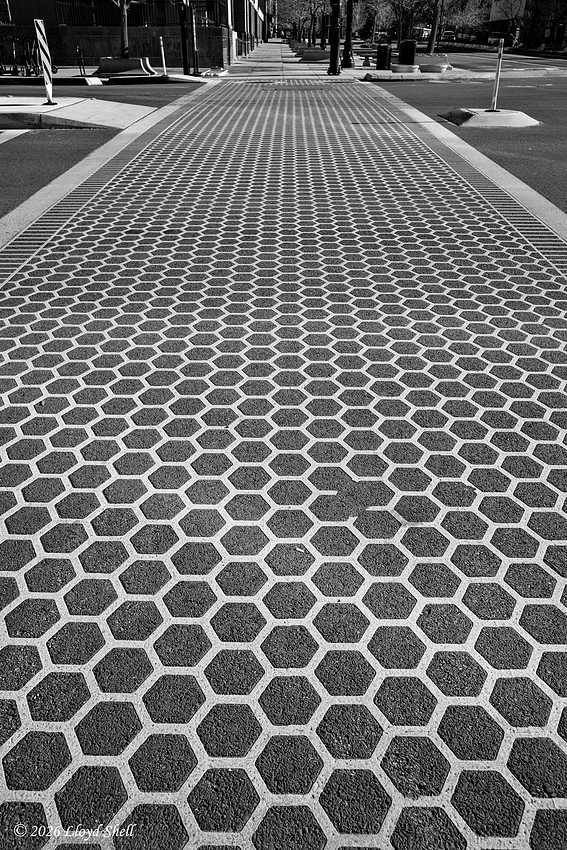
The light was a little harsh here, but I just love the textures.
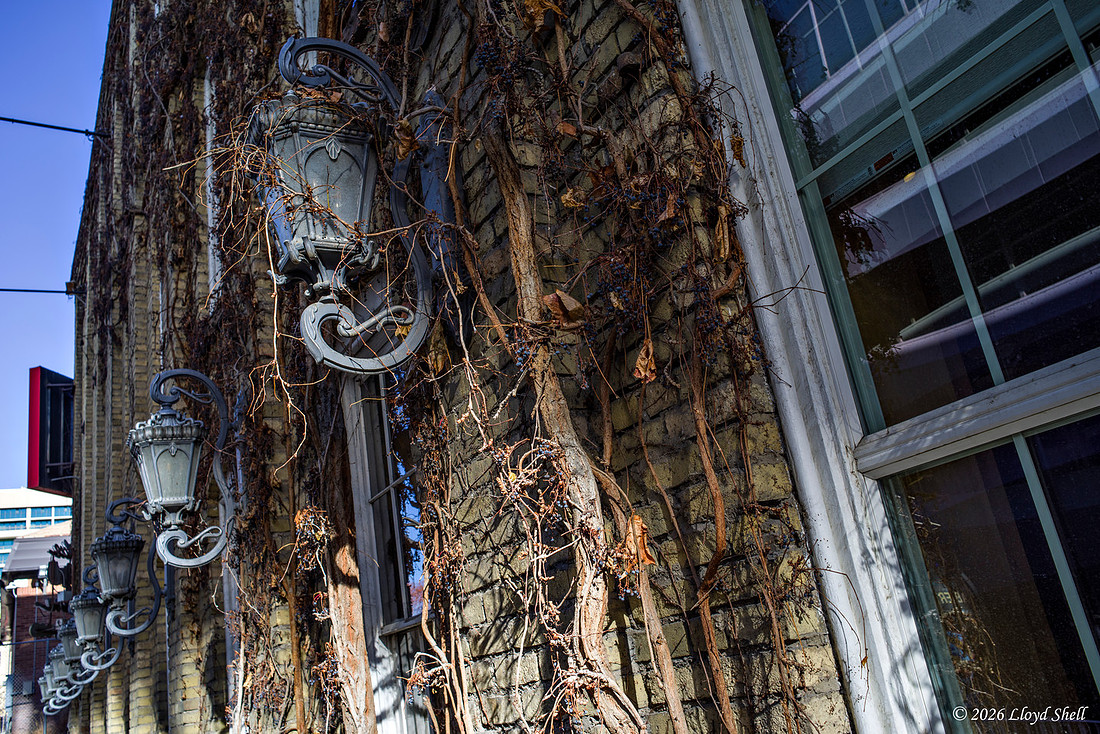
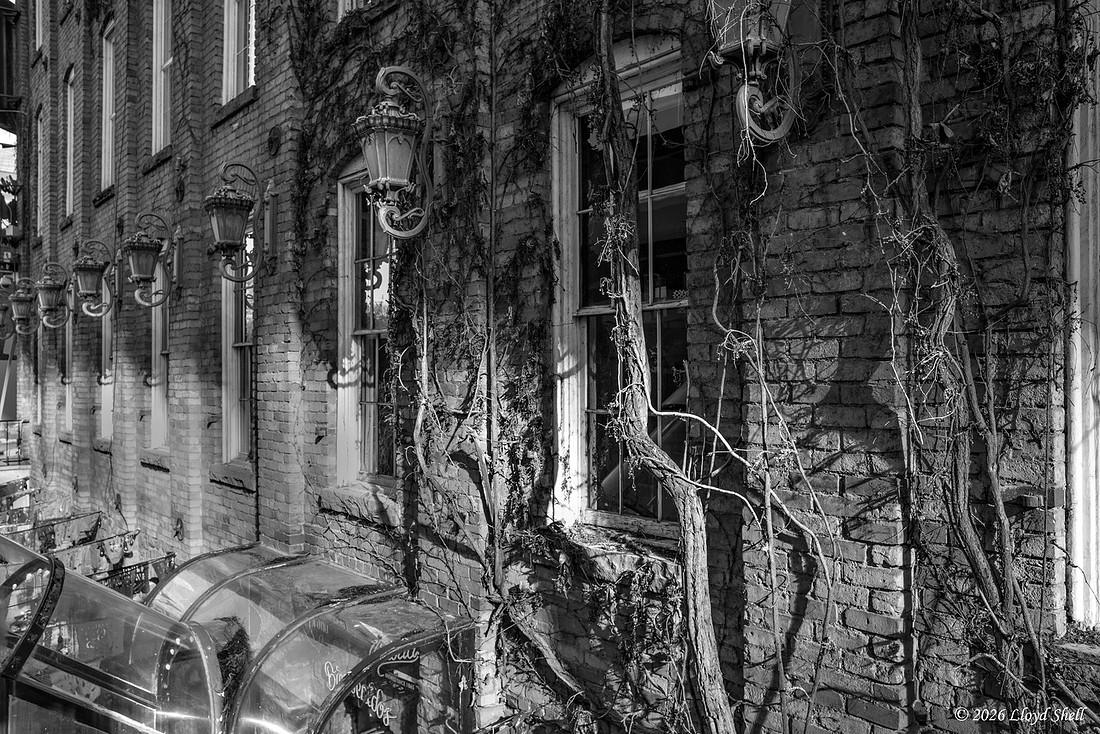
This was my favorite of the day. Monochrome and this lens do well together.
I really want to find a funny self portrait to do here someday.
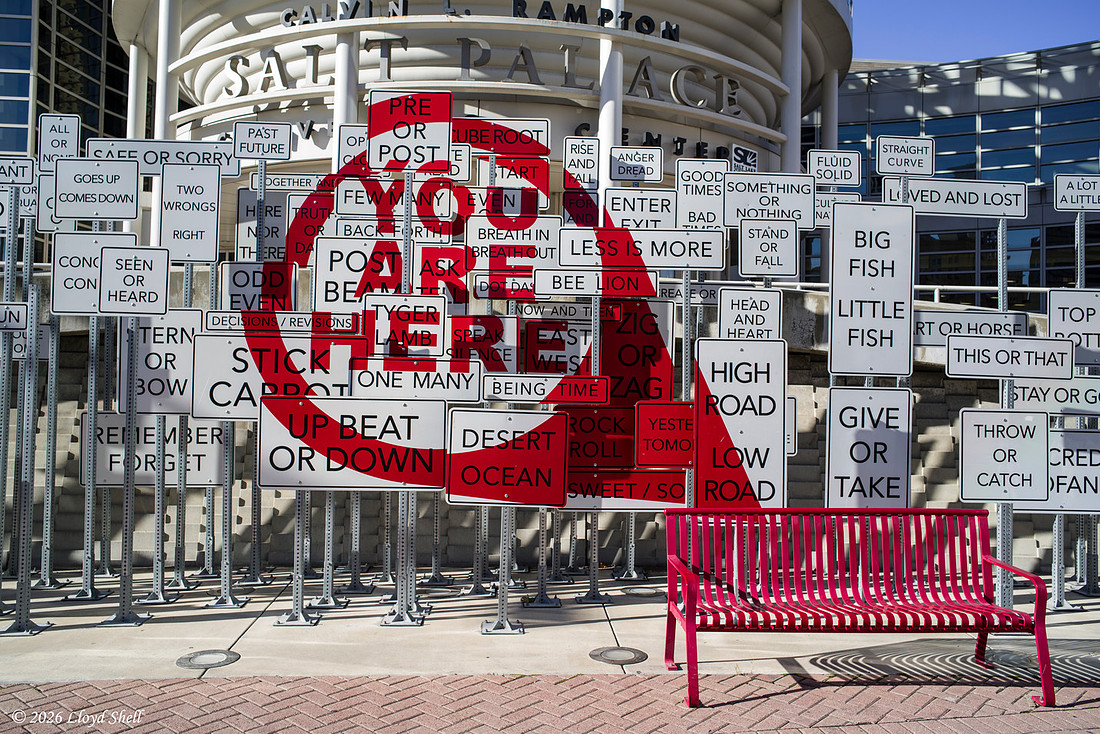
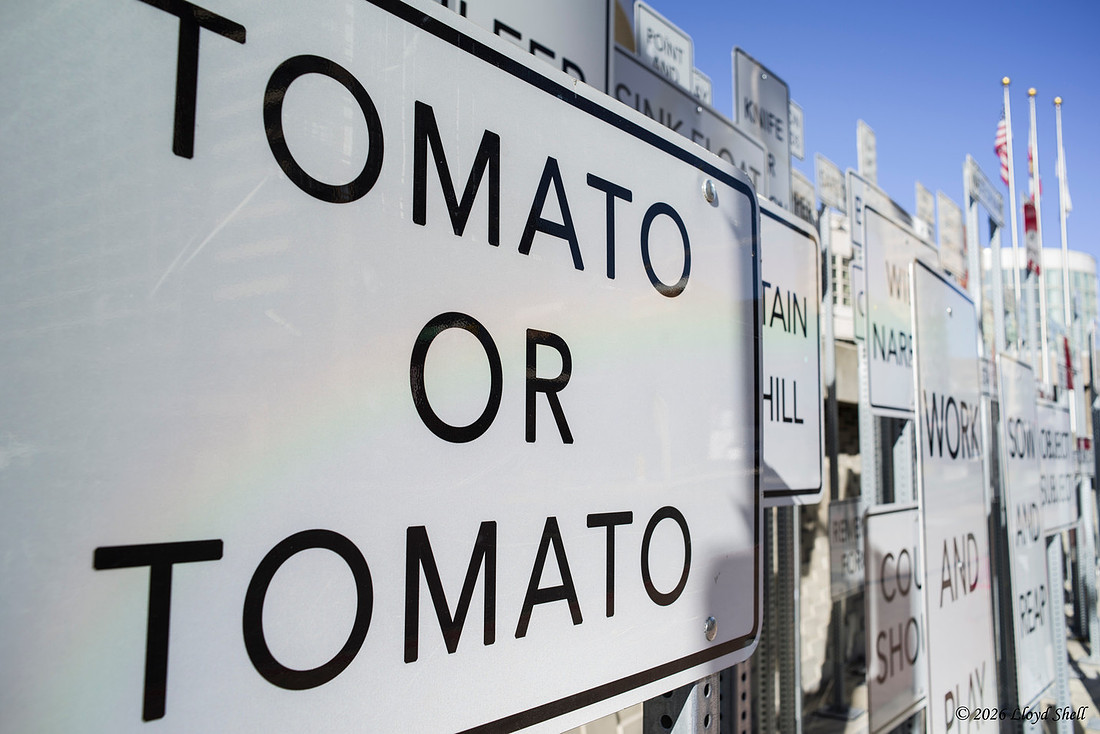
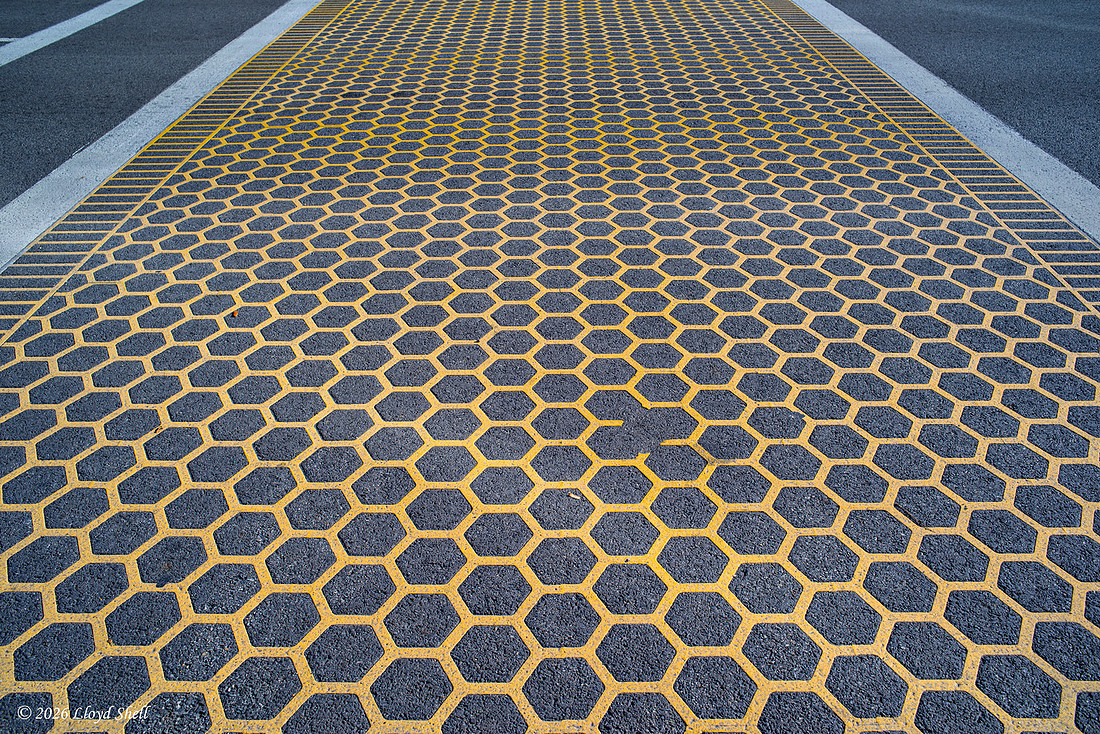
Juuuust wide enough.
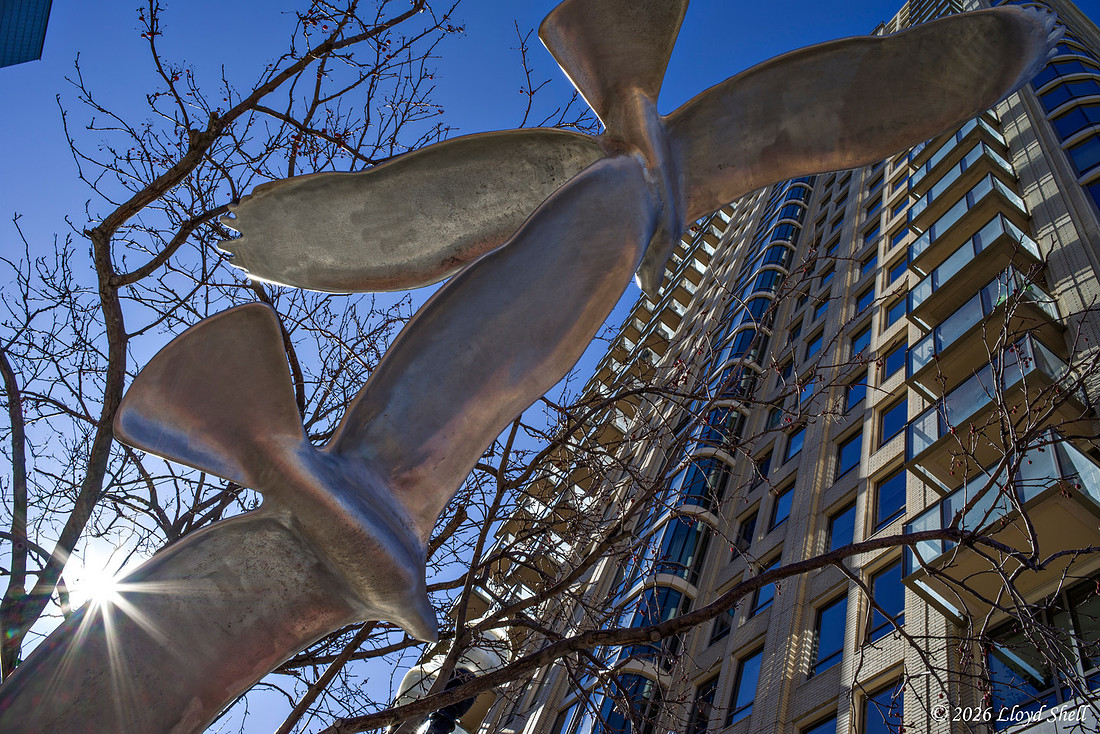
Yeah, this is a good lens in my book. Definitely a keeper... I mean... it already was one I would never part with until I am too old to take photos. But still, it is a good one!